


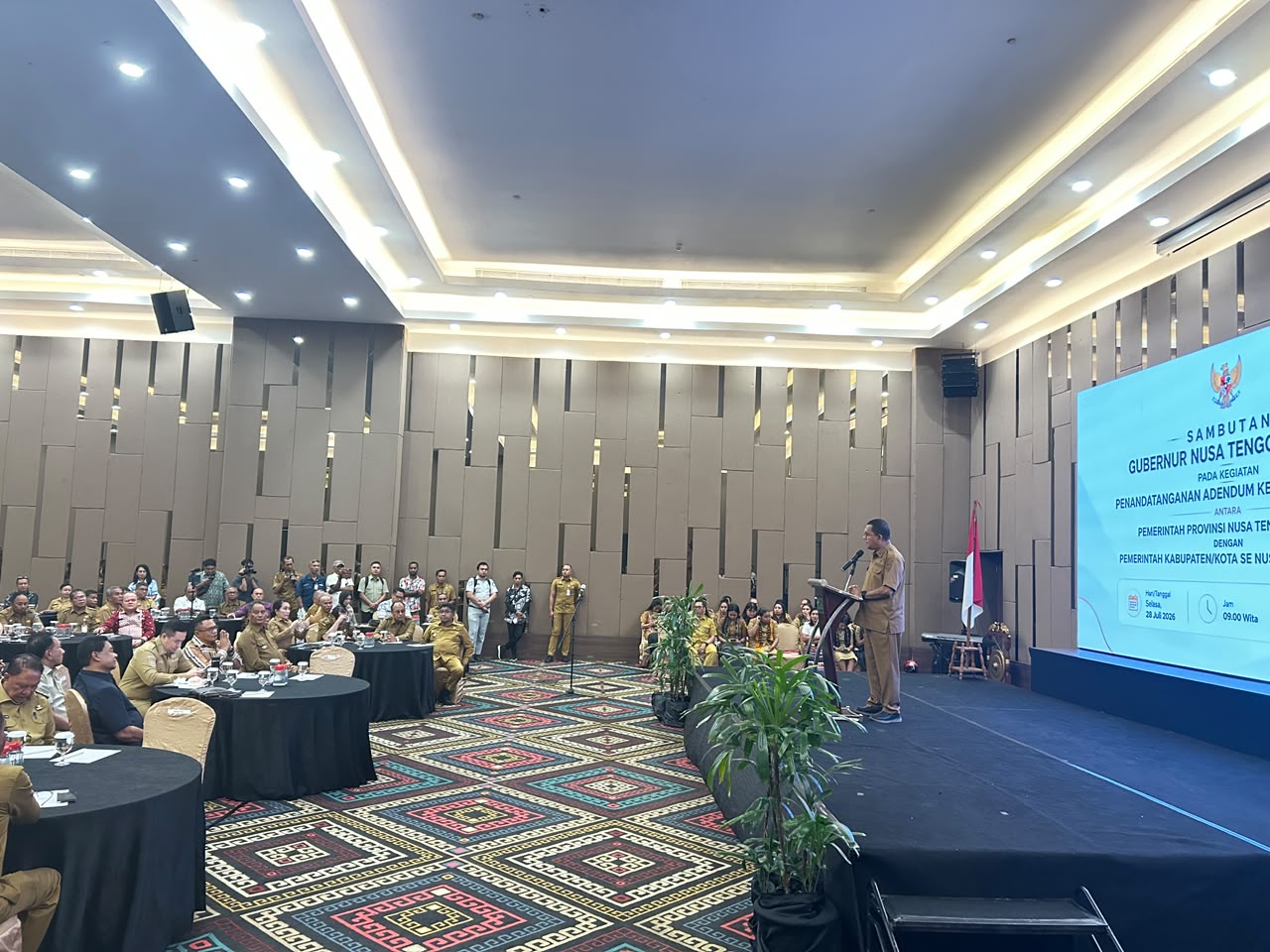
The NTT Provincial Government, together with 22 regency and city governments, has strengthened collaboration on the optimisation of local taxes through the signing of an Addendum to the Joint Agreement and a Cooperation Agreement in Kupang on 28 July 2026. This addendum refines cooperation on the management of Vehicle Ownership Tax (PKB) and tax options to bring them into line with regulatory developments and reforms in central–local financial relations. With the Vehicle Tax (PKB) compliance rate having reached only 55.35 per cent in 2025, it is hoped that enhanced coordination, data exchange and streamlined services will boost revenue whilst delivering more inclusive fiscal policies—including tax relief for people with disabilities.
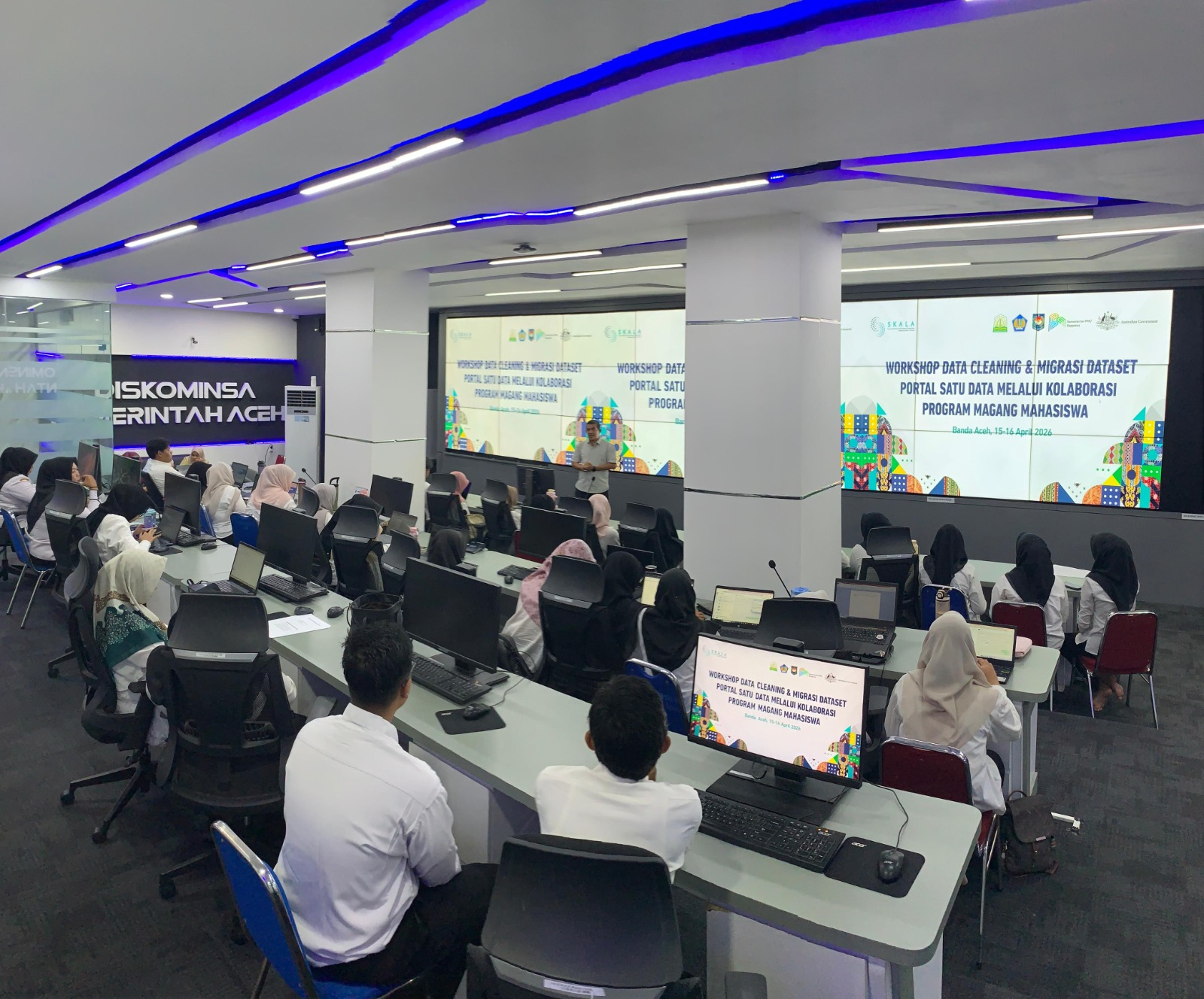
The Aceh Government continues to accelerate the implementation of ‘Satu Data Aceh’ through collaboration with universities in an internship programme entitled ‘Kampus Berdampak’. By June 2026, the contributions of 108 students from Syiah Kuala University and Bina Bangsa Getsempena University—who were involved in the identification, standardisation, cleaning, validation and publication of data—had helped to double the number of datasets on the ‘Satu Data Aceh’ Portal from around 2,000 in January to 4,005 datasets. This collaboration, which receives technical support from the SKALA programme, not only addresses the shortage of human resources in the management of sectoral statistical data but also serves as a ‘learning by doing’ opportunity for students, whilst laying the foundations for more responsive regional development based on high-quality data.
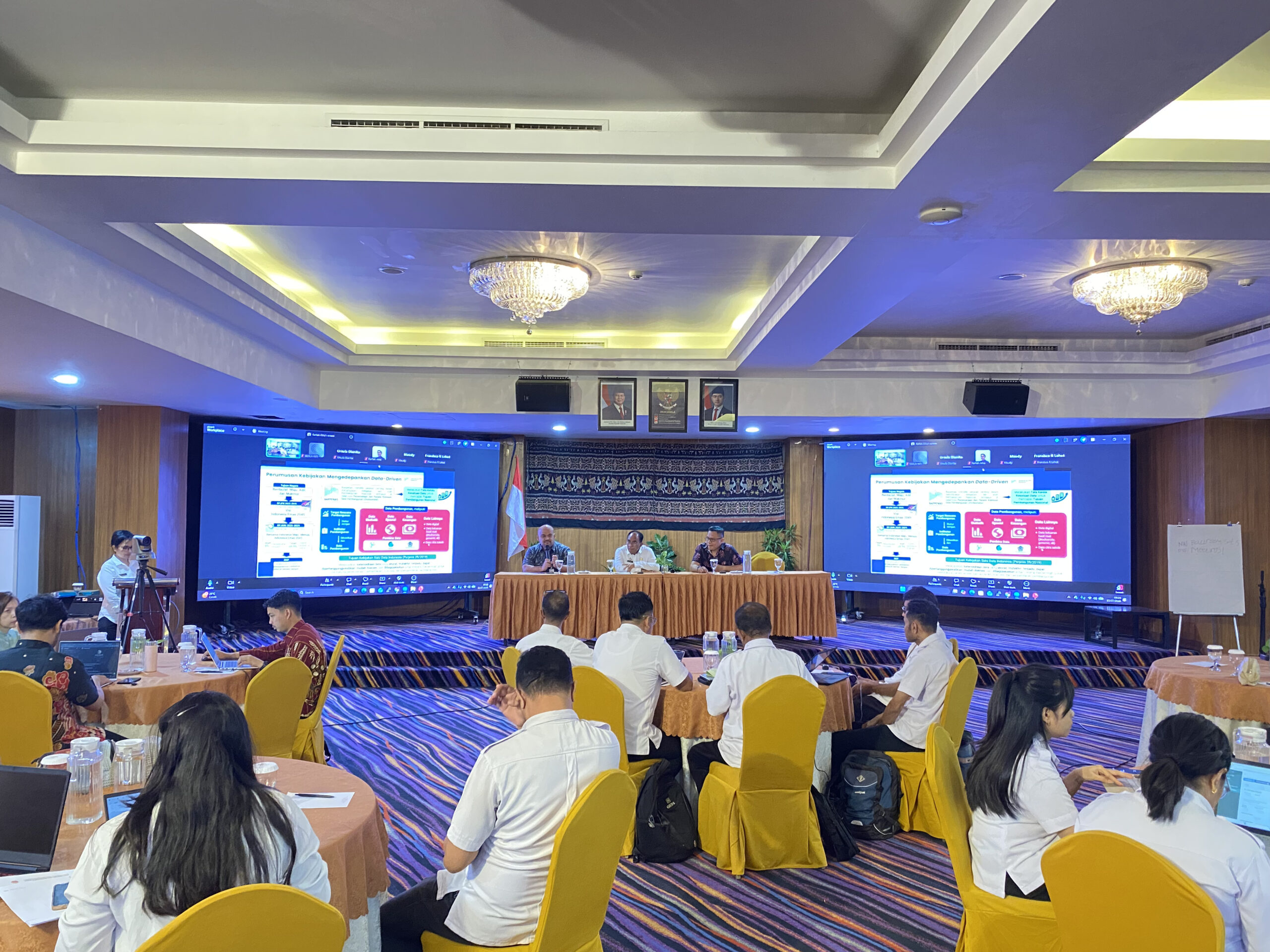
The East Nusa Tenggara Provincial Government continues to strengthen the governance of the National Single Social and Economic Data System (DTSEN) through a workshop on the processing and utilisation of DTSEN, held on 15–16 July 2026 in Kupang. This event, which involved various local government organisations, aimed to build a shared understanding of the governance of accurate, up-to-date and accountable data as the foundation for evidence-based development planning. The workshop also produced a draft Standard Operating Procedure (SOP) for the Utilisation of DTSEN, which will serve as a guideline for local government agencies in accessing, processing and safeguarding data—in line with NTT’s efforts to build a transparent and targeted regional development data ecosystem, with the support of the SKALA Program.
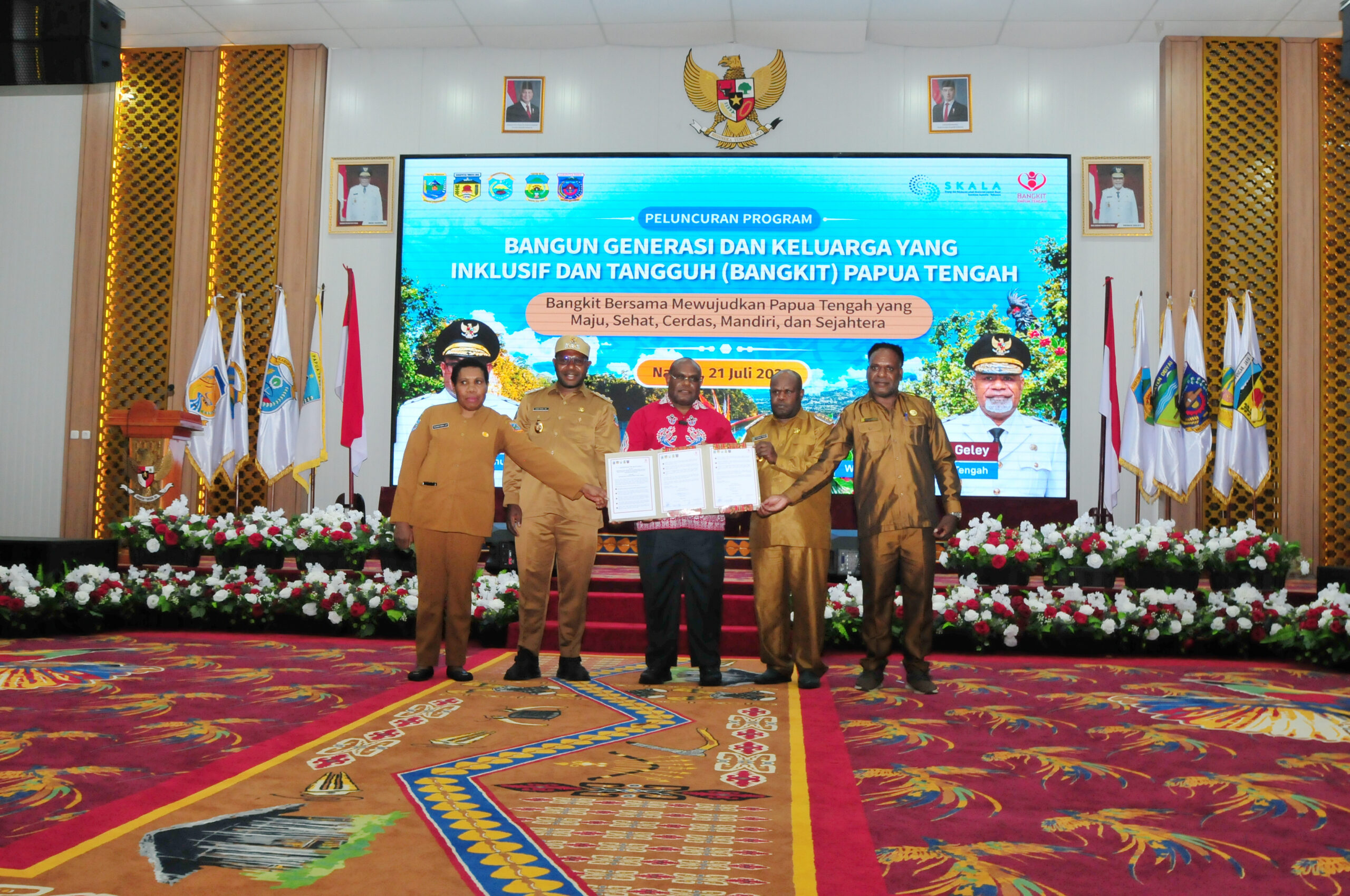
The Papua Tengah Provincial Government launched the BANGKIT Program (Building an Inclusive and Resilient Generation and Family) in Nabire on 21 July 2026 to strengthen social protection for indigenous Papuan children under the age of five. Through cash assistance from the Special Autonomy Fund, the programme targets around 1,000 children across four regencies in its initial phase and utilises the National Single Social and Economic Database (DTSEN) to ensure accurate targeting. Supported by SKALA, BANGKIT prioritises the well-being of young children as a long-term investment in human resource development in Papua Tengah.
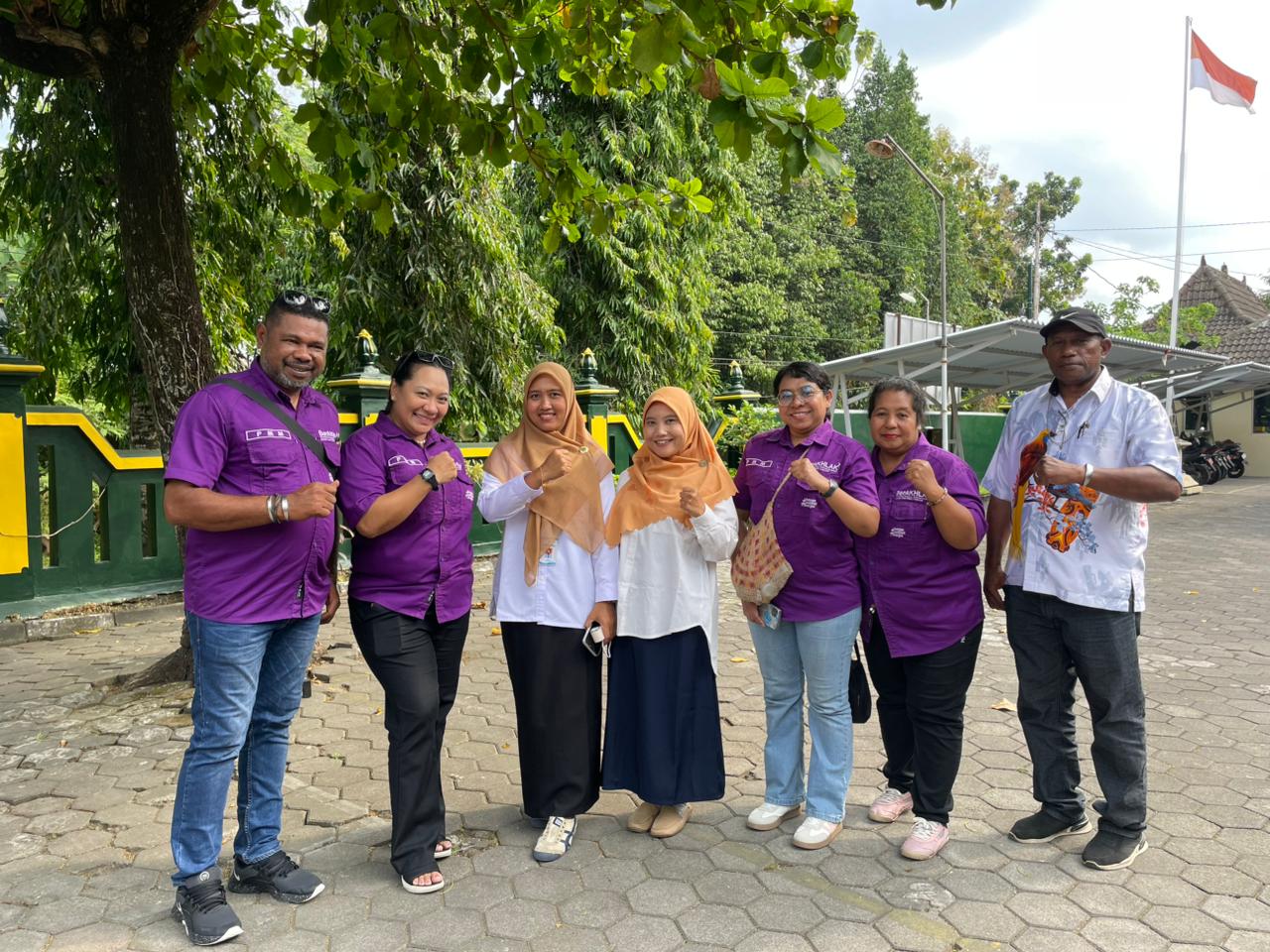
Upon returning from a study visit to Yogyakarta to observe, replicate and adapt best practices, the Papua Barat Provincial Government followed up on what it had learnt by forming a Gender Mainstreaming (PUG) Coaching Team. Following a coordination meeting in Manokwari on 12 June 2026, it was agreed that this team would operate under the coordination of Bapperida, involving DP3AKB, BPKAD and the Inspectorate. Going forward, the Support Team will assist OPDs in drafting gender-responsive RAD-PKG and KAK documents, ensuring the use of disaggregated data, and evaluating the benefits of programmes for all community groups.
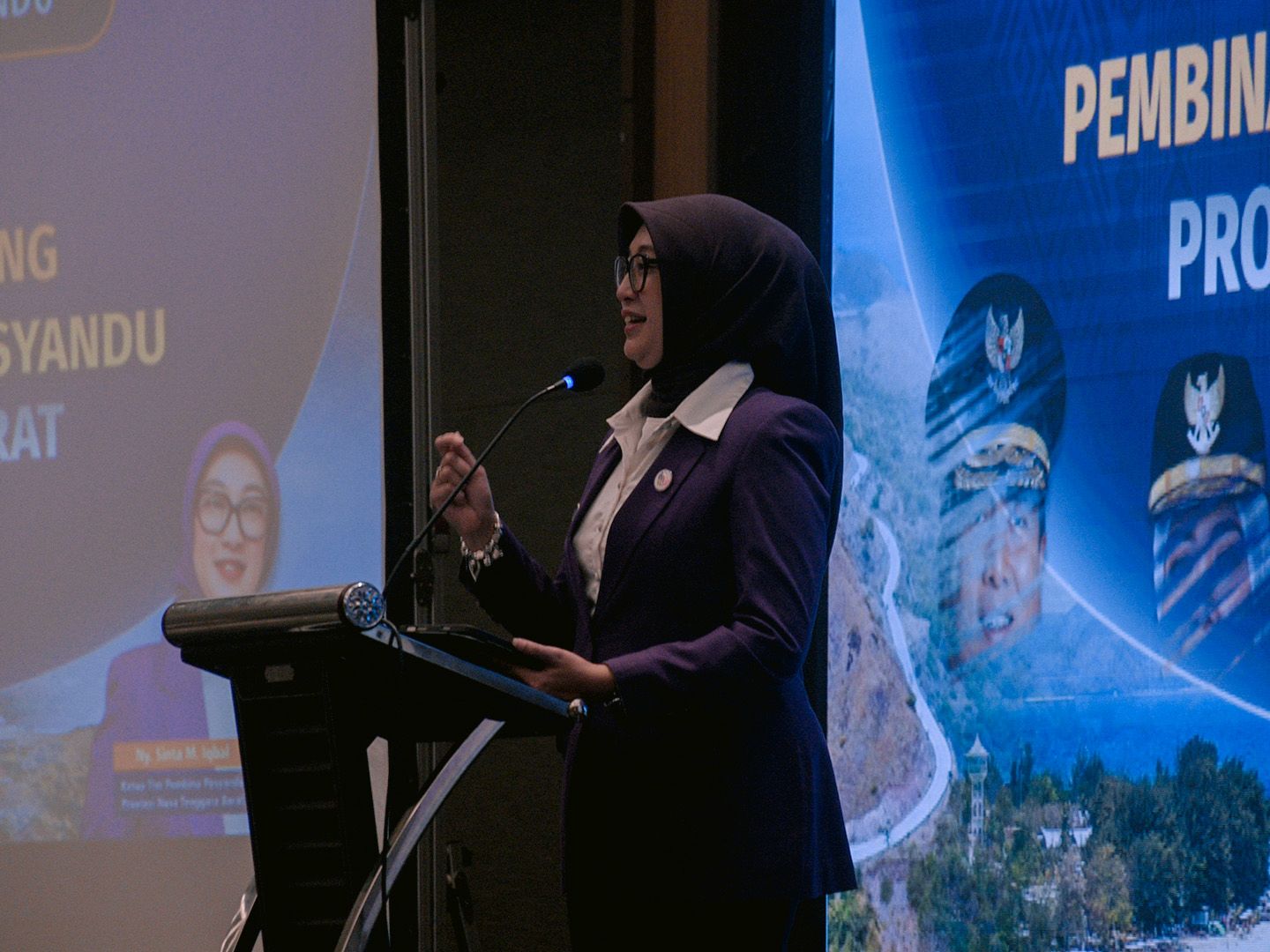
The NTB Provincial Government has issued Governor’s Regulation No. 11 of 2026 on the Guidance and Supervision of Posyandu to strengthen the links between Posyandus and the local government bodies responsible for the six areas covered by the Minimum Service Standards (SPM). With a broader mandate, Posyandu cadres not only provide maternal and child health services but can also identify community needs relating to education, adequate housing, clean water and social protection, and then refer these to the relevant local government agencies for follow-up. This regulation was disseminated in Mataram on 7 July 2026 with the support of the SKALA Program.
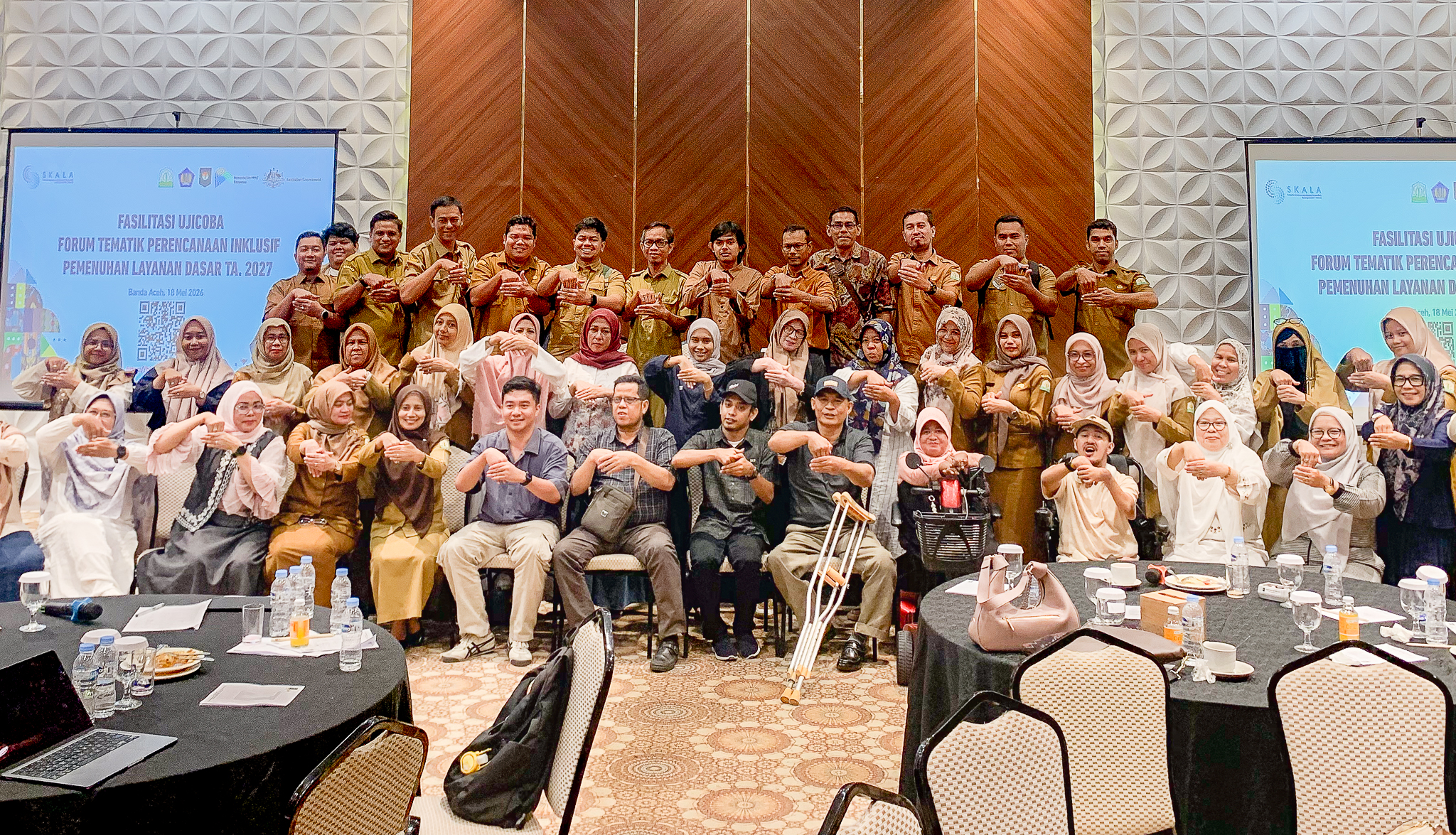
The Aceh Provincial Government organised the Thematic Forum on Inclusive Planning for the Provision of Basic Services for the 2027 Financial Year as part of the implementation of Aceh Governor’s Regulation No. 12 of 2025 on Community Participation in Development. The forum, which brought together 23 Aceh Government Units (SKPA), 24 Civil Society Organisations (CSOs) and 8 Organisations of Persons with Disabilities (OPDIS), served as a space for equal dialogue to ensure that citizens’ aspirations—particularly those of vulnerable groups—are incorporated into the 2027 Provincial Development Plan (RKPA). In addition to gathering proposals in the areas of social welfare, education, the economy and disability-friendly public facilities, the forum also served as a testing ground for the draft technical guidelines on public participation currently being drawn up by the Aceh Government, with support from SKALA.
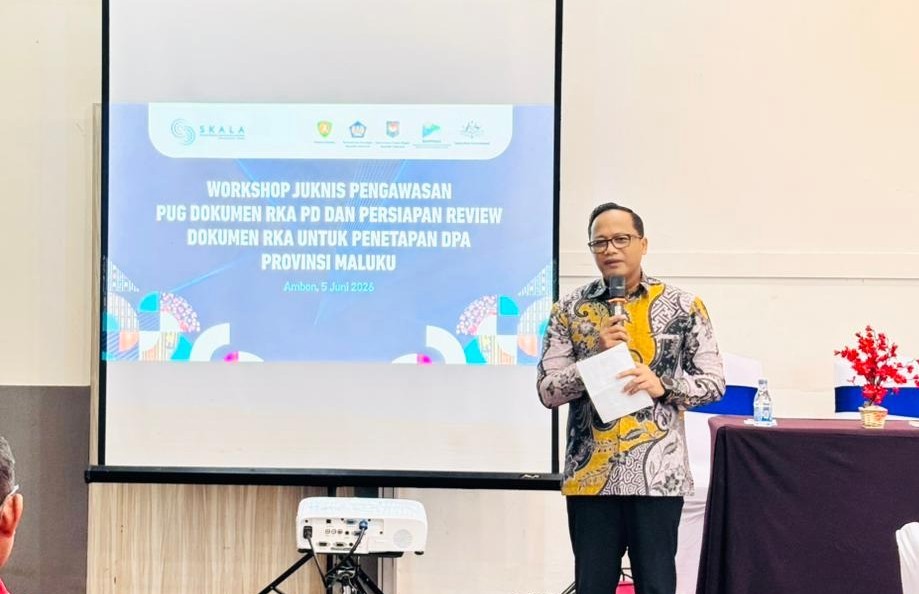
The Maluku Provincial Government is strengthening the implementation of Gender Mainstreaming (PUG) through a study visit to Yogyakarta in February 2026, facilitated by the Directorate of KPPA at the Ministry of National Development Planning/Bappenas with support from SKALA. Armed with Regional Regulation No. 7 of 2024, Maluku has drawn practical lessons from the Special Region of Yogyakarta regarding regulatory consistency, the utilisation of the Sengguh System and disaggregated data, as well as monitoring mechanisms based on quarterly performance reports. These lessons have now been translated into concrete actions—ranging from a Coordination Workshop for the PUG Technical Team to the drafting of technical guidelines on PUG oversight for the Inspectorate—to ensure that gender-responsive planning and budgeting are consistently implemented across all regional government agencies and support the Third Mission of Sapta Cipta Lawamena.
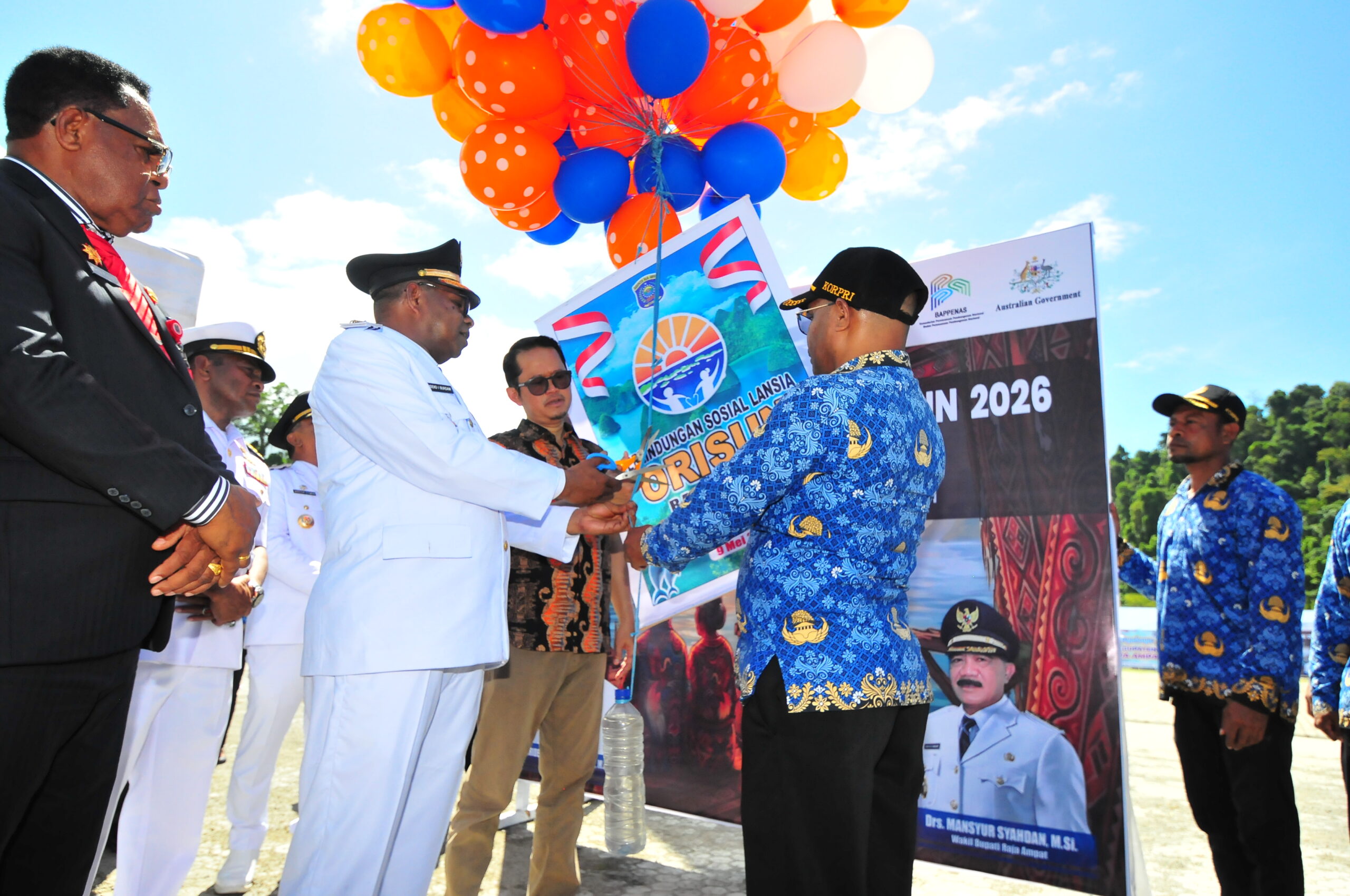
The Raja Ampat Government has launched the ORISUN Programme (Raja Ampat People Living in Prosperity in Their Golden Years), a social protection initiative for indigenous Papuans aged 65 and over, designed using a data-driven approach. Launched by Orideko Iriano Burdam during the 23rd anniversary celebrations of Raja Ampat Regency in Waisai on 9 May 2026, this programme addresses the challenge of ensuring aid reaches the intended beneficiaries in an archipelagic region characterised by limited access to basic services and a high cost of living. With technical support from SKALA through the development of operational technical guidelines and the use of DTSEN, SIOPADA and the SEPAKAT platform, Raja Ampat has established a database of beneficiaries down to village level, ensuring that geographical distance no longer determines the level of protection received by older people.