


North Kalimantan Strengthens Disability Data Governance through Jakarta Learning Exchange
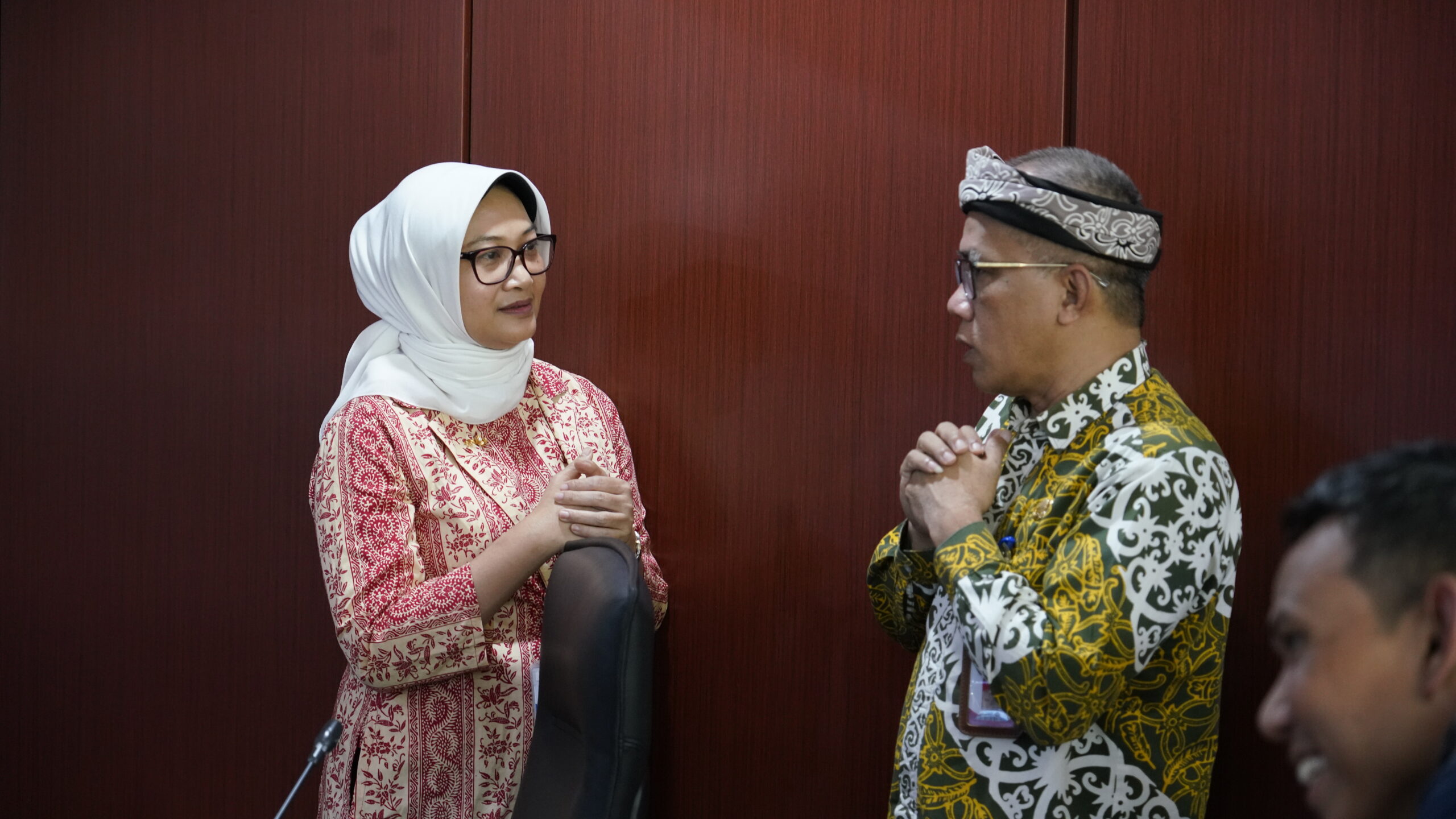
The Kalimantan Utara (Kaltara) Provincial Government is continuing to strengthen its data governance to better support people with disability through more targeted and inclusive policies and services.
As part of this effort, provincial government representatives travelled to Jakarta recently to learn about governance of the Jakarta Disability Card (Kartu Penyandang Disabilitas Jakarta/KPDJ) and consult with national ministries and agencies on Kaltara’s draft Satu Data (One Data) disability guidelines.
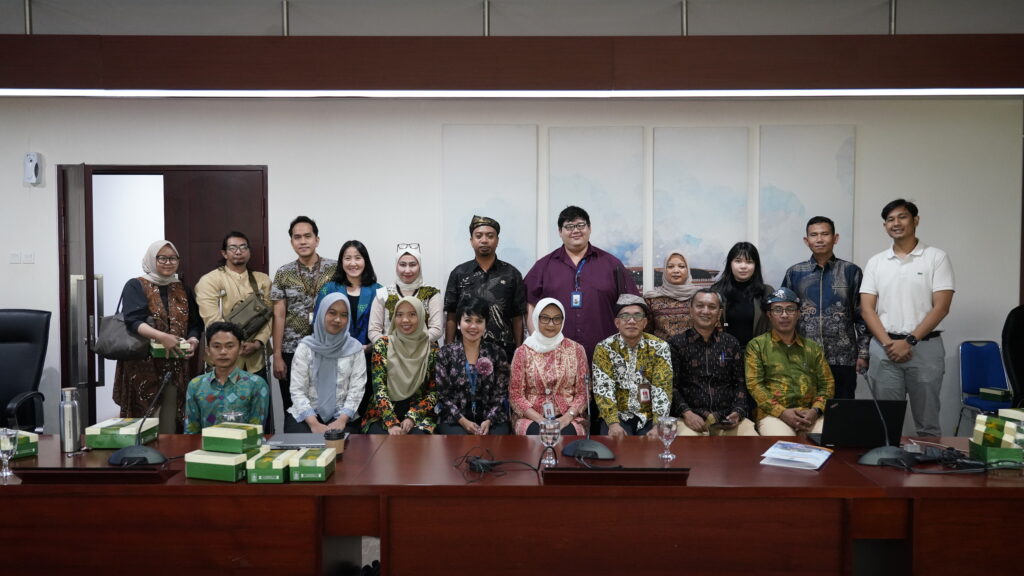
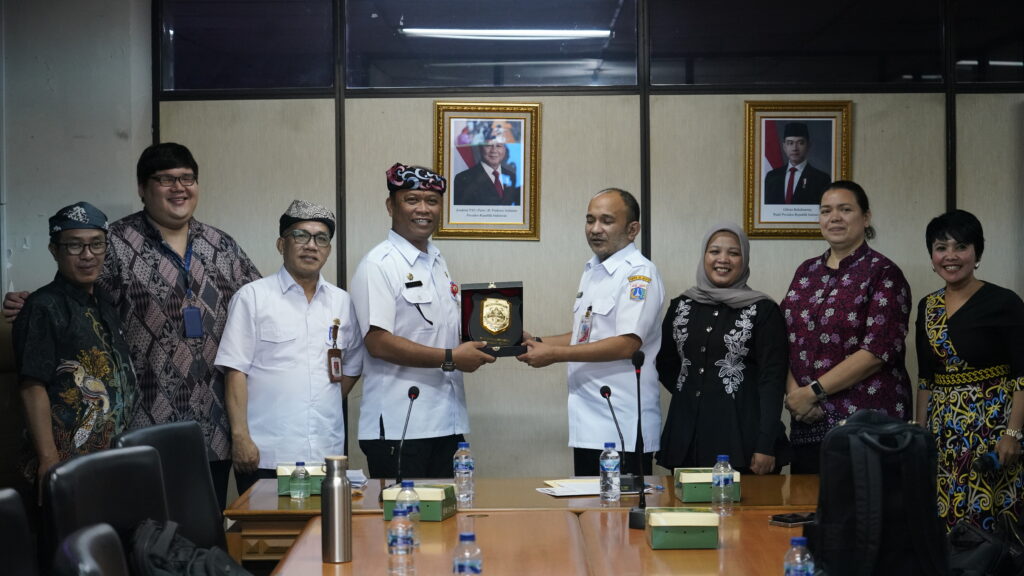
On 12–13 August 2026 the Kaltara delegation discussed disability policy, data management and service delivery with the Jakarta Provincial Government, Ministry of National Development Planning/National Development Planning Agency (Bappenas) and other ministries and institutions.
Kaltara is seeking to establish more standardised and integrated disability data governance aligned with national policies. It is developing its draft guidelines to connect with Indonesia’s Satu Data framework, the National Socioeconomic Single Data (DTSEN) and population administration data.
The Head of the North Kalimantan Regional Development Planning, Research and Innovation Agency (Bapperida), Bertius, emphasised that the enhancement of data and services must ensure people with disability are included in the focus of regional development.
“Therefore, it is not solely the general public such as ourselves, but we must also ensure the wellbeing of our friends and fellow citizens living with disability,” he stated.
Learning from Jakarta’s disability card governance (KPDJ)
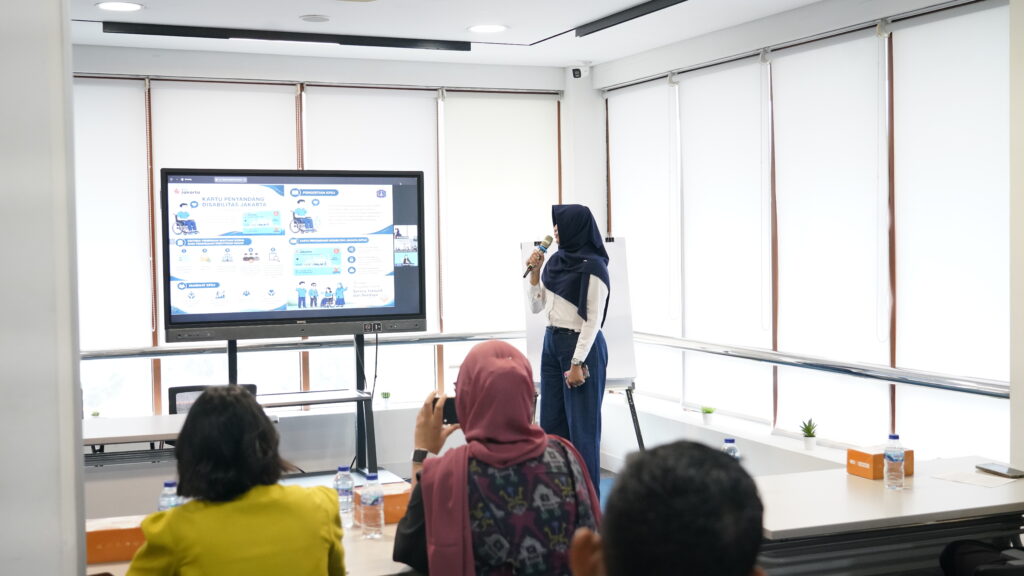
The KPDJ is a social assistance program of the Jakarta Provincial Government to support people with disability to access public services. During the visit, the delegation learned about governance of the KPDJ and the various forms of social assistance provided by the Jakarta Provincial Government through Bank Jakarta.
Within the social assistance ecosystem, Bank Jakarta acts as a strategic partner to the DKI Jakarta Provincial Government, including within the KPDJ, through card issuance, account opening, fund disbursement, as well as distribution and service support for beneficiaries. This role connects social assistance with other services, such as access to public transport and subsidised food, while simultaneously supporting the financial inclusion of vulnerable groups.
The session involved the Jakarta Regional Development Planning Agency, Jakarta Social Affairs Office, Jakarta Communication, Informatics and Statistics Office and Bank Jakarta, among others.
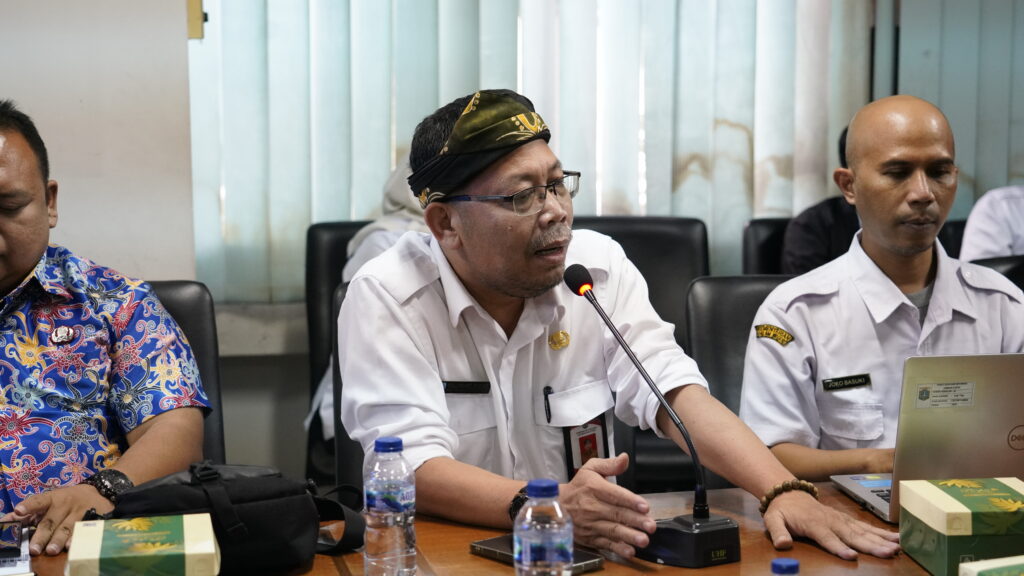
The Acting Assistant for Government and Social Welfare at the North Kalimantan Provincial Secretariat, Sanusi, stated that the visit provided an opportunity for North Kalimantan to study the practices already established in Jakarta.
“We wish to learn exactly how the disability card is being implemented in Jakarta, with the hope that we can eventually apply it in North Kalimantan as well,” he said.
The Kaltara delegation gained insight from the Jakarta Social Affairs Office on the processes for KPDJ data collection, verification and validation, beneficiary determination, and the use of data in program management. The delegation was introduced to KPDJ service management to better understand service processes and how disability data is linked with the delivery of social protection programs.
The lessons from Jakarta provided useful input for Kaltara as it develops its Satu Data disability guidelines, which will serve as a reference for updating disability data and issuing disability service cards.
Consultation with national ministries and agencies
The Kaltara delegation participated in a consultation forum at Bappenas to discuss its draft Satu Data disability guidelines.
At the forum, the delegation presented the draft guidelines and received input from relevant ministries and institutions. All parties discussed data collection mechanisms, data standards and integration; the use of population administration data; links with DTSEN and Satu Data Indonesia; the principles of service delivery and fulfilling the rights of people with disability.
The forum was led by Director for Poverty Alleviation and Social Welfare at Bappenas, Tirta Sutedjo, and included representatives from the Ministry of Social Affairs, Ministry of Health, Ministry of Home Affairs, Coordinating Ministry for Human Development and Cultural Affairs, Statistics Indonesia, National Commission on Disability and the Australia–Indonesia Partnership Towards in Inclusive Society (INKLUSI).
“The development of these [Kaltara] guidelines is important to ensure that disability data collection at the subnational level has a clear reference and can be connected with national data systems,” Ms Sutedjo said.
“Input from various ministries and agencies is expected to strengthen the substance of the guidelines and support better use of data for planning programs and services for people with disabilities,” she added.
Kaltara’s initiative is aligning with national efforts, led by the Ministry of Social Affairs, to introduce a virtual disability card after Government Regulation No. 31 of 2026 on Concessions for People with Disabilities and Incentives for Companies was enacted on 2 July 2026.
Data to support planning and services
For the Kaltara Provincial Government, updating and strengthening disability data governance will generate more accurate information on who requires services, where they live, and what needs should be addressed through government programs.
The data updating process will need clear verification mechanisms and links with different government data sources. Under the proposed approach, DTSEN will be used as the initial data source or pre-list, before field verification is carried out by district and city data collection teams.
Disability data will also need to be verified and validated to ensure it is aligned and kept up to date with population administration data, including the Population Identification Number (NIK).
With these mechanisms in place, Kaltara’s Satu Data disability guidelines will provide a common reference for provincial, district and city governments to collect, update, verify and use disability data.
Lessons from governance of the KPDJ, together with the input from national ministries and institutions, will make an important contribution to refining the Kaltara guidelines.
The activities were supported by SKALA (Sinergi dan Kolaborasi untuk Akselerasi Layanan Dasar), an Australia–Indonesia partnership program, as part of its support for the Kaltara Provincial Government to strengthen data governance and use data for more inclusive planning and basic service delivery.