


Papua Barat Strengthens Inclusive Development with A Regional Action Plan for People with Disability
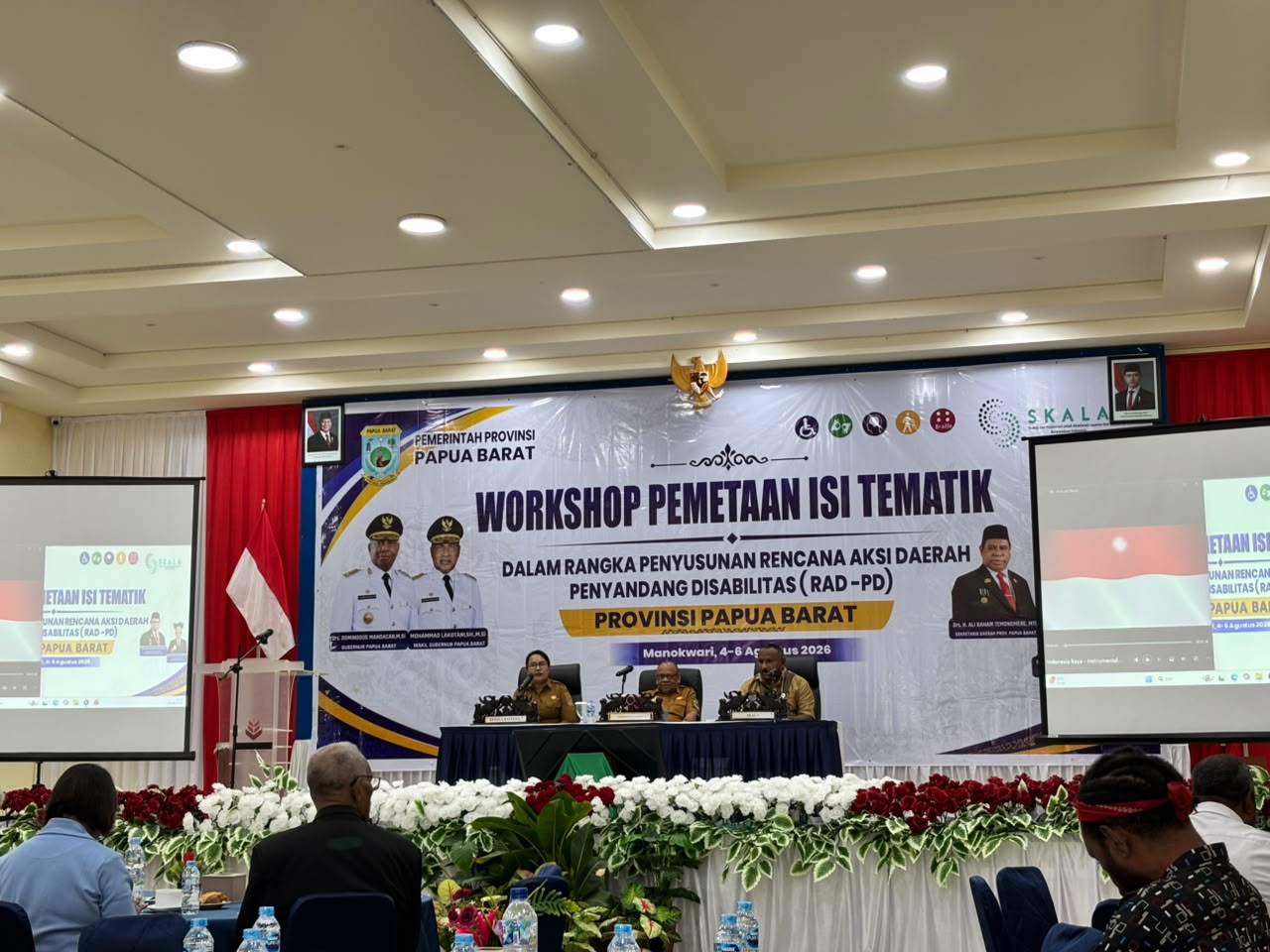
The Papua Barat Provincial Government has initiated a Regional Action Plan for People with Disability (RAD PD) to strengthen inclusive development. The RAD PD will guide the province’s efforts to ensure that people with disability benefit from development and have the opportunity to participate in the planning, implementation and evaluation of policies that affect them.
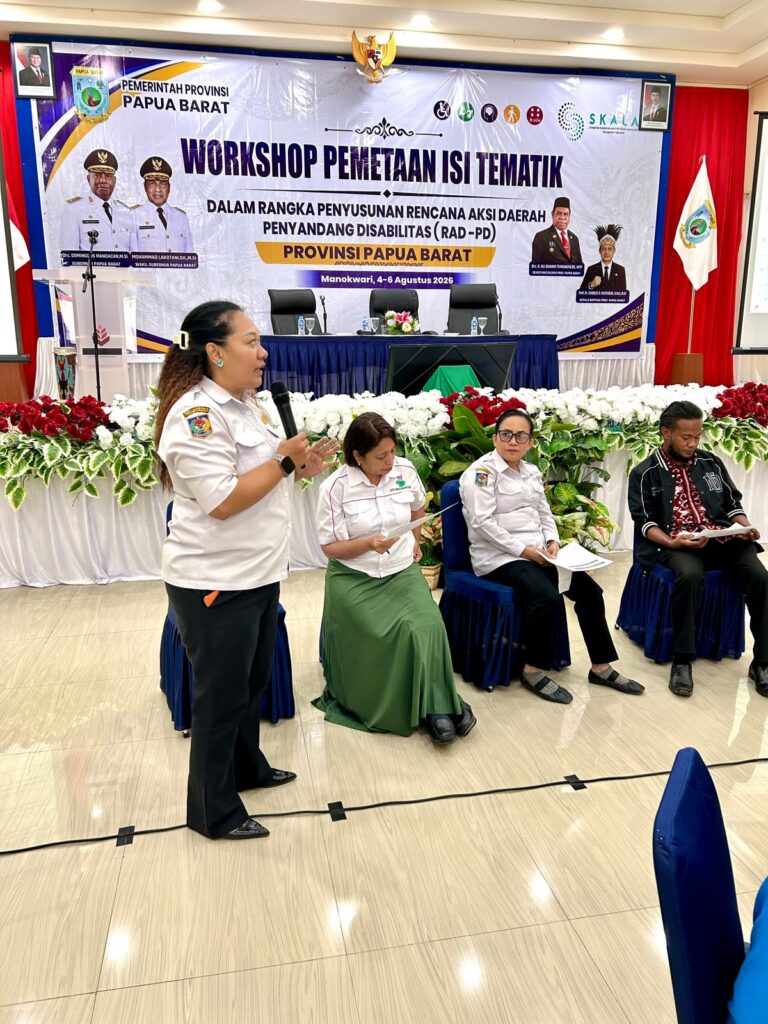
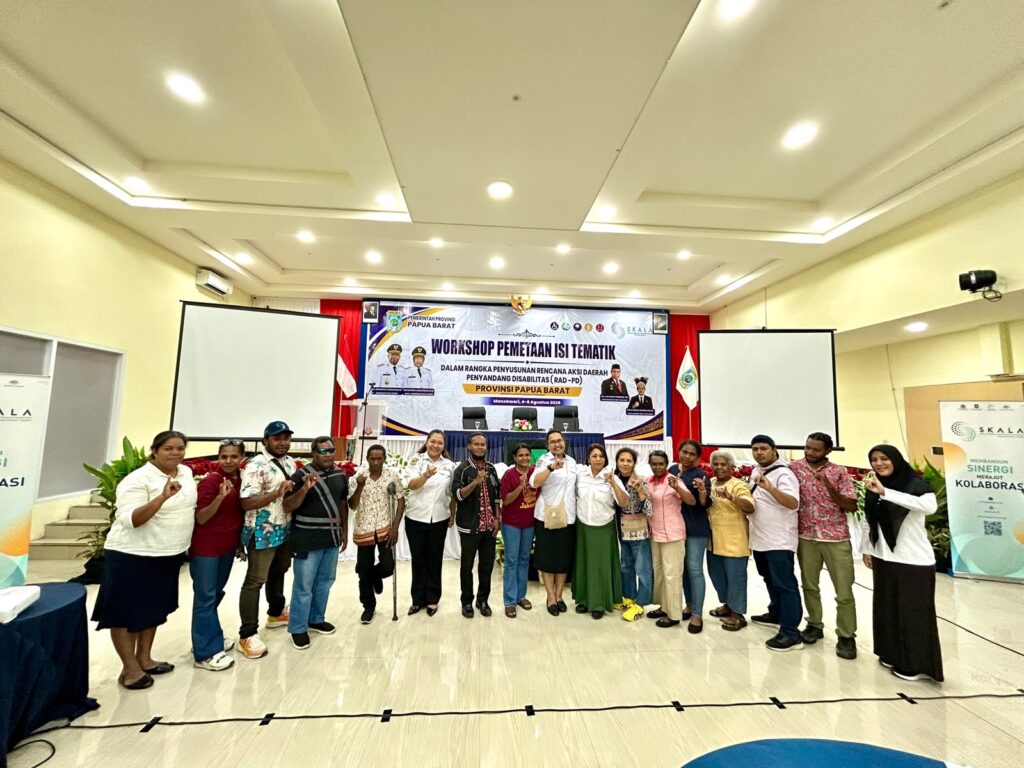
Drafting of the RAD PD began with a thematic issue mapping workshop in Manokwari, from 4 to 6 August 2026. This event brought together regional government agencies, organisations of people with disabilities (OPDis), civil society organisations (CSOs) and academics. The workshop sought to identify primary challenges and chart policy directions to align with regional needs.
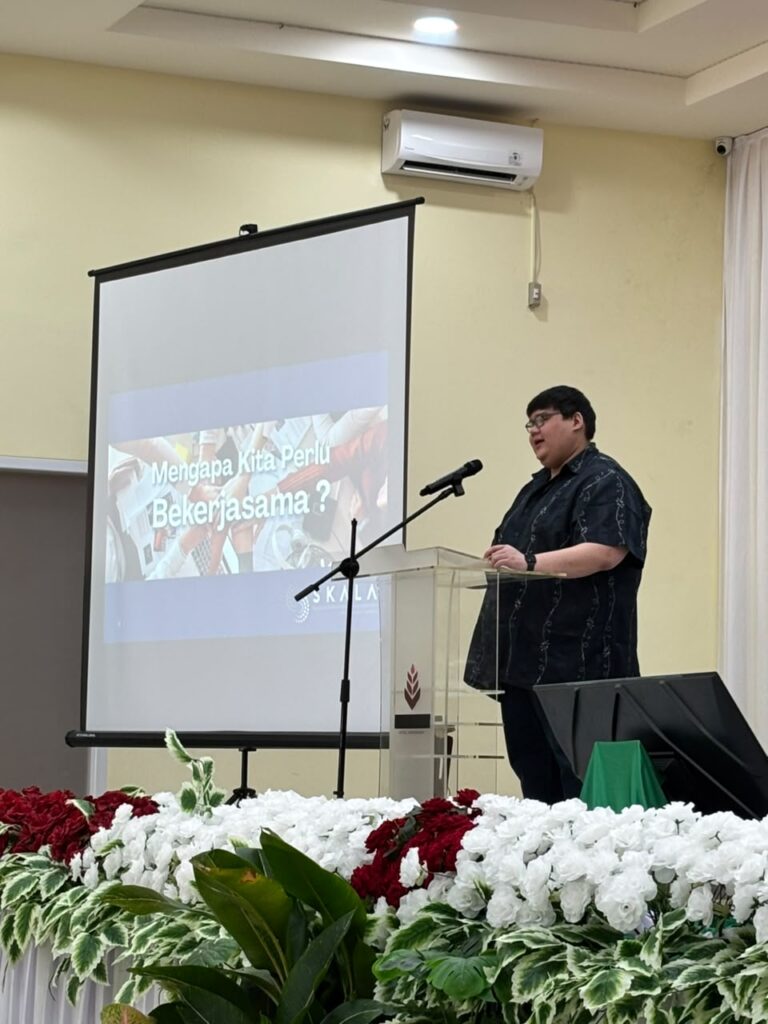
The First Assistant to the Regional Secretariat, Abdul Latief Suaeri representing the Governor of Papua Barat – officially opened the workshop. He emphasised that all citizens should have an equal opportunity to access education, healthcare, employment and public services.
“Let us make Papua Barat a province that respects diversity, protects vulnerable groups, provides services that are accessible to all, and ensures no-one is left behind in our development,” Suaeri said.
Based on 2026 SEPAKAT National Socioeconomic Single Data (DTSEN) data, 4,114 individuals, or 7.11 per cent of Papua Barat’s total population of 578,515, live with moderate and severe disabilities. Of the total, there are 2,138 females with moderate and severe disabilities (52 per cent) and 1,976 males (48 per cent).
People with disability in the province often face challenges in accessing basic services, including education, where a shortage of schools, educators and assistive devices can be constraints. Furthermore, of the working-age people with disability who are in employment, most work in the informal sector.
These circumstances have prompted the provincial government to formulate policies which integrate disability issues into cross-sectoral development planning.
The RAD PD is underpinned by Government Regulation No. 70 of 2019 and Minister of National Development Planning Regulation No. 3 of 2021. The RAD PD will serve as a guiding framework for regional agencies to formulate inclusive development policies, programs, budgeting and evaluations that align with Papua Barat’s Regional medium-term development plan 2025–29 (RPJMD) and the National action plan for people with disability.
The RAD PD will prioritise several issues, including efforts to:
- strengthen data on people with disability
- increase the meaningful participation of people with disability
- integrate disability issues into basic services and Minimum Service Standards (SPM)
- expand employment opportunities for people with disability
- make education more inclusive
- ensure effective implementation governance.
Throughout the RAD PD’s drafting process, the provincial government will directly engage with OPDis to ensure the resulting policies accurately reflect on-the-ground realities.
The Head of Human and Community Development at the Papua Barat Provincial Development Planning Agency (Bappeda), Deasy Tetelepta, said the involvement of people with disability was a crucial part of effective data-driven planning.
“The involvement of people with disability in formulating the RAD is an important step in promoting inclusive development planning. This forum is expected to produce a gap analysis based on regional and disaggregated data to support planning and budgeting that is more responsive to the needs of people with disability,” Ms Tetelepta said.
Civil society and disabled people’s organisations provide substantive input
Several CSOs and OPDis came together at the RAD PD workshop, including the Indonesian Association of Women with Disabilities (HWDI), Indonesian Blind Union (PERTUNI), Movement for the Welfare of the Deaf in Indonesia (GERKATIN), Centre for Electoral Access for People with Disability (PPUAD), Papua Disability Care Foundation (Yayasan Peduli Kasih Disabilitas Papua), Indonesian Association of Persons with Disabilities (PPDI), National Paralympic Committee of Indonesia (NPCI) Papua Barat, Yayasan Bicara and Spouses of Indonesian Cabinet Ministers Collective (OASE).
Reverend Daniel Sukan conveyed the commitment of Papua Barat’s Coalition of Churches to seeing the rights of people with disability fulfilled. Meanwhile, the chair of HWDI Papua Barat, Reverend Shirley FA Parinussa, highlighted the critical need to strengthen regional regulations, provide assistive devices, increase the number of educators in special needs schools and empower OPDis.
Maria Lewuk from PPUAD shared inputs about an incentive mechanism for high-achieving athletes with disability to reach their goals at the National Sports Week (Pekan Olahraga Nasional/PON).
The workshop was conducted under the supervision of the Directorate of Poverty Alleviation and Social Welfare (PKKS) of the Ministry of National Development Planning, with support from SKALA, the Australia–Indonesia partnership program. This collaboration will establish a coordination and an implementation team for the RAD PD. Both teams will oversee the process from formulation to enaction of the plan, and take responsibility for making it a robust foundation on which to develop policies that respond to the needs of people with disability.
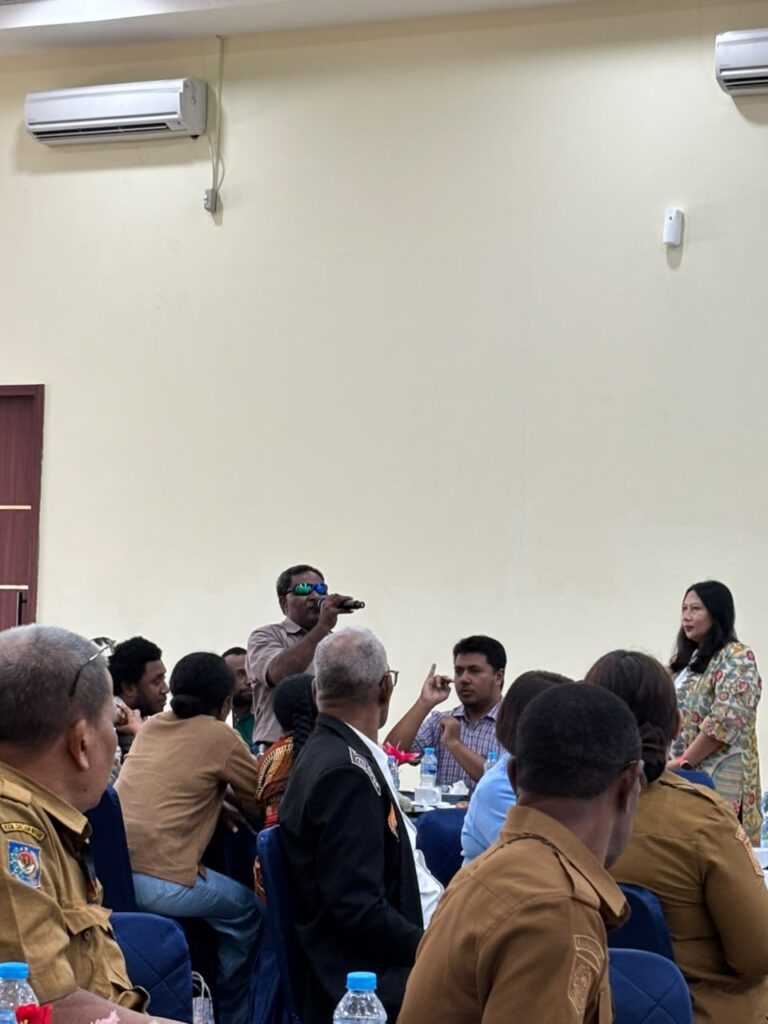
SKALA’s GEDSI Coordinator Richard Kennedy – a person with a visual sensory impairment – facilitated a disability awareness discussion session, at which he emphasised the importance of mutual understanding and avoiding assumptions about disabilities.
Mr Kennedy invited participants to share their perceptions, expectations and concerns. He defined inclusion as “….an active effort to ensure everyone has an equal opportunity to shape policies, access information, be heard, be trusted, contribute and advocate for public services that are accessible to all.”
Through the formulation of the RAD PD, Papua Barat is striving to build an inclusive platform for the equal participation of people with disability across all regional development processes.