


Papua Tengah Strengthens Gender-responsive Planning to Support Poverty Reduction and Basic Services
Papua Tengah is strengthening links between poverty reduction, gender equality and basic service delivery in regional development planning. As of March 2026, the province’s poverty rate stood at 30.41 per cent, compared with the national rate of 8.07 per cent. Reducing poverty requires addressing the barriers that women, children, people with disability, Indigenous Papuans and other vulnerable groups face in accessing basic services, economic opportunities and development decision-making.
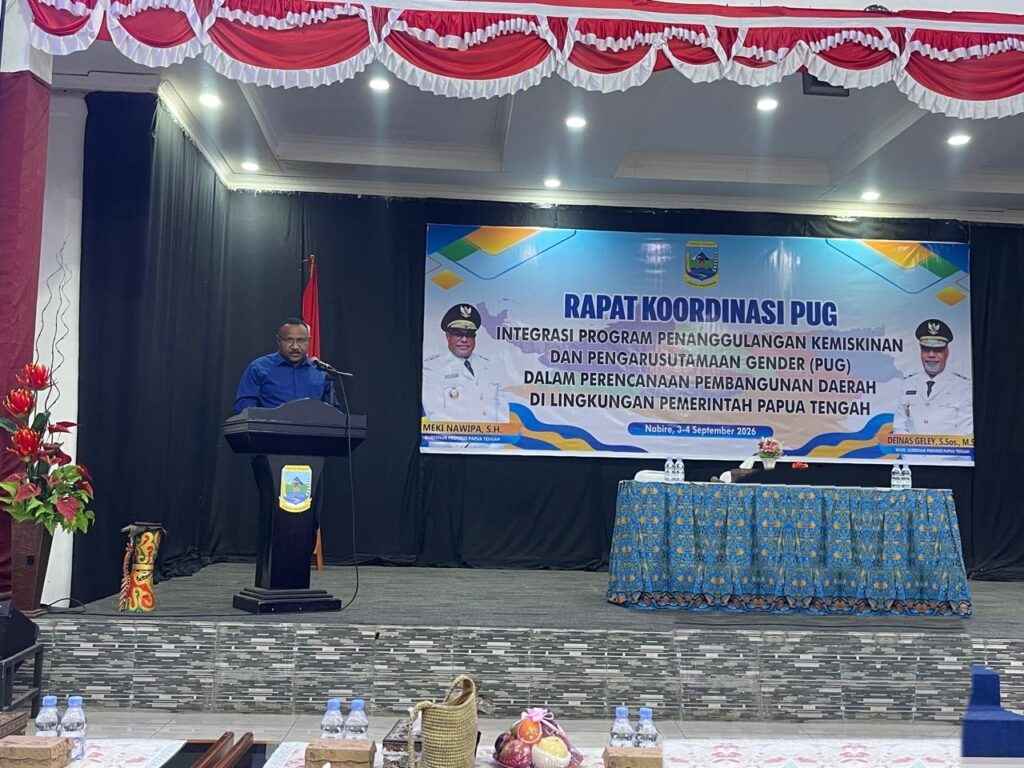
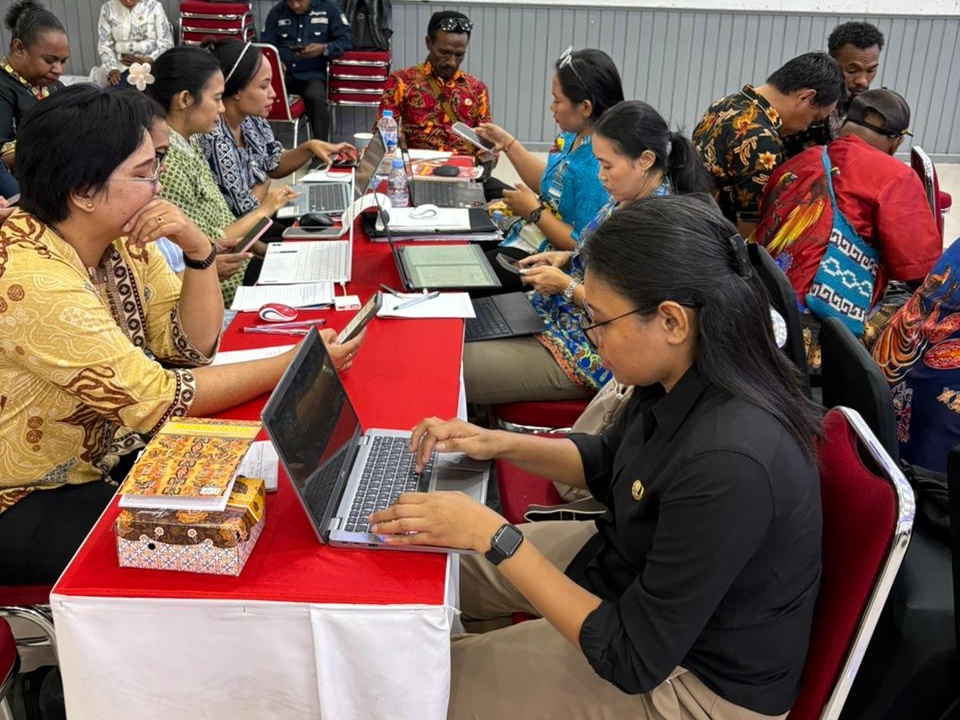
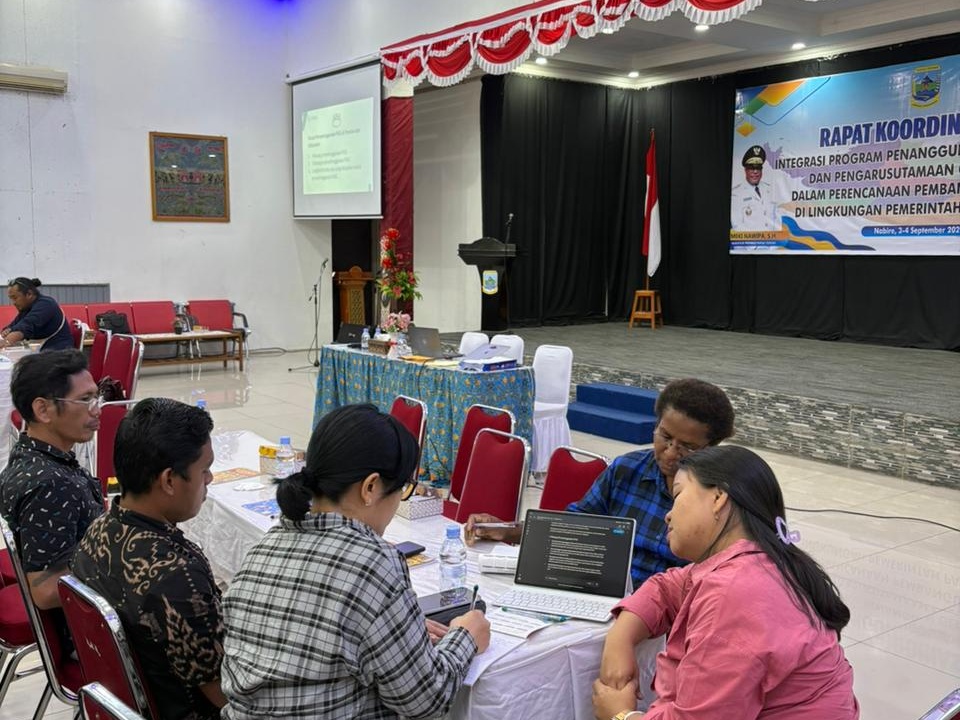
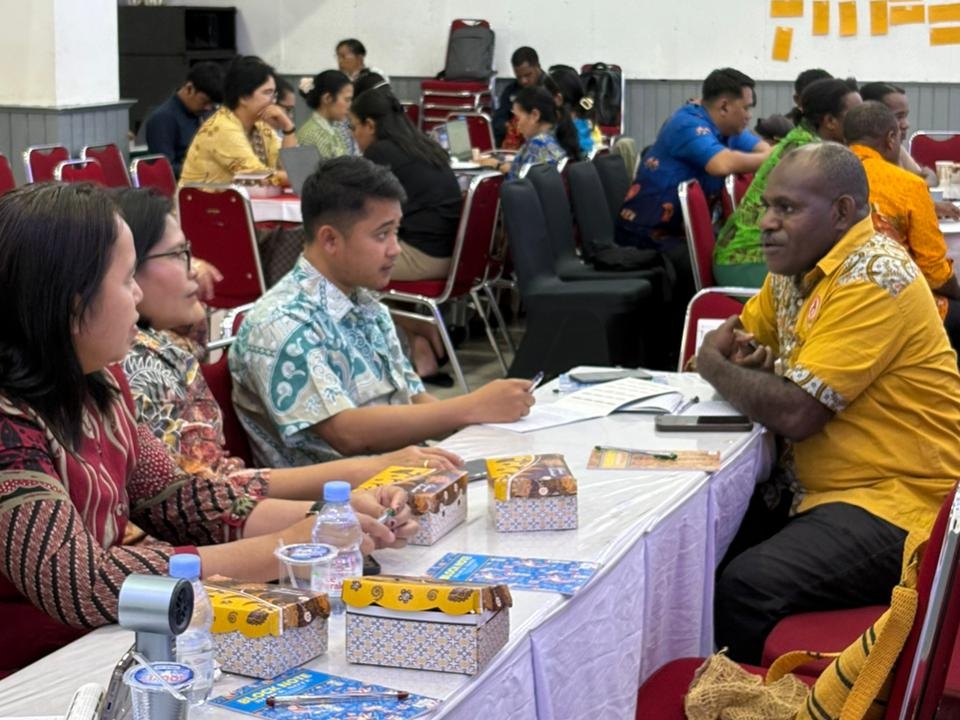
To support this effort, the Papua Tengah Provincial Government, through the Regional Development Planning, Research and Innovation Agency (Bapperida), convened a Coordination Meeting on the Integration of Poverty Reduction Programs and Gender Mainstreaming in Regional Development Planning on 3–4 September 2026 in Nabire. About 100 participants from provincial government agencies and Bappeda/Bapperida offices from six districts took part.
Connecting poverty reduction with inclusive development
Poverty levels vary considerably across Papua Tengah. Statistics Indonesia data from March 2025 show poverty rates of 39.21 per cent in Intan Jaya, 37.29 per cent in Deiyai and 36.94 per cent in Puncak, compared with 13.70 per cent in Mimika. These differences reflect variations in geography, access to services, and social and cultural conditions, reinforcing the need for responses tailored to the circumstances of each district.
The Action Plan for the Acceleration of Papua Development (RAPPP), aligned with the 2025–2029 National Medium-Term Development Plan (RPJMN), sets a target for Papua Tengah’s poverty rate to fall to 15.50–16.50 per cent by 2029, from a 2025 baseline range of 26.50–27.00 per cent. Achieving this target will require stronger links between poverty reduction programs, gender-responsive planning, data, budgeting and basic service delivery.
Papua Tengah Governor Meki Nawipa, in remarks delivered by the Governor’s Senior Adviser III for Government, Politics and Law, Marthen Ukago, emphasised the need for an integrated approach.
“Poverty reduction programs must be designed in an integrated, inclusive and gender-responsive manner… We must ensure that every development policy reaches those who need it, including women, children, Indigenous communities, people with disability, and people living in remote areas.”
Strengthening the basis for planning and decision-making
The meeting helped government agencies strengthen their ability to identify inequalities, understand their underlying causes and translate analysis into planning responses. It brought together national policy guidance from Bappenas and the Ministry of Home Affairs, poverty and gender data, practical gender analysis, and examples of participation by communities and vulnerable groups from across Papua.
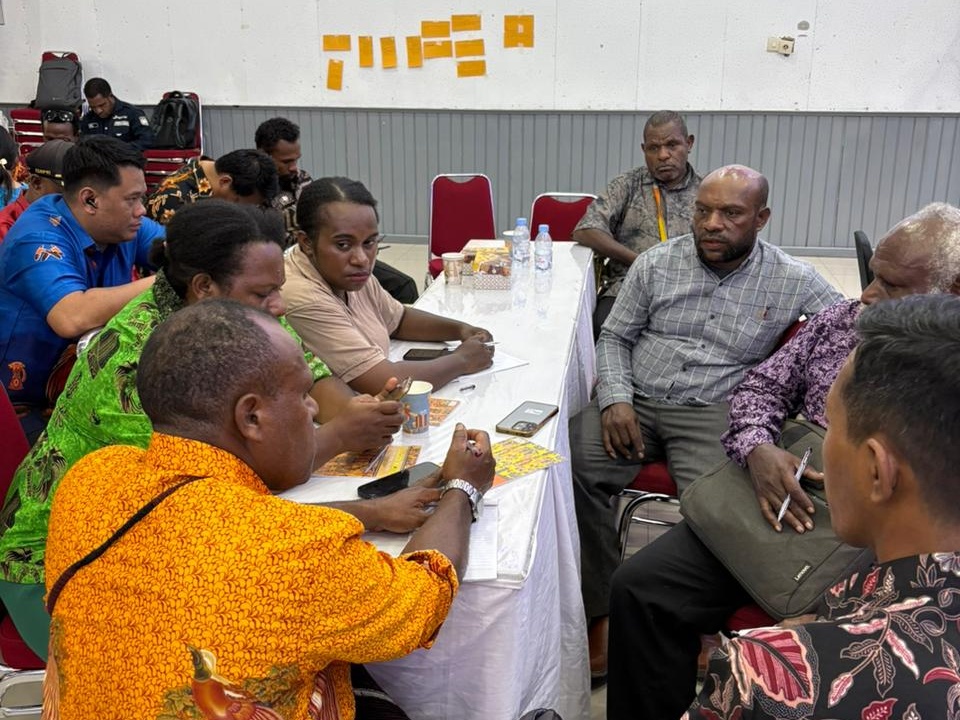
With support from SKALA, the Australia–Indonesia partnership program, participants applied the Gender Analysis Pathway (GAP) to identify gender gaps, examine underlying causes, formulate possible responses and identify the government agencies responsible for taking action. This gave district teams a practical method for linking gender analysis to policies, programs and budgets within their areas of responsibility.
Participants also mapped the status of gender mainstreaming in their respective districts, covering institutional arrangements, regulations, the availability of sex-disaggregated data, government capacity and barriers to implementation. The mapping showed that progress varies across the province. Mimika, for example, has begun strengthening gender-responsive planning and advocating for a regional Satu Data (One Data) forum. Other districts identified areas for further strengthening, including understanding of gender mainstreaming, the availability of sex-disaggregated data, and responses to geographical, socio-cultural and security constraints.
The meeting produced several practical outcomes: a stronger shared understanding of the links between poverty, gender inequality and access to basic services; a clearer picture of how gender mainstreaming is being implemented across participating districts; and agreed priorities for follow-up action. Together, these outcomes provide a stronger basis for integrating gender considerations more consistently into planning and budgeting.
SKALA Provincial Team Ottow Sineri highlighted that gender mainstreaming should be embedded throughout the development process rather than treated as a separate program.
“Gender mainstreaming is a development approach that aims to ensure that every policy, program, activity and budget delivers fair and equitable benefits for all members of society,” he said.
Turning analysis into coordinated action
The agreed follow-up priorities include establishing gender mainstreaming working groups at provincial and district levels, accelerating the development of local regulations, and using these arrangements to integrate gender mainstreaming more systematically into planning and budgeting across government agencies.
These actions are intended to strengthen institutional arrangements so that gender analysis can inform routine government processes. Clearer roles, supporting regulations and better use of disaggregated data can help planners identify who is being left behind, understand where barriers occur, and target programs and resources more effectively.
The Papua Tengah Provincial Government, through Bapperida, is leading efforts to strengthen governance arrangements for gender mainstreaming at the provincial level. Bappenas provides national policy direction on poverty reduction and gender equality, while the Ministry of Home Affairs supports local governance arrangements. SKALA supports the provincial government to strengthen gender-responsive planning and budgeting, analysis and governance, and the use of disaggregated data. Together, the analysis, mapping and agreed follow-up actions provide a stronger foundation for provincial and district governments to connect poverty reduction with gender-responsive planning. The expected result is better development decisions: programs that respond more closely to local conditions, resources that are better targeted, and basic services that are more accessible to women, children, people with disability, Indigenous Papuans and other vulnerable communities across Papua Tengah.