


Nunukan in North Kalimantan Prepares to Update Disability Data
The North Kalimantan Provincial Government and Nunukan District Government are preparing to pilot an updated disability data collection process as part of implementing the North Kalimantan One Data (Satu Data) disability guidelines.
The North Kalimantan Satu Data disability guidelines set out the technical mechanisms for updating disability data and issuing disability service cards. The guidelines were developed based on observations of disability data updating activities in Tarakan City on 6–7 May 2026, and incorporate input from district and city governments as well as relevant ministries at the national level.
With support from SKALA, the Australia–Indonesia partnership program, the North Kalimantan Provincial Government and Nunukan District Government are preparing to pilot the mechanism in Nunukan. The pilot will provide an opportunity to assess how the data collection process works in practice and under local conditions.
Nunukan was selected because of its distinctive characteristics as one of North Kalimantan’s border districts. Its territory includes mainland, island and border areas – hence it requires a data collection approach capable of reaching people with disability across diverse and geographically dispersed locations.
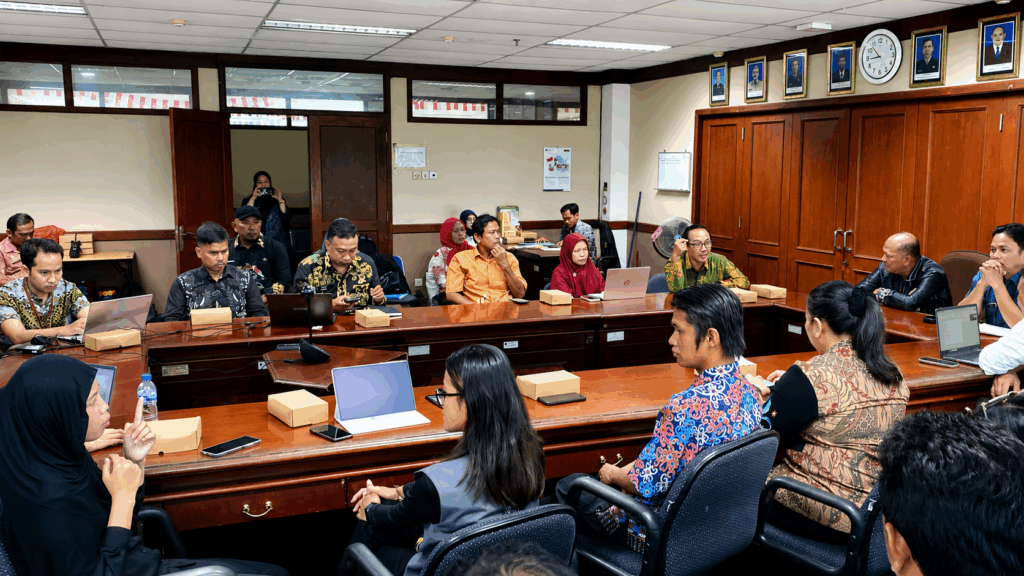
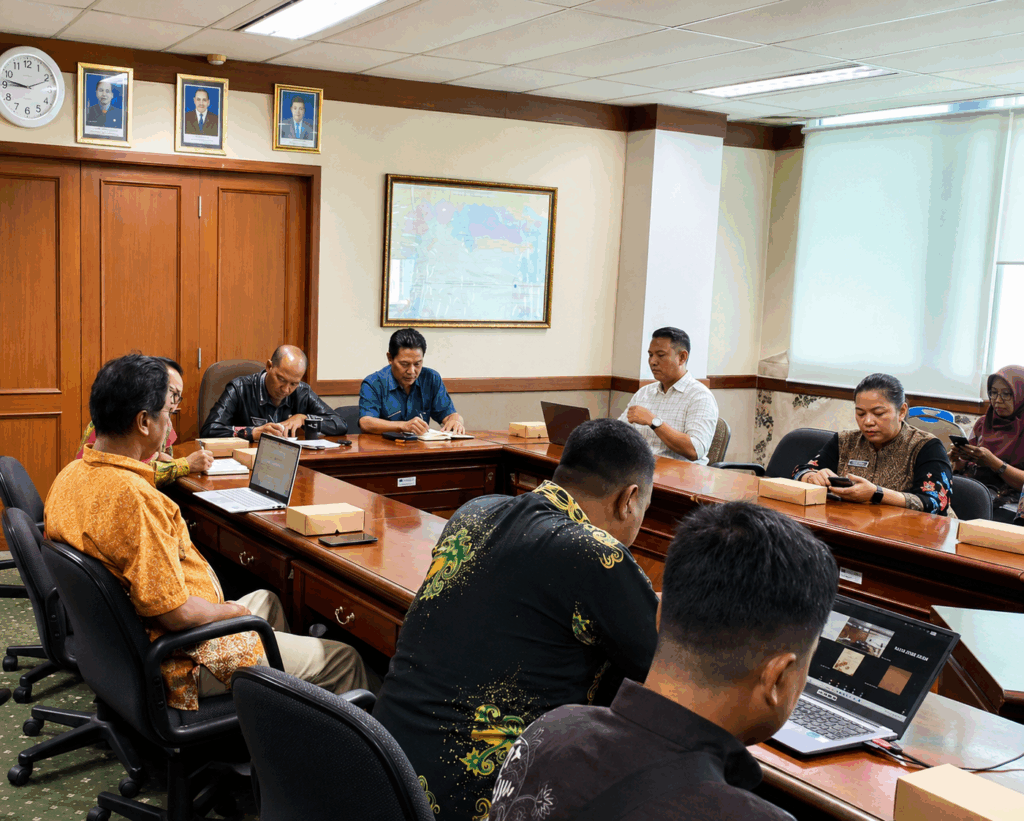
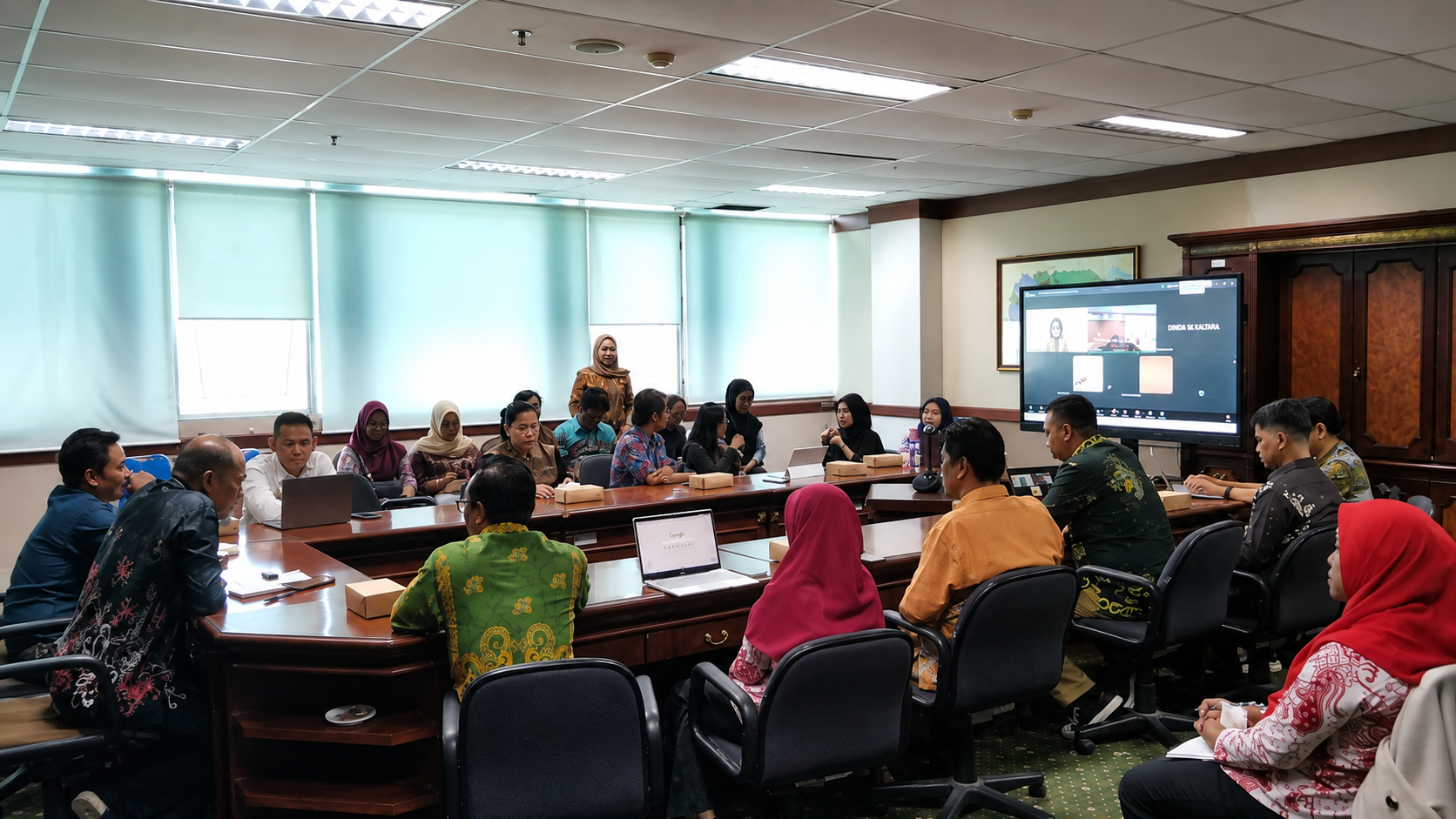
The preparations for disability data collection were discussed during a workshop in Nunukan District, held on 27 August 2026 at the Nunukan District Government Office. The workshop marked an initial step towards confirming the mechanisms, tools, supporting requirements and roles of the various stakeholders before the data update is carried out.
In his remarks, Assistant I to the Nunukan District Secretariat, Muhammad Amin, emphasised the importance of quality data to ensure the rights of people with disability were fulfilled and that they received appropriate services.
“Disability data collection is not merely an administrative exercise or a matter of gathering figures and information. More importantly, valid, accurate and up-to-date data provide an essential foundation for ensuring that every citizen, including people with disability, can access services that respond to their needs and rights,” Amin said.
Valid and up-to-date disability data can help the government develop a clearer understanding of the circumstances and needs of people with disability. This information can then support planning, budgeting, program development, and the delivery of more targeted and inclusive public services.
Updating disability data therefore requires the involvement of a range of stakeholders. Local governments, relevant government agencies, health workers, the Population and Civil Registration Office, organisations of people with disabilities (OPDs), civil society and other stakeholders all have a role to play to ensure the data collection process is coordinated effectively.
“Every government agency and relevant stakeholder needs to understand their respective roles and responsibilities in updating disability data,” Amin said.
The involvement of OPDs is also a crucial part of the process. Their experience and perspectives can help the government better understand the circumstances and needs of people with disability. This ensures the data collected goes beyond administrative information and can support the development of policies and services that respond to people’s actual needs.
“Good data must lead to good policy, and good policy must deliver benefits that people can genuinely feel,” Amin emphasised.
The results of the Nunukan pilot are expected to provide valuable lessons for implementing the North Kalimantan Satu Data disability guidelines across the province. Through a more coordinated data collection mechanism and regular updates, local governments will have a stronger evidence base for planning policies, programs, budgets, and services that are more responsive to the needs of people with disability.