


Building Trust, Strengthening Collaboration: Lessons from GEDSI Baseline
Inclusive development needs real teamwork. A recent study shows strong trust between the government and civil society organisations. This is a great starting point to remove the barriers that still stop vulnerable groups from having a real say.
Gender-responsive and inclusive development requires strong collaboration between government institutions, civil society organisations (CSOs), academia and communities, particularly those who continue to face barriers in accessing services and participating in development processes.
A foundation for this collaboration already exists. Findings from the Baseline Study on Multi-Stakeholder Collaboration for Gender Mainstreaming and Social Inclusion indicate that trust between government and CSOs is relatively high, which suggests a strong basis for expanding partnerships to support more inclusive and participatory development.
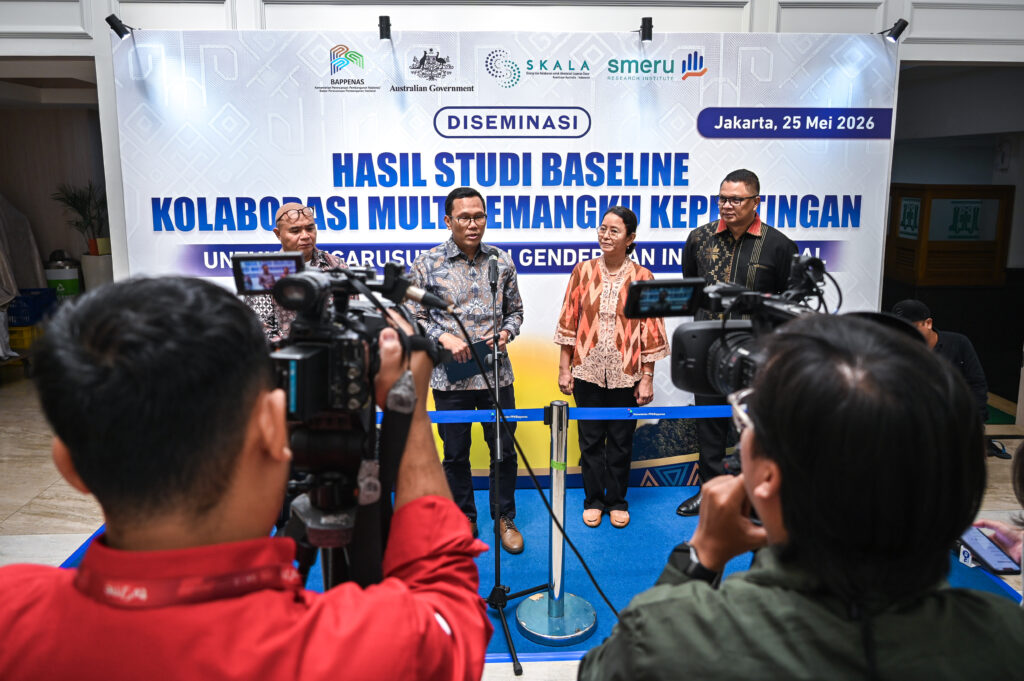
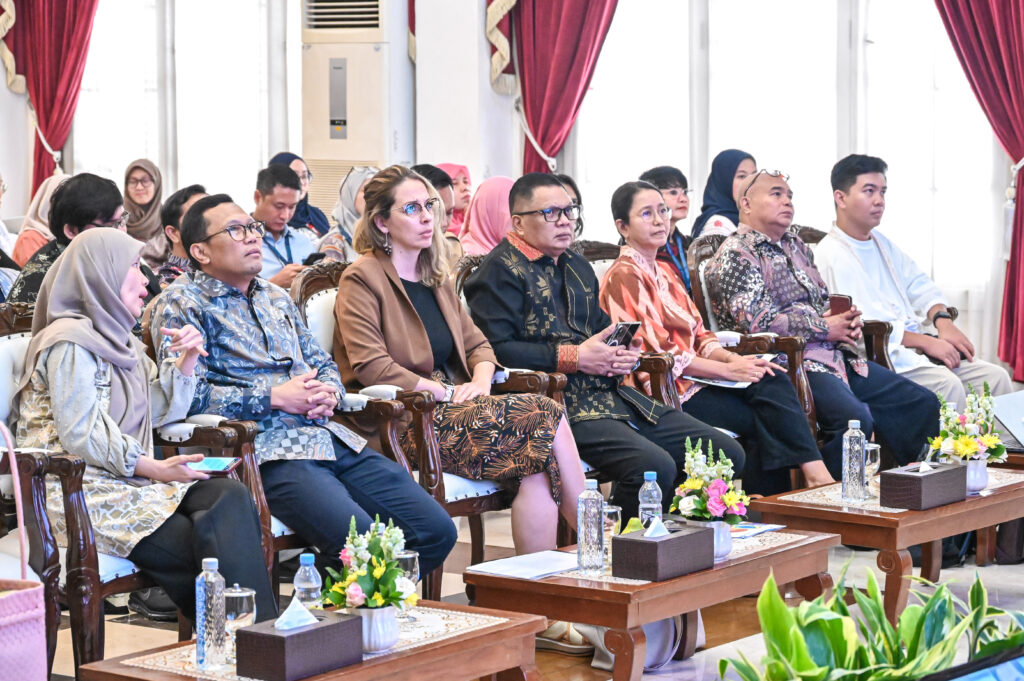
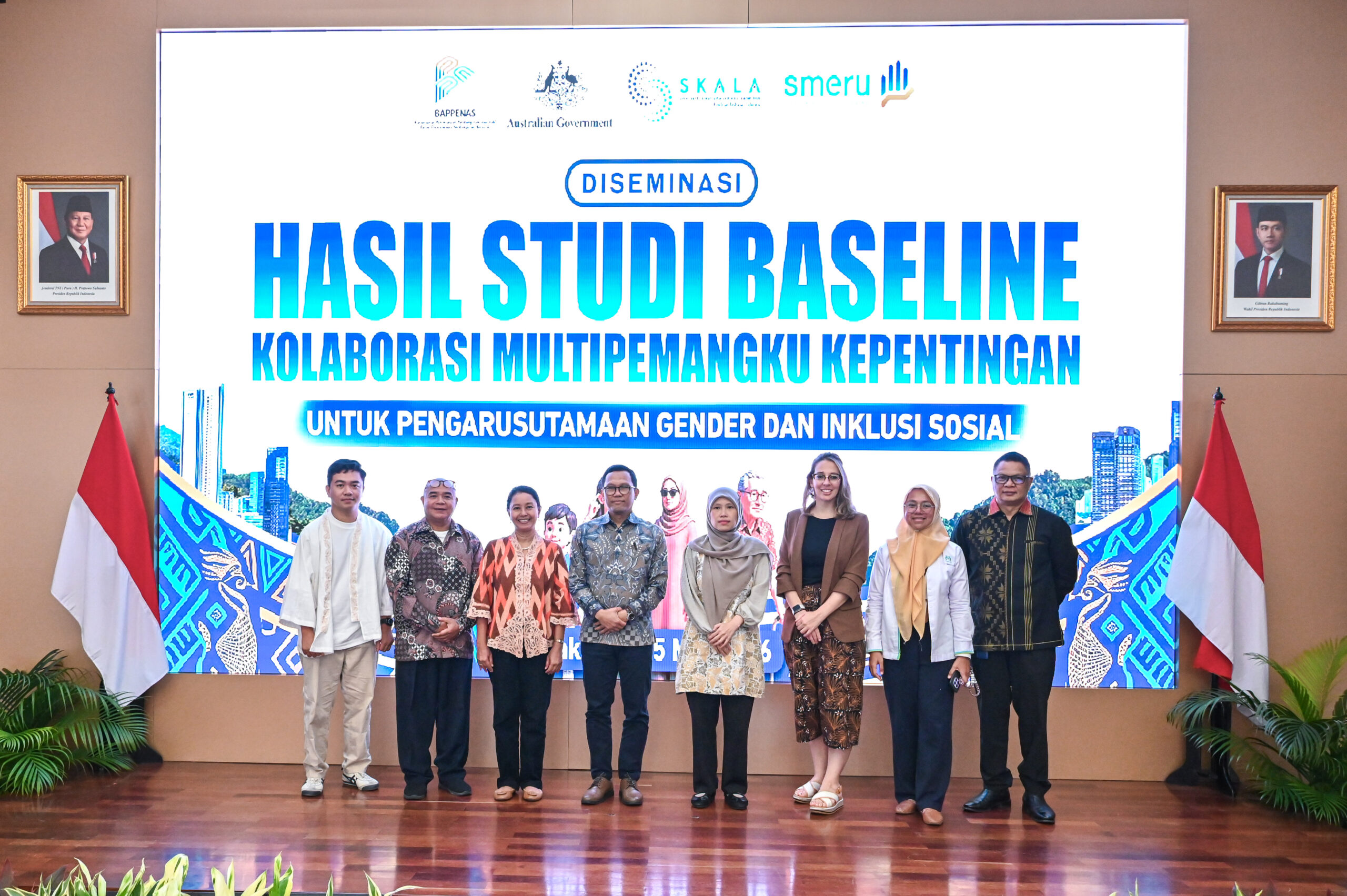
The study was supported by SKALA (Sinergi dan Kolaborasi untuk Akselerasi Layanan Dasar) and the Australia–Indonesia Partnership Program, and implemented by the SMERU Research Institute. Its objective was to strengthen collaboration between government and CSOs in advancing gender-responsive and inclusive development. A dissemination event was organised by the Directorate of Family, Caregiving, Women and Children (KPPA) at Bappenas.
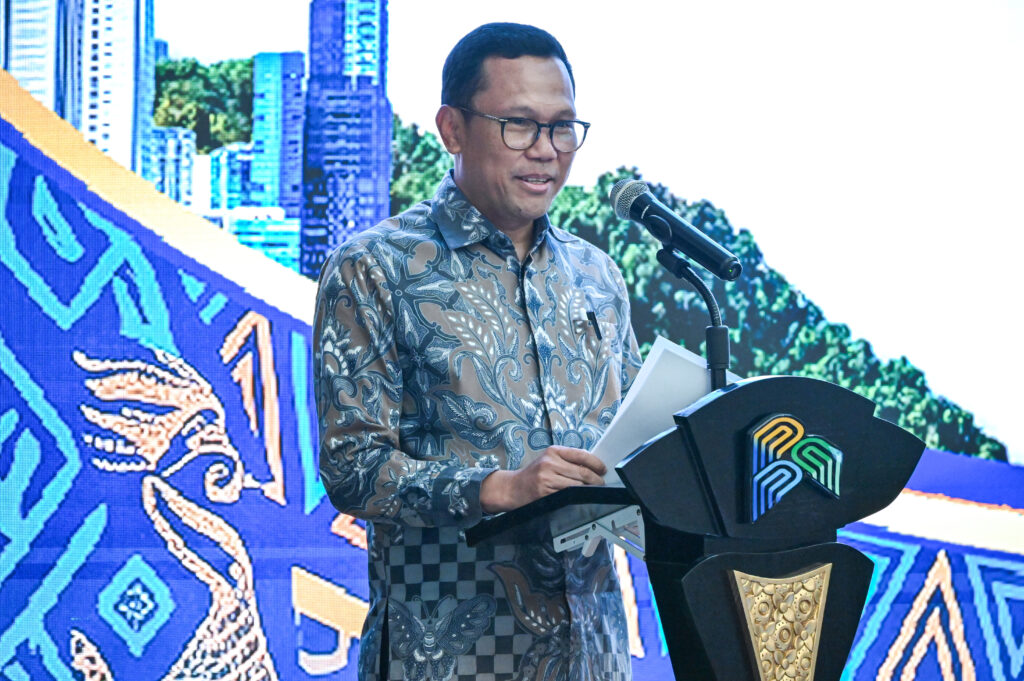
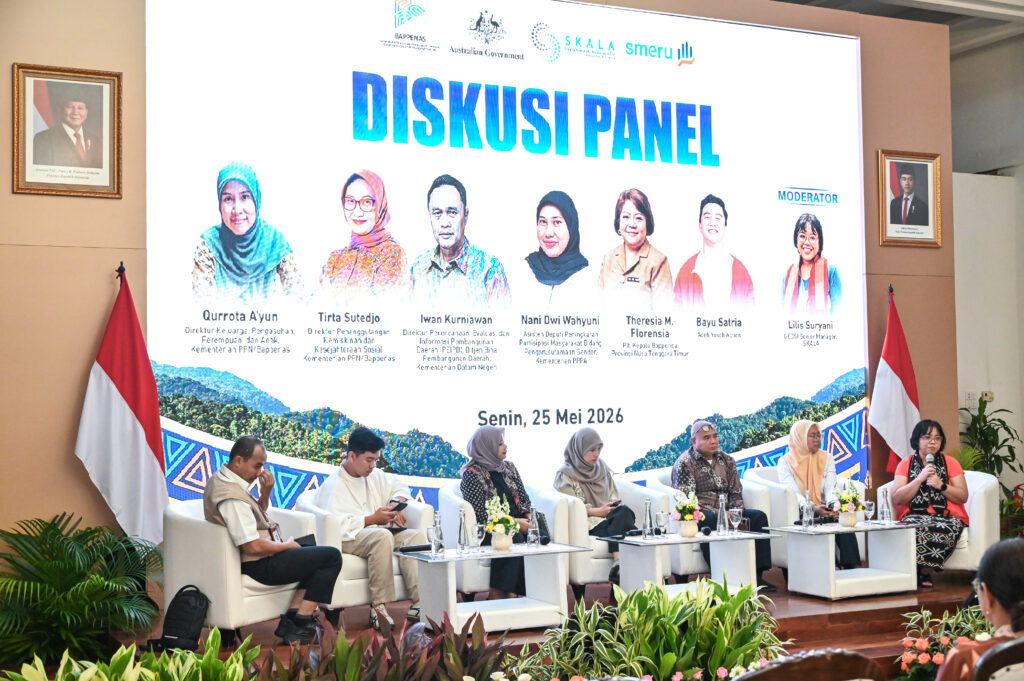
Pungkas Bahjuri Ali, Deputy for Human Development and Culture at Bappenas spoke at the dissemination event at the launch event in Jakarta on Monday, 25 May.
“Civil society organisations have close connections with communities—in particular vulnerable and marginalised groups—enabling them to understand, in context, the barriers these groups face in accessing government services.”
CSOs possess advocacy capacity that can help bridge the gap between policy and implementation, Pungkas explained. Their role is critical in ensuring that development programs are accurately targeted and reach those most in need, and they contribute to local innovation and community-based approaches that emerge from a direct understanding of local conditions and challenges.
One of the study’s key findings showed government–CSO relationships are supported by strong social capital. High levels of mutual trust provide the foundation for strengthening collaboration in regional planning and development processes.
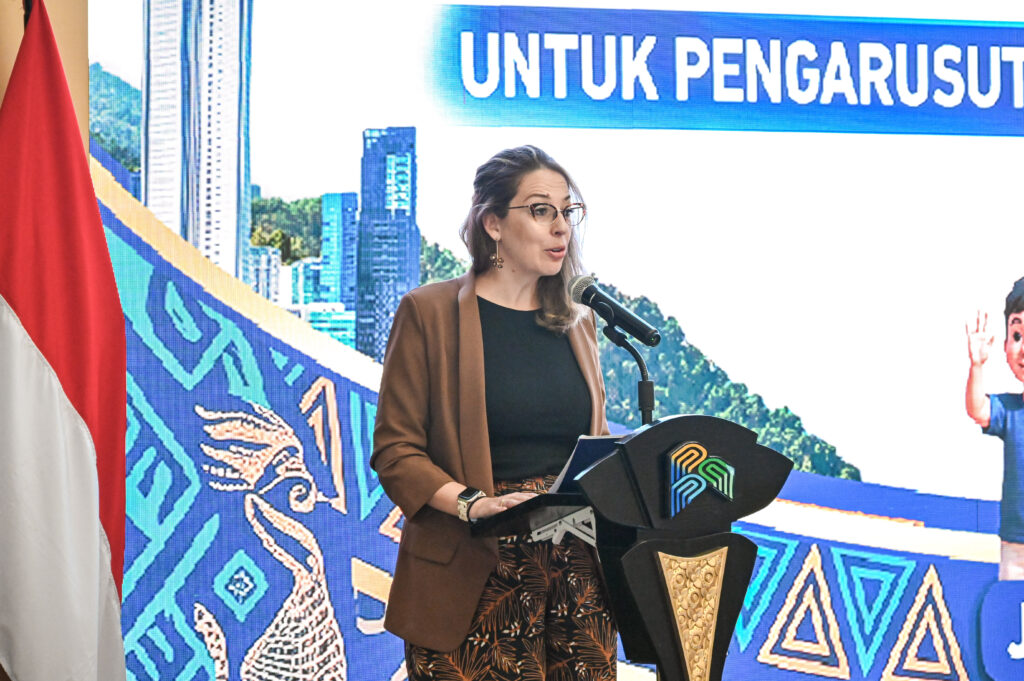
“Our findings show that the level of trust and confidence between government and civil society organisations, and vice versa, are high,” says Palmira Bachtiar, Senior Researcher at the SMERU Research Institute.
Palmira explained that CSOs generally perceive local government as open to discussion and input from civil society and willing to collaborate. Conversely, government stakeholders view CSOs as responsive to capacity-building initiatives and collaborative engagement.
“The majority of respondents expressed positive perceptions regarding both consultation and collaboration,” she said.
The study employed both quantitative and qualitative methods across six provinces: Aceh, West Nusa Tenggara (NTB), East Nusa Tenggara (NTT), North Kalimantan, Gorontalo and Maluku, between 18 August and 28 September 2024. Researchers interviewed 66 respondents, conducted 91 surveys, and facilitated 12 focus group discussions involving 49 local government officials and 60 CSO representatives.
In presenting the findings, Palmira noted that the baseline study generated several valuable insights regarding community participation, CSO capacity and levels of trust between CSOs and government institutions.
“Strengthening CSO capacity is a critical investment, particularly in advancing gender mainstreaming and social inclusion within regional development processes,” she said.
Challenges to Meaningful Participation
Despite these positive findings, the study also identified several challenges. Significant among them was the limited participation of CSOs in development planning processes. Participation in provincial Development Planning Consultations (Musrenbang), for example, remains largely invitation based, and is restricted to organisations that maintain close relationships with local government or have an active local presence.
Organisations representing persons with disabilities also continue to face barriers in accessing formal planning processes, ranging from inaccessible meeting venues to short-notice meeting invitations.
CSOs and vulnerable groups continue to experience barriers accessing planning information and documentation. In many cases, they can only access approved planning documents, whereas meaningful participation would require access to draft documents at an earlier stage. Under these circumstances, Musrenbang processes might risk being seen more as a procedural exercise than a genuine opportunity for participation.
Bayu Satria from Aceh Youth Action, based on his experience supporting seven vulnerable groups in Aceh, noted another significant challenge to overcoming knowledge gaps within CSOs and organisations of persons with disabilities. In the context of budget tagging, for example, inclusion of CSO perspectives remains relatively limited.
“Even the concept of rights fulfilment is not always well understood. The framing often remains charitable in nature. Approaches tend to focus on individual needs rather than on ensuring equitable and inclusive access for everyone.”
According to Bayu, although training and capacity-building initiatives for CSOs have been undertaken, applying the same training methods to both CSOs and disability organisations can create barriers for vulnerable groups in absorbing information. Improvements to the broader ecosystem are needed to enable CSOs and vulnerable groups to perform their advocacy functions effectively.
“Building a stronger understanding of which issues fall under provincial government responsibilities, and which belong to district or municipal governments is equally important. Many proposals are submitted but cannot be accommodated because they fall outside the relevant jurisdiction,” Bayu added.
New Opportunities through Community Participation Guidelines
The SMERU Research Institute highlighted that the issuance of a Circular Letter on Community Participation Guidelines in January 2026 could serve as an important opportunity to promote more meaningful public participation. The circular derives from Government Regulation No. 45 of 2017 on Community Participation in Local Government Administration.
The circular provides technical and operational guidance on facilitating the participation of communities and vulnerable groups, and outlines practical methods for ensuring their involvement in the formulation of Regional Development Work Plans (RKPD), as well as providing training guidance for CSOs and academics to strengthen the capacity of vulnerable groups to articulate their aspirations and take part in planning processes.
Prior to the issuance of the circular, several SKALA partner provinces had already implemented thematic Musrenbang initiatives over the past one to two years to ensure the participation of vulnerable and marginalised groups. These include Musrenbang Tematik Bacarita Manise in Maluku, Forum Mentari Kaltara in North Kalimantan, Forum Gorontalo Inklusi Doluhupa in Gorontalo, and Musik Keren in East Nusa Tenggara.
Strengthening Capacity and Political Commitment
In addition to highlighting findings and good practices, the study also generated critical reflections. Misiyah Misi from Kapal Perempuan emphasised the importance of strengthening government’s political commitment to ensure that the participation of communities and vulnerable groups is genuinely meaningful. She also noted the need to improve government technical capacity to better understand local contexts and social dynamics.
A similar perspective was shared by Qurrota A’yun, Director of Family, Caregiving, Women, and Children at Bappenas. According to Qurrota, the primary challenge is not merely ensuring participation occurs but that participation contributes meaningfully to planning and budgeting processes.
“When I look at the baseline study findings, the key challenge relates to capacity. Capacity here is not only about CSOs; it is equally about government institutions,” she said.
Areas requiring further strengthening among CSOs include understanding development planning cycles and development indicators, and the ability to translate community needs into planning documents. Government institutions, meanwhile, need to strengthen their capacity to engage with CSOs, understand the substance of proposals submitted, and integrate them into planning documents that are subsequently recorded in the Regional Government Information System (SIPD).
Qurrota A’yun said, “This baseline data and evidence will strengthen the formulation of future strategic actions to support gender-responsive and inclusive basic service delivery, while also promoting evidence-based policy and program development at both national and subnational levels,”