


Better Data Governance Helps Target Programs where They Are Needed Most
The Indonesian Government is continuing to strengthen data governance to underpin regional development planning and implementation. Accurate, well-managed data helps governments identify community needs, target programs, allocate budgets and monitor development outcomes more effectively.
Strong data governance means ensuring data follows consistent standards, is regularly updated, can be exchanged across institutions in line with One Data (Satu Data) Indonesia’s principles, and connects to development planning, budgeting, program implementation and evaluation processes.
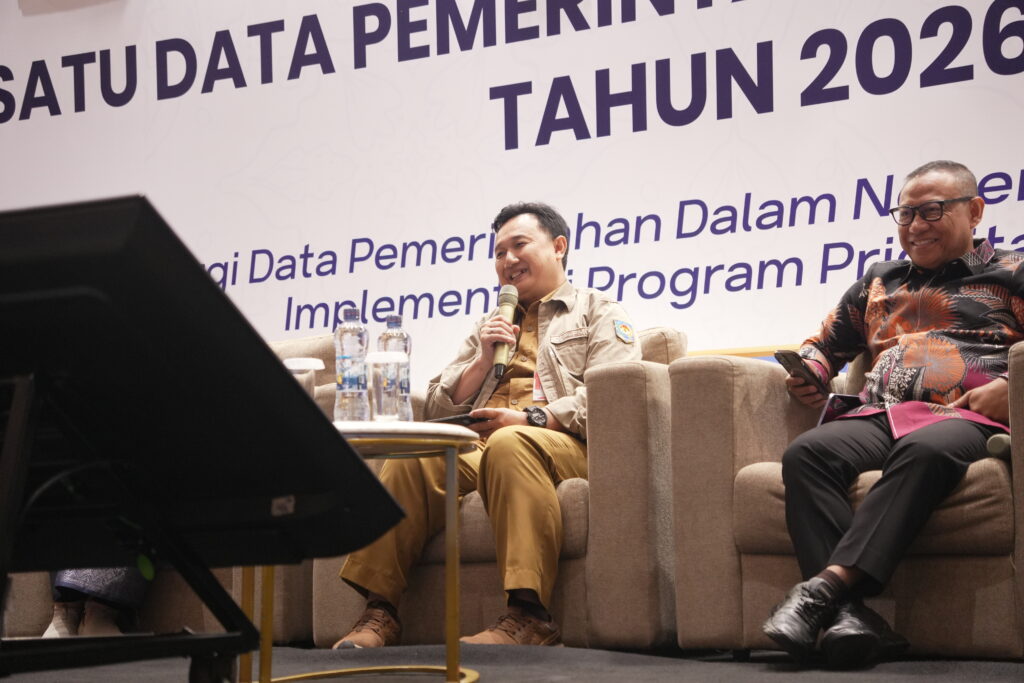
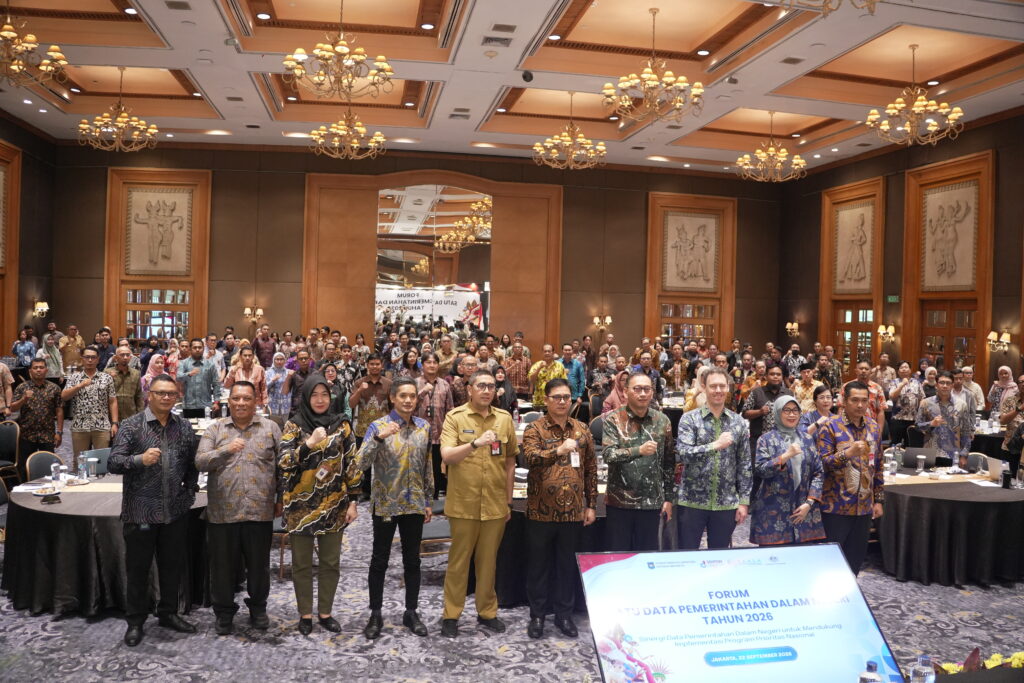
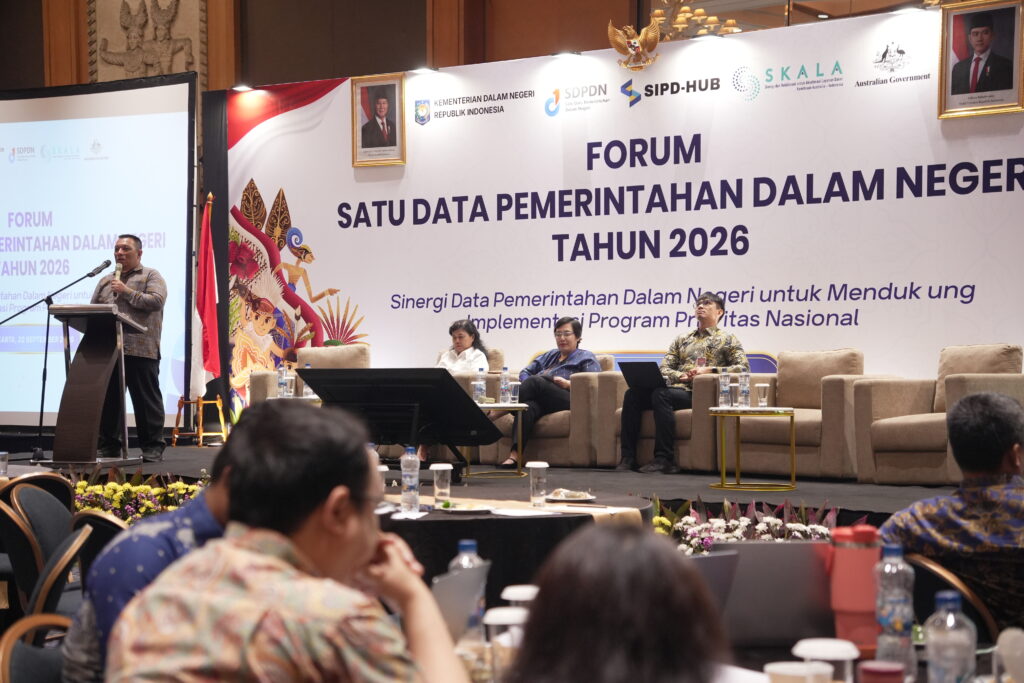
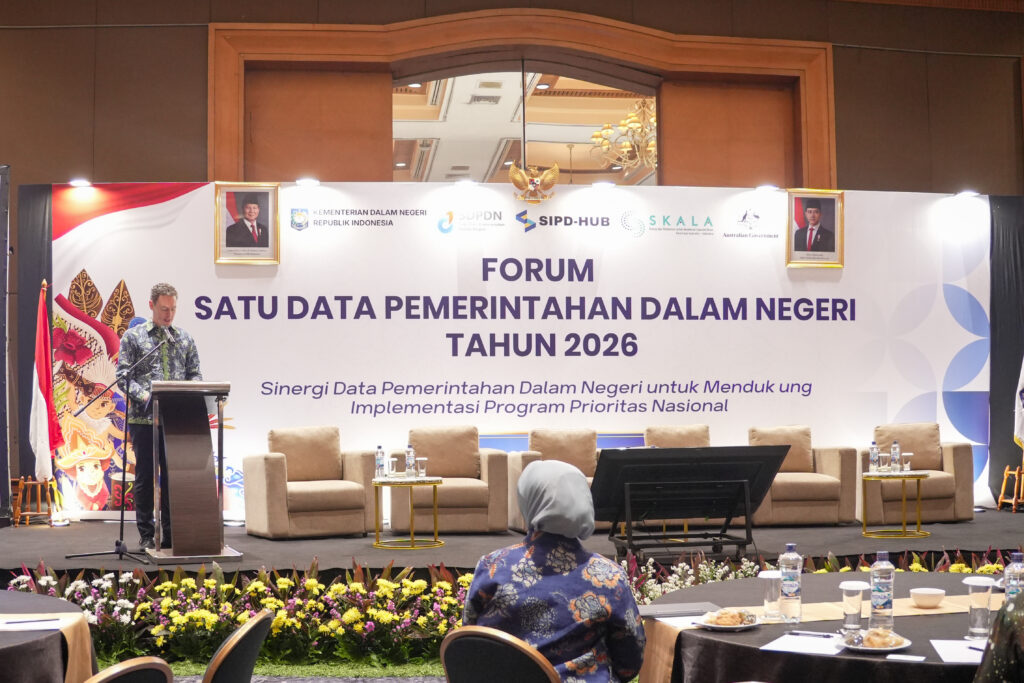
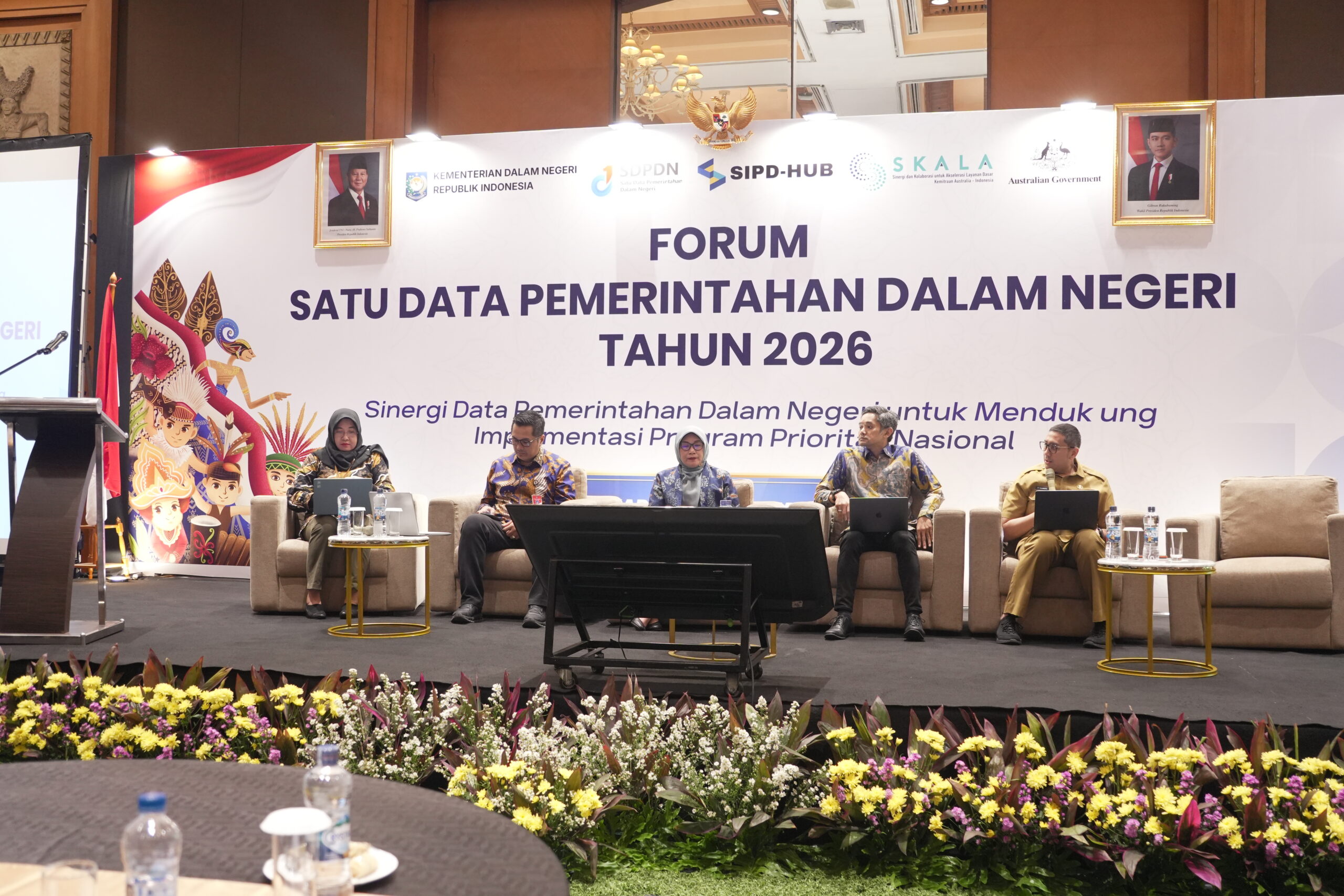
These efforts were a key focus of the 2026 Satu Data for Domestic Governance (SDPDN) forum for regional governments, convened by the Ministry of Home Affairs (MoHA) on 22 September in Jakarta. The forum brought together national and subnational government representatives to discuss and coordinate SDPDN implementation, including its use to support regional development and national priority programs.
At the forum, Head of Data and Information Management at MoHA, Yeni Indah Susanti, said efforts to strengthen SDPDN were aimed at building a common understanding of policy directions, institutional arrangements, implementation cycles, and instruments for guiding and overseeing data management at the subnational level.
MoHA has issued five implementing regulations under MoHA Regulation No. 5 of 2024 on SDPDN. These cover the SDPDN’s overall design, standard operating procedures for data management, technical guidelines, a capacity-building module for Satu Data at the subnational level, and MoHA’s data architecture.
“One of the objectives of this forum is to build a shared understanding of the policy direction, institutional arrangements, implementation cycle, and instruments for guiding and overseeing SDPDN,” Ms Susanti said.
She also said it was crucial for regional development planning agencies (Bappeda) and communications and informatics offices (Diskominfo) to continue to work with each other to connect data management processes at the subnational level.
MoHA’s monitoring shows continued progress toward implementation of Satu Data across the regions. To date, 13 subnational governments – nine provinces and four districts/cities – have integrated their data into PELITA, the SDPDN portal.
Integration, not centralisation
Expert Staff to the Minister of Home Affairs on Public Administration and Services, Anwar Harun Damanik, reiterated the Minister’s direction on building integrated data, rather than centralised data.
Mr Damanik said data integration did not mean taking over the authority of institutions that already produced and managed their own data. Data custodians would continue to play an important role to connect the data produced by different institutions, but each would retain its respective area of responsibility. Personal data protection and security were also important elements of this process.
“The spirit of Satu Data Indonesia is about integration without taking over authority, connectivity without centralising all data, [all the while] ensuring personal data protection and security,” he said.
In the context of subnational governments, SDPDN is intended to support the full development cycle, from planning and data governance to program implementation, monitoring and evaluation.
Strengthening SDPDN therefore requires coordination among Bappeda, Diskominfo, data stewards, data producers and other regional government agencies. Bappeda connects data needs with planning and evaluation processes, while Diskominfo is a data custodian and supports data management and exchange in accordance with its mandate.
Connecting data with development planning
The connection between improved data and better development planning was another key topic discussed during the forum. Director for Development Data and Digital Government at the Ministry of National Development Planning (Bappenas), Dini Maghfirra, highlighted the importance of harmonising planning and data.
Work to align regional medium-term development plans with the National medium-term development plan is continuing in the regions, along with efforts to streamline regional data lists so that they refer to national data lists in accordance with Satu Data Indonesia’s requirements. The government uses reference codes for development indicators to create consistent identities for use across planning, monitoring and evaluation processes.
Ms Maghfirra explained that the 2025–2029 medium-term development data provision plan had been developed to ensure data requirements across ministries and government institutions were being met and updated each year.
The forum also discussed the use of data to support a range of priority programs, including housing development, Sekolah Rakyat (People’s Schools), regional economic growth, and regional planning and budgeting processes.
Australia’s Acting Deputy Ambassador to Indonesia, Tim Stapleton, said the forum provided a valuable space for national and subnational governments to develop a shared understanding, exchange experiences, and strengthen coordination to manage and use data for development.
“Accurate, up-to-date, integrated and accountable data plays an important role in helping governments understand community needs, set priorities, allocate resources, and ensure that policies and programs are effective and well targeted,” Mr Stapleton said.
SKALA Implementation Director, Ted Weohau, emphasised that data delivered greater value when it was connected to government processes.
“Data works when it is connected to the workflows, institutions, programs and budgets of subnational governments,” he said.
The forum was supported by SKALA, the Australia–Indonesia partnership program which works with government to strengthen the governance and use of data for regional development planning. Four of the five implementing regulations under MoHA Regulation No. 5 of 2024 were developed by way of a collaboration between MoHA and SKALA. SKALA focuses on three areas for government support: strengthening institutional arrangements, system interoperability, and the availability of granular data. Together, these areas are intended to strengthen data governance and increase the use of data in subnational government processes.
Using data to respond to community needs
Connecting data with development planning helps identify potential beneficiaries for government programs accurately. Secretary General of the Ministry of Social Affairs, Robben Rico, said the National Socioeconomic Single Data (DTSEN) was being used a reference for planning and targeting of social protection programs. DTSEN contains individual and household data which is matched with population administrative data. It also includes welfare rankings, or deciles, which are used to describe the socioeconomic conditions within a population.
For the Sekolah Rakyat program, as an example, DTSEN is being used to identify prospective students from poor and vulnerable families. As of 22 September 2026, 182 Sekolah Rakyat had been established across 34 provinces, enrolling a total of 34,483 students. Mr Rici said data updating for DTSEN was continuing. As of 10 July 2026, DTSEN covered about 290.1 million individual records and 96 million household records, with a cumulative updating rate of 33.13 per cent. The use of DTSEN demonstrates how data can help governments identify who should benefit from a particular program, where they are located, and what forms of support are appropriate to their circumstances.
Subnational governments commit to follow-up actions
Discussions during the forum identified several follow-up actions for subnational governments:
- Complete their Satu Data institutional arrangements
- Integrate data into PELITA
- Develop their data lists and action plans with clear standards and metadata
- Allocate funding for SDPDN in their 2027 regional budgets
- Implement data security measures in accordance with Indonesia’s personal data protection rules.
Monitoring as of 17 September 2026 showed that 440 of Indonesia’s 546 autonomous subnational governments had established a legal basis for Satu Data. A total of 155 regions had issued decrees establishing regional Satu Data forums, while 373 had established regional data portals.
Strengthening SDPDN is part of the Indonesian Government’s broader efforts to ensure the consistent use of data for regional development. Through stronger inter-agency collaboration, increasingly aligned data standards, interconnected systems, and adequate budget and capacity support, subnational governments can make more effective use of data to implement national priority programs while responding to development needs in their respective regions.