



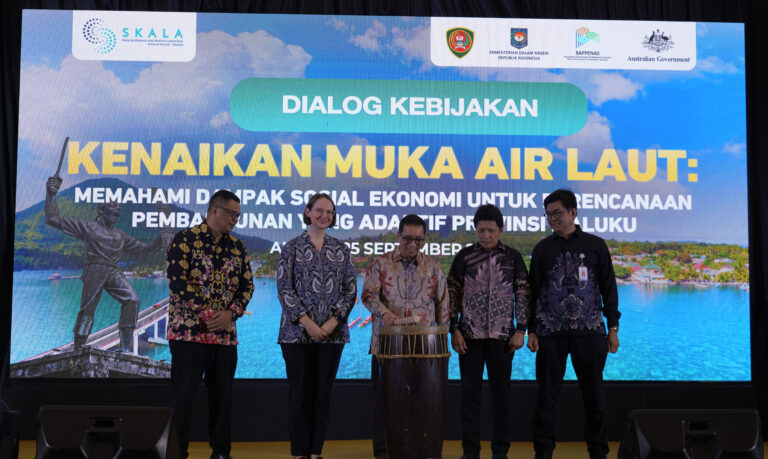
Planning for A More Climate-resilient Maluku amid Risks of Sea-Level Rise
More than 90 per cent of Maluku is ocean, connecting 1,422 islands, which makes sea-level rise a development issue that reaches homes, livelihoods and access to basic services. At a policy dialogue convened in Ambon on 25 September 2026 by the Ministry of PPN/Bappenas with SKALA’s support, national and local governments, academics and development partners discussed how risk analysis can
Read More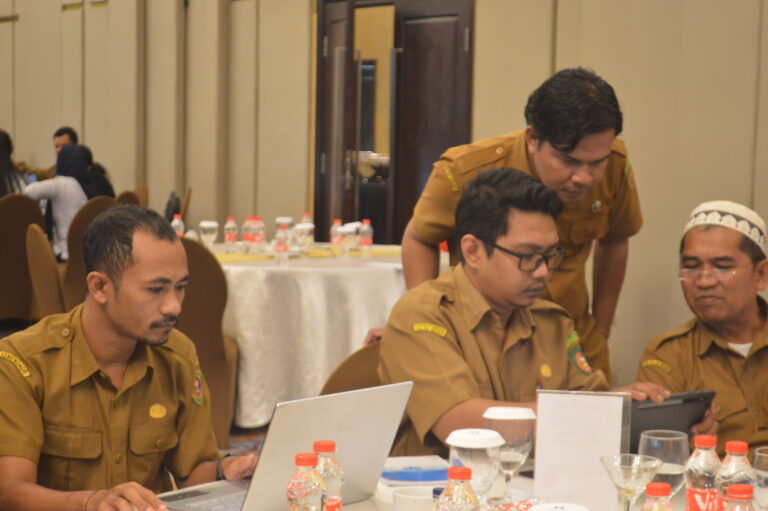
Maluku Strengthens Lawamena Portal to Advance Integrated Data Governance
Since launching the Lawamena Satu Data Portal on 25 May 2026, the Maluku Provincial Government has continued to strengthen the quality, integration and use of regional development data. With support from SKALA, stakeholders convened a consolidation forum and a guidelines workshop in Ambon in August 2026 to review progress, identify priority datasets such as more detailed disability data, and refine
Read More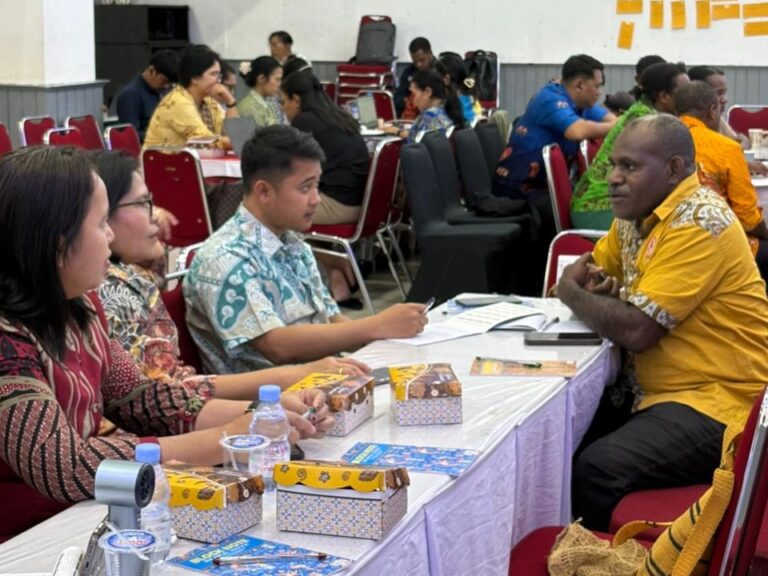
Papua Tengah Strengthens Gender-responsive Planning to Support Poverty Reduction and Basic Services
Papua Tengah is strengthening links between poverty reduction, gender equality and basic service delivery in regional development planning, with a poverty rate of 30.41 per cent as of March 2026 against 8.07 per cent nationally. At a coordination meeting in Nabire on 3–4 September 2026, about 100 participants from provincial agencies and six districts, supported by SKALA, applied the Gender
Read More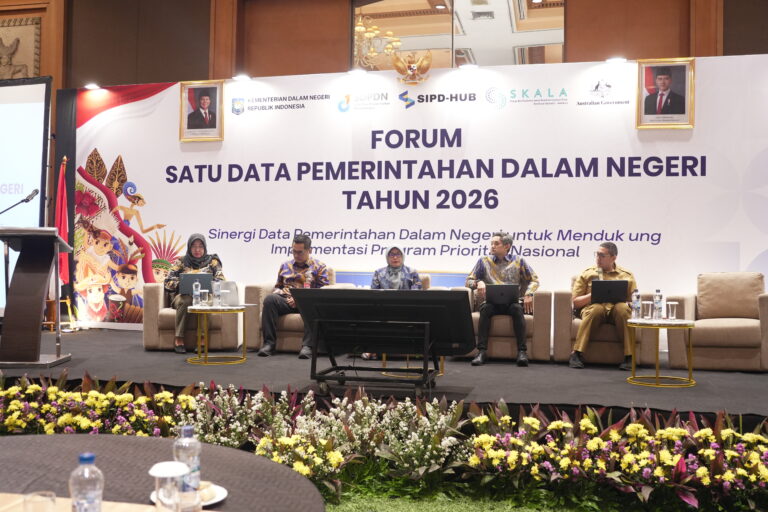
Better Data Governance Helps Target Programs where They Are Needed Most
The 2026 Satu Data for Domestic Governance (SDPDN) forum, convened by the Ministry of Home Affairs (MoHA) on 22 September in Jakarta, brought national and subnational governments together to strengthen data governance as the foundation of regional development planning. The forum reinforced the principle of "integration, not centralisation," stressed the need to connect data with planning, budgeting and evaluation, and
Read More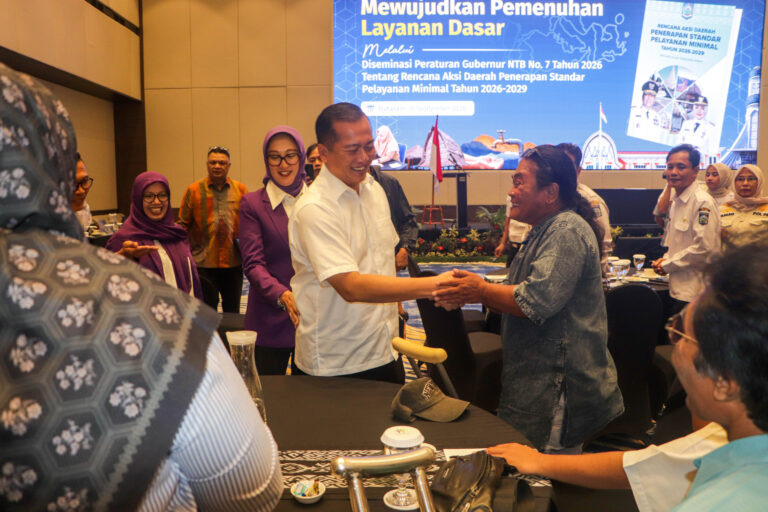
NTB Strengthens its Commitment to Basic Service Delivery through A New Action Plan
The Nusa Tenggara Barat (NTB) Provincial Government launched its 2026–2029 regional action plan for implementing the Minimum Service Standards (SPM) at a forum in Mataram on 16 September 2026. NTB Governor Regulation No. 7 of 2026 provides the plan's legal basis. The plan gives government agencies a shared reference for delivering 14 SPM across six basic service sectors. At the
Read More
Strengthening Locally Generated Revenue to Expand Fiscal Space and Improve Basic Services
Strengthening locally generated revenue (Pendapatan Asli Daerah/PAD) is key to expanding regional fiscal space to finance development and improve basic services. At the Strategic Coordination Forum on PDRD, organised by Indonesia's Ministry of Home Affairs with support from SKALA in Bekasi, regional leaders from 13 provinces discussed strengthening PAD by broadening the tax base, improving data quality, and advancing digitalisation—without
Read More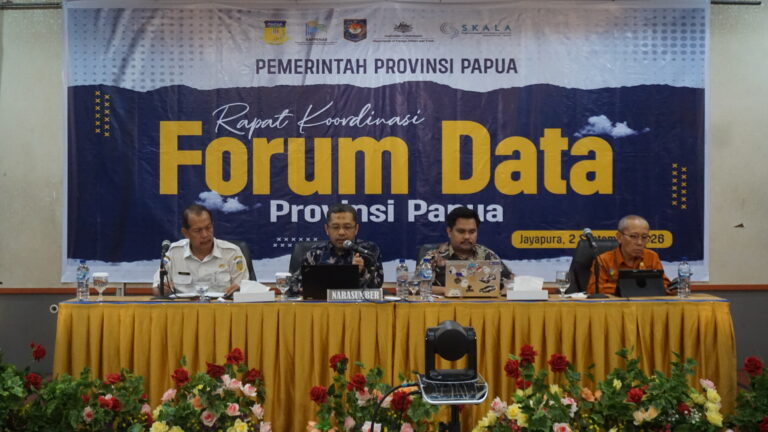
Papua Province Strengthens Integrated Data Governance through The Satu Data Forum
The Papua Provincial Government is strengthening integrated data governance through the 2026 Satu Data Forum Coordination Meeting in Jayapura. With 555 data entries registered and 74.6 per cent completed, the forum agreed on preparing the 2027 Data List, the 2027–2030 Satu Data action plan, and revitalising the PAITUA data portal. SKALA is supporting efforts to improve data quality and consistency
Read More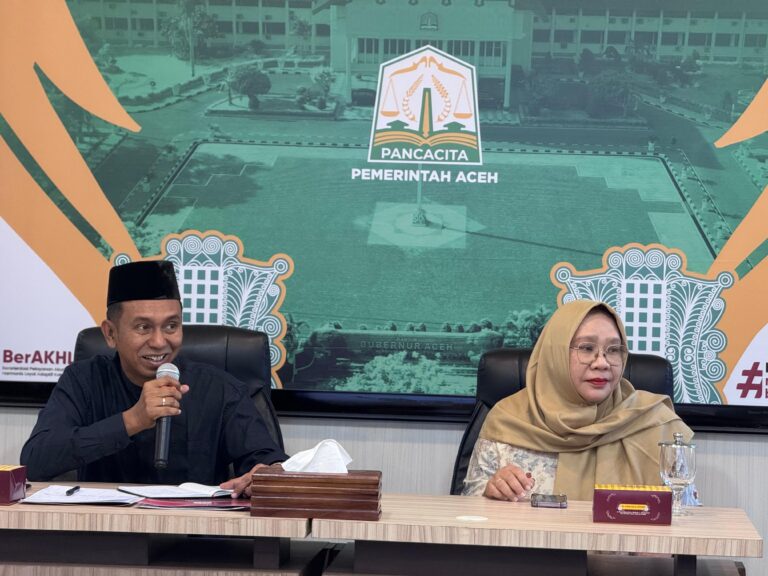
Knowledge Exchange between Maluku and Aceh Strengthens Basic Service Delivery
The delegation from the Maluku Provincial Government visited Aceh on 28 August 2026 to learn how Aceh coordinates, supports and monitors the implementation of the Minimum Service Standards (SPM). Facilitated by SKALA, this knowledge exchange highlighted Aceh’s experience in integrating the SPM into the planning and budgeting cycle, utilising data including the DTSEN, running SPM consultation clinics, and updating post-disaster
Read More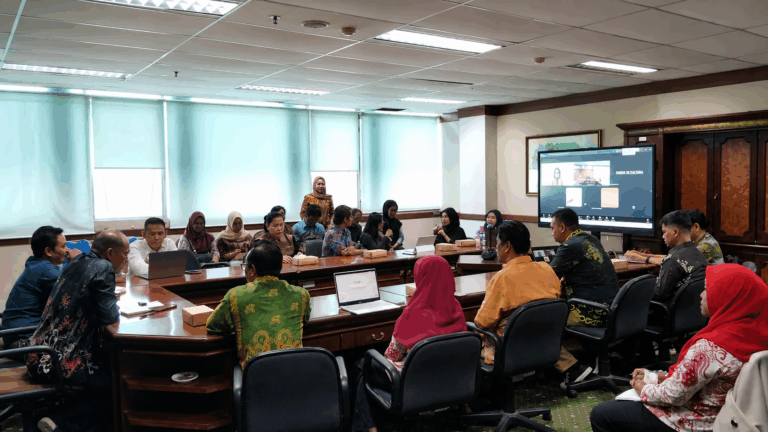
Nunukan in North Kalimantan Prepares to Update Disability Data
The North Kalimantan Provincial Government, together with the Nunukan District Government, is preparing a pilot scheme to update disability data as part of the implementation of the North Kalimantan Province’s Single Disability Data Guidelines. Nunukan was chosen due to the characteristics of its territory, which encompasses mainland, island and border areas, thus requiring a data collection approach capable of reaching
Read More