


Strengthening Locally Generated Revenue to Expand Fiscal Space and Improve Basic Services

As development financing needs continue to grow, many local governments still have limited fiscal space. Notably, the potential of locally generated revenue (Pendapatan Asli Daerah/PAD) is yet to be fully realised because of challenges related to data, administration, compliance and uneven use of technology.
Strengthening PAD will help to increase the capacity of local governments to finance development and basic services. This will require broadening the tax base, improving data quality and administration, and advancing digitalisation, while also ensuring that revenue policies do not increase the burden on communities or weaken regional competitiveness.
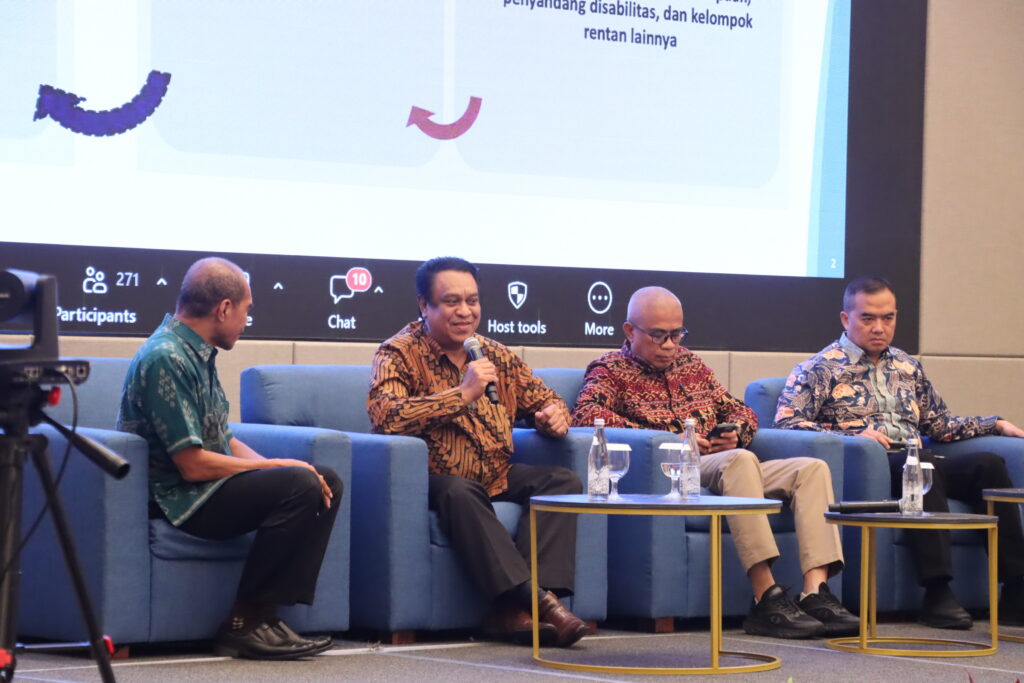
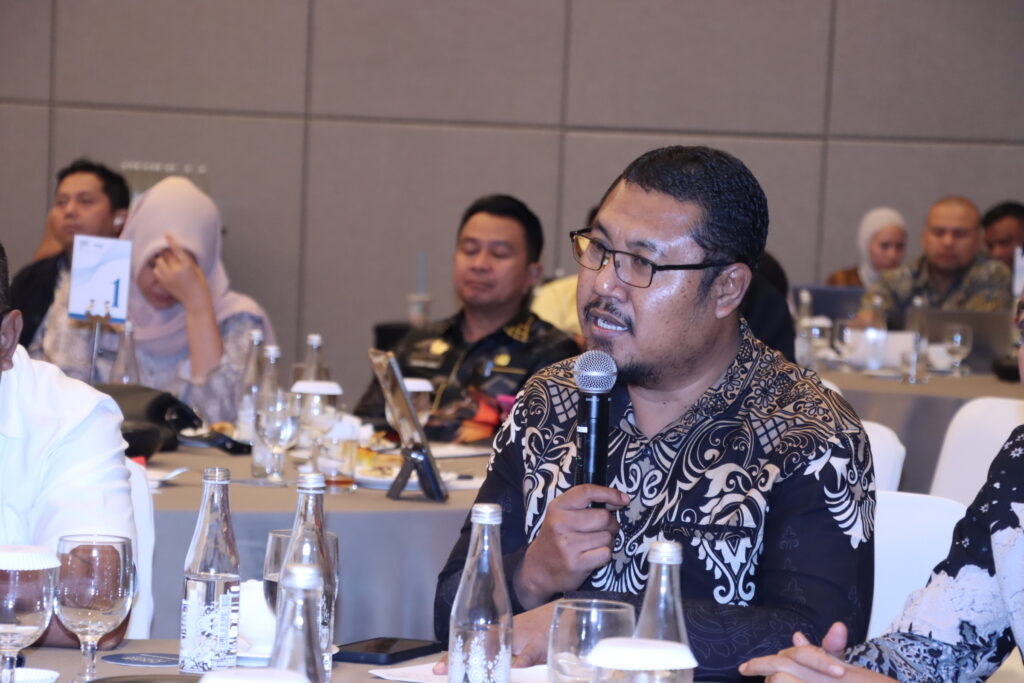
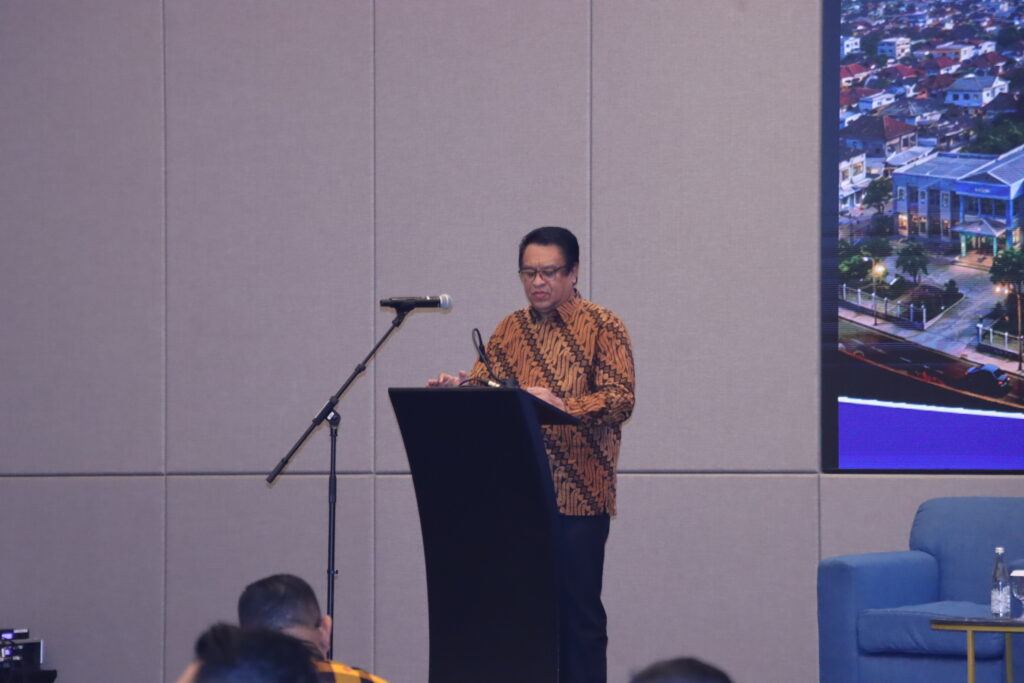
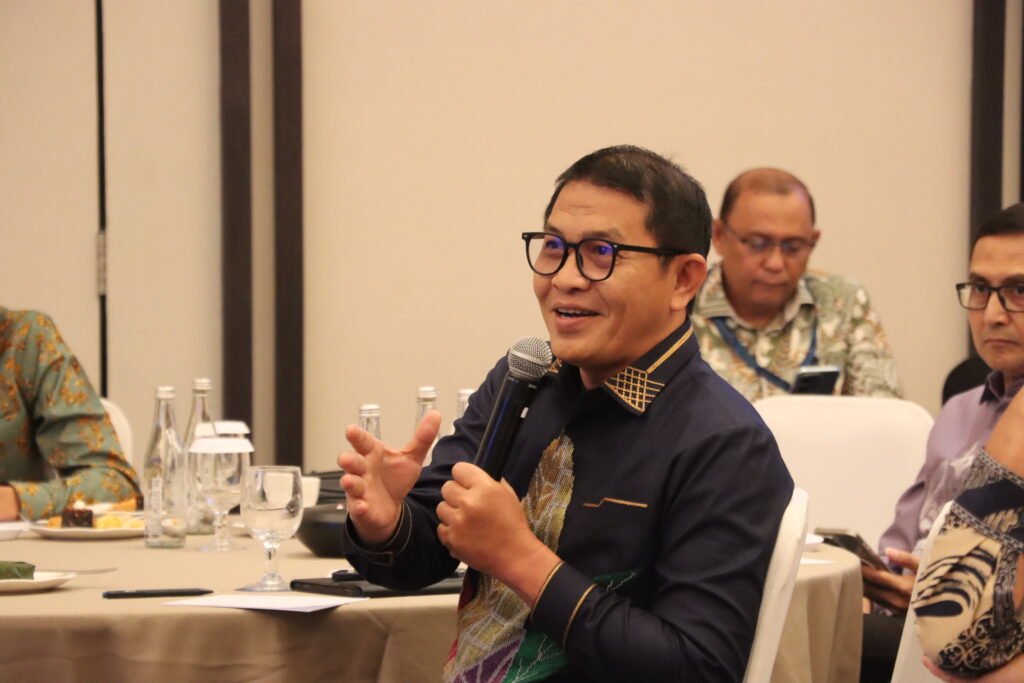
These issues were discussed at the Strategic Coordination Forum on the Implementation of PAD Policy through Local Taxes and Levies (PDRD), organised by the Ministry of Home Affairs on 3–4 September 2026 in Bekasi. The forum brought together regional leaders and officials responsible for revenue and finance from 13 provinces to discuss stronger regulations, data, digitalisation and innovation in PAD management.
PAD as an instrument for development
Supported by SKALA, the Australia–Indonesia partnership program, the forum positioned PAD within a broader context: strengthening fiscal capacity to finance regional development and improve the quality of public services. Fiscal pressure remains a challenge given that the dependence on intergovernmental transfers is still relatively high, while the fiscal space to advance development has become increasingly constrained.
PAD management therefore needs to move beyond revenue targets to a more evidence-based, integrated and digital approach that also encourages voluntary compliance.
At the forum, Deputy Minister of Home Affairs Bima Arya Sugiarto encouraged regional governments to move away from approaches that focused too heavily on increasing revenue targets. He said stronger PAD should go hand-in-hand with better public services and regional economic growth.
“There are five types of regions in responding to fiscal pressure: survivor, adapter, fragile, transformer and underperformer. And make no mistake, strong growth does not always come from strong fiscal capacity,” Deputy Minister Sugiarto said.
Deputy Minister Sugiarto highlighted examples of regions with relatively limited PAD that had still achieved strong economic growth through institutional reform, digitalisation of payments and reporting, and stronger inter-agency collaboration.
He also said that efforts to increase revenue should focus on broadening the tax base rather than simply raising tax rates in ways that place a greater burden on taxpayers. This approach was important to ensure that stronger PAD remained aligned with people’s ability to pay, the investment climate and regional competitiveness.
The Ministry of Finance (MoF) shared a similar perspective: if optimising PAD focuses too heavily on higher tax rates, there is a risk of placing an unequal burden on individuals and businesses. Conversely, tax exemptions that are not carefully assessed can reduce the fiscal capacity of regional governments to finance public services.
At the forum, Junior State Finance Analyst at MoF’s Directorate General of Fiscal Balance, Irfan Sofi, said an extreme focus on PAD targets was best avoided.
“If regions push PAD too aggressively, tax rates can be raised too high – the result is that investors do not come in, competitiveness declines, and the burden on communities increases,” he said.
Data and digitalisation as a foundation
Efforts to narrow the ‘tax gap’ face challenges related to data quality. In many regions, data on taxpayers and taxable objects are not yet fully updated or integrated, while tax-related information remains dispersed across different government agencies and institutions. This makes it difficult for local governments to accurately assess their real revenue potential.
Discussions during the forum revealed that stronger PAD management would need data sources that go beyond the databases that local revenue agencies already hold. Integrating information on taxpayers, taxable objects, business permits, motor vehicles, consumption and utilities, geospatial data, payments and arrears, audits, collection and enforcement will be vital to create a more integrated source of PAD data.
Data exchange for the motor vehicle tax (PKB) and motor vehicle title transfer fee (BBNKB), for example, could be better coordinated to support local tax collection strategies. The opsen regional tax mechanism could also be better arranged so as to strengthen collaboration between provincial and district/city governments on managing revenue.
Director of Regional Revenue at the Ministry of Home Affairs, Teguh Narutomo, highlighted the importance of collaboration across all levels of government and spoke about new ways to support regional development.
“One of our tasks is to support economic growth through infrastructure development so that the economy can move ahead in every region. We will also initiate creative financing approaches as a breakthrough for our colleagues in the regions,” he said.
Better data goes hand-in-hand with digitalisation. Electronic payment and reporting systems can make services easier for the public, improve transparency, reduce the risk of leakage, and help governments assess revenue potential more accurately. Regional practices shared during the forum included QRIS-based levy payments, split payment mechanisms, and revenue management applications that integrate data and payment processes.
Developing revenue potential based on regional characteristics
Each region has a different economic base and revenue potential. For this reason, strategies to strengthen PAD need to be adapted to the characteristics and opportunities of each region.
Deputy Minister Sugiarto encouraged regional governments to use a co-creation approach involving taxpayers, businesses, universities, communities and other interested parties.
“My suggestion is to do co-creation – not just collaboration. Sit together, invite taxpayers … to find more valid data. Don’t get trapped in an overly rigid bureaucratic approach,” he said.
He added that this approach could help governments gain better information about local economic potential, while also supporting more realistic and implementable policies.
For regional governments, stronger PAD also means greater space to finance development. Aceh Selatan Regent Mirwan MS described the forum as an important opportunity to make local tax and levy management more effective, transparent and digitally enabled.
“Optimising PAD through PDRD is expected to strengthen regional fiscal capacity so that local governments have greater space to finance development and improve services for the community,” Mr Mirwan said.
Connecting PAD with basic services
Forum speakers encouraged regional governments to translate the discussions into concrete actions, including identifying new sources of PAD, strengthening revenue-base expansion and innovation, and preparing action plans with clear targets, programs, responsible agencies, timelines and indicators of success.
Speakers at the forum also made the case for local revenue policies to consider the different circumstances and needs of communities. Aceh and Nusa Tenggara Timur shared their experiences of offering motor vehicle tax concessions for people with disability (designed to offer tax relief but concurrently raise compliance). These examples showed that stronger PAD can be pursued alongside more inclusive policies.
SKALA supports efforts to strengthen local government capacity in PDRD management. This includes strengthening policy and capacity, improving the use of data, and facilitating coordination to support more effective PAD management that reflects the context of each region. Looking ahead, PAD reform will need to focus on building healthier and more sustainable sources of local revenue. With more accurate data, a broader tax base, stronger administration and digitalisation, and policies that consider the circumstances of communities and businesses, PAD can strengthen regional fiscal space to finance development and improve the quality of basic services.