


National Data System Strengthens Planning and Services Across Papua
In many Indonesian provinces, particularly in remote and vulnerable areas, public services do not always reach the communities that need them most. One key reason is that development planning is not yet fully supported by reliable and integrated data. In practice, data is often fragmented, inconsistent and difficult to use. These challenges reflect persistent gaps in how subnational governments manage and use data.
Socio-economic data is often scattered across multiple sources, with inconsistent definitions and systems that are not yet fully integrated. Limited analytical capacity within subnational agencies further constrains their use of this data in planning. This limit provincial governments’ ability to ensure development initiatives respond to community needs, as is the case across the six provinces of Tanah Papua.
To address these challenges, the Ministry of National Development Planning (Bappenas) introduced SEPAKAT in 2019, an integrated data platform to support planning, budgeting and development monitoring. The platform brings together a range of macro and micro data sources, including National Socio-Economic Data (DTSEN), which is used to analyse community welfare and better target development initiatives.
Strengthening Implementation through Regional Collaboration
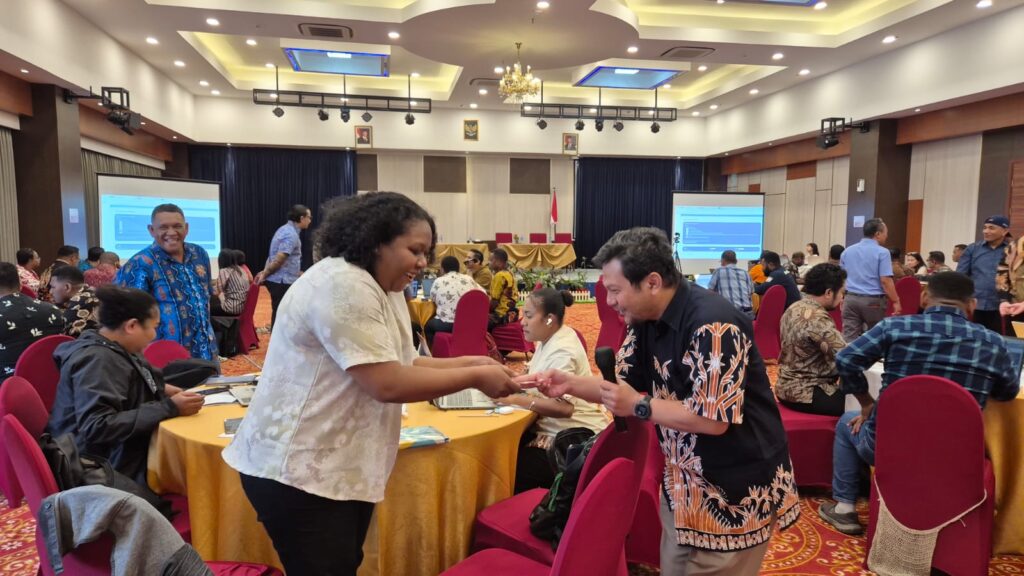
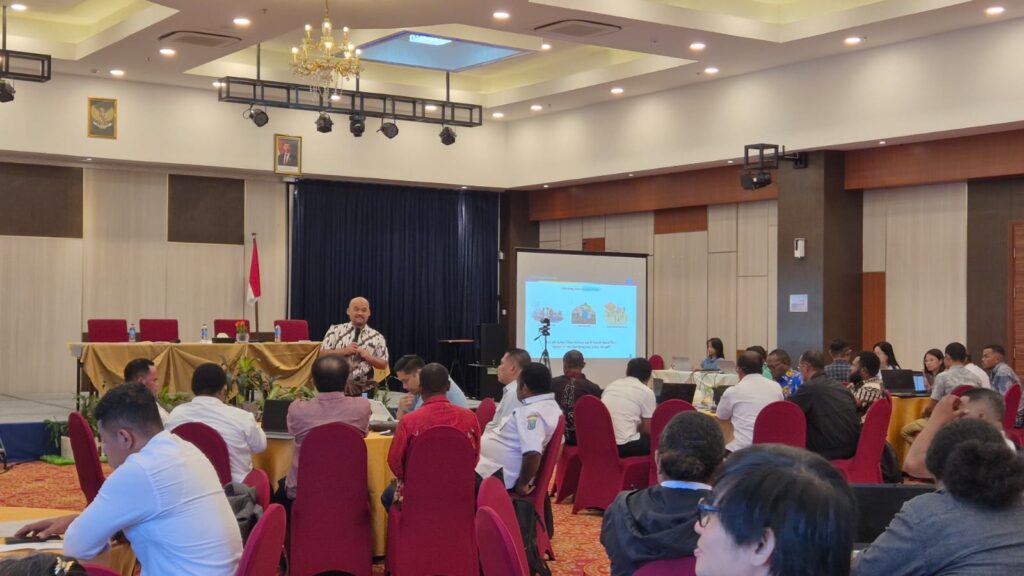
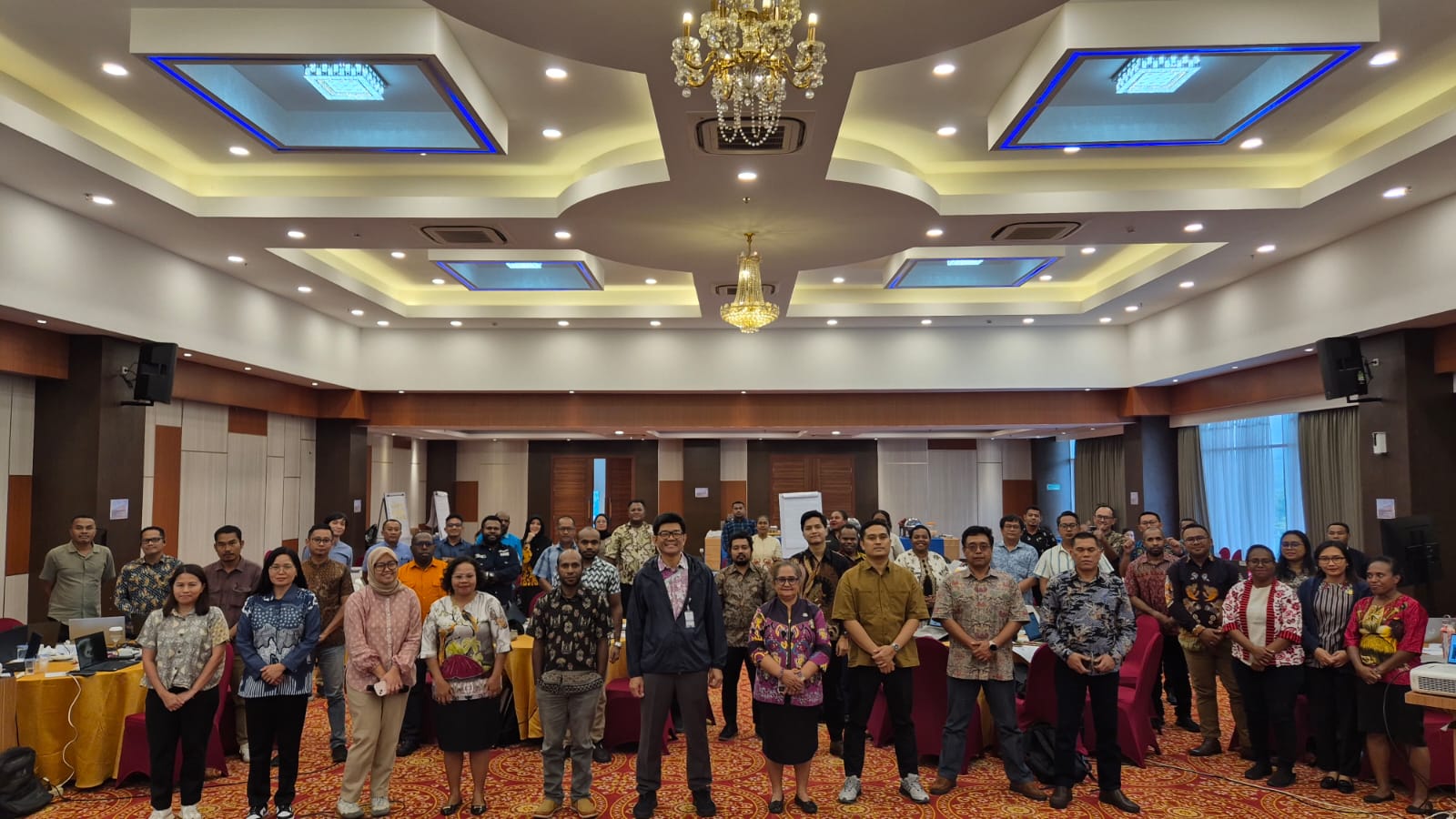
To strengthen the use of SEPAKAT across Tanah Papua, Bappenas held a workshop in Sentani, Jayapura, in February 2026. The event brought together officials from across Tanah Papua’s six provinces, including representatives from planning, social services, health and education agencies. Bringing these sectors together helps strengthen coordination in data use and supports more integrated planning.
Bappenas’s Director of Population and Social Protection, Muhammad Cholifihani, emphasised the importance of turning data into policies that deliver real impact for communities.
‘Success in meeting national development targets like poverty reduction and human development depends on the quality of data and the analytical capacity of subnational governments,’ he said.
Participants echoed this, highlighting the immediate value of the platform in their work.
Nency Titty L. Wyzer, Acting Head of the Public Works and Spatial Planning Office (PUPR) of West Papua Province said, ‘The data available through SEPAKAT is extremely useful and helps us support local development planning.’
From Data to Action in Development Planning
SEPAKAT also includes a range of analytical features that help local governments identify development challenges, assess community welfare and design more targeted policy responses. The platform includes an ‘Analysis Canvas’ function that connects data findings to official planning documents, such as five-year development plans (RPJMD) and annual work plans (RKPD). Workshop participants highlighted the practical value of these tools.
‘This is an excellent workshop. We see SEPAKAT becoming the primary tool in our planning programs and activities,” said the representative of Southwest Papua Provincial Communication and Information Office, Ira Dessy Maryana Gultom.
Building Skills for Evidence-based Planning
Participants not only learned how to use SEPAKAT but also strengthened their data literacy and understanding of how analyses support more effective development planning.
The workshop used a participatory approach, combining presentations, hands-on practice and group discussions. This allowed participants to apply SEPAKAT’s analytical features directly while sharing the challenges they face in their respective regions.
Participants took part in a range of practical sessions, including analysing macro and micro data, using thematic analysis features, and developing an Analysis Canvas to support the preparation of regional planning documents.
The training improved participants’ understanding of how to use data in development planning. Pre- and post-test results showed that average scores increased from 40% to 70%.
Partnerships Support Stronger Data Use
This initiative highlights the importance of collaboration between national and subnational governments in strengthening the use of data, demonstrating a shared commitment to making data an integral part of development planning.
The workshop, led by the Ministry of National Development Planning (Bappenas) and supported by the Australia-Indonesia Partnership Program, SKALA (Synergy and Collaboration for the Acceleration of Basic Services), helped participants use macro data, such as Susenas and Sakernas, as well as micro socio-economic data more effectively and better integrate SEPAKAT into development planning.
Through this collaboration, local governments are expected to make greater use of data to develop policies that respond more effectively to community needs.
Next Steps to Sustain Progress
As a follow-up to the workshop, several next steps are planned. These include continued support to help local governments use DTSEN, improved access to the SEPAKAT platform, efforts to align local microdata with DTSEN and monitoring the implementation of participants’ action plans.
With stronger data analysis capacity and better cross-sector coordination, local governments across the Papua region can develop more targeted, inclusive and responsive policies.