


Keeping Basic Services Running during Regional Leadership Transitions
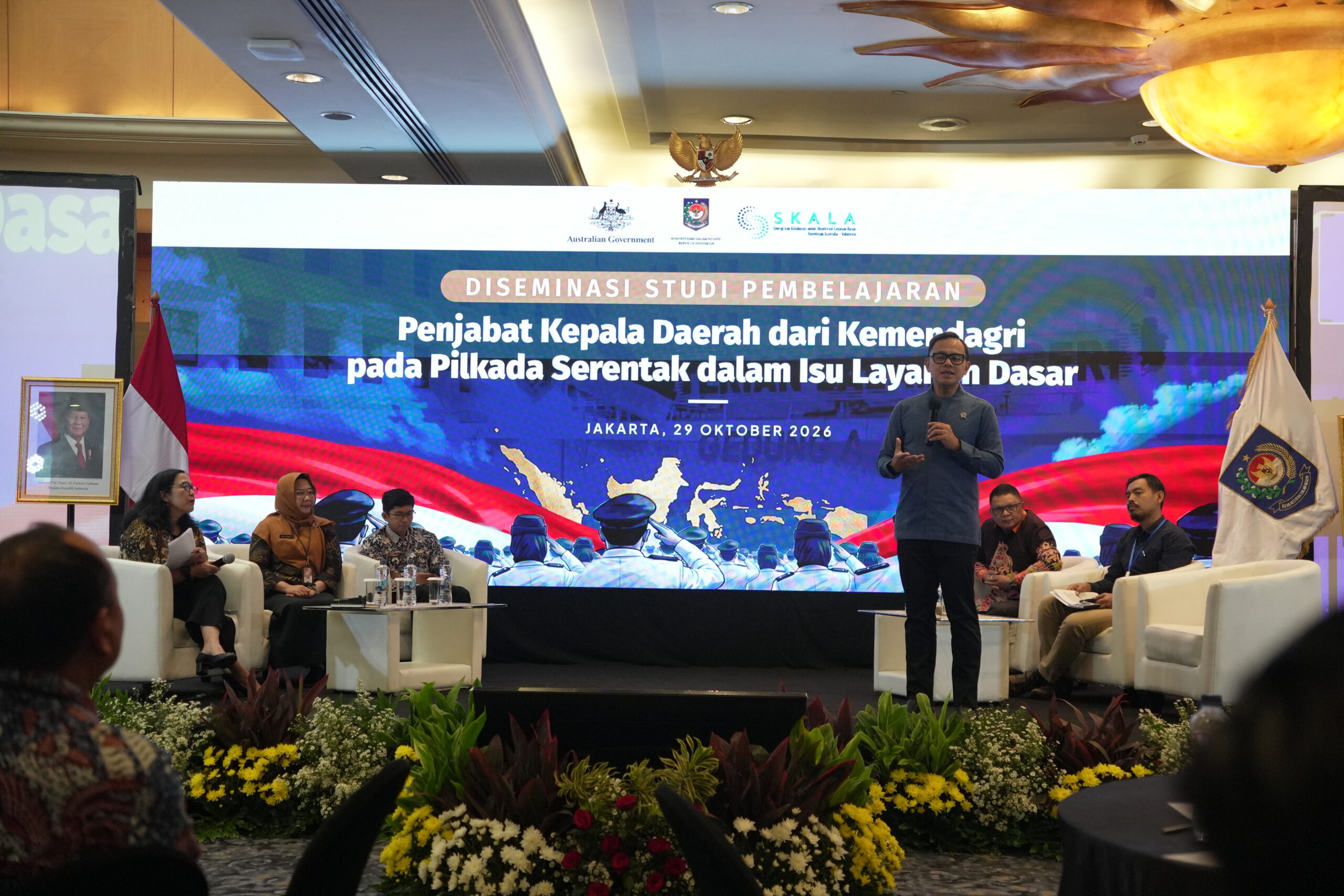
The Ministry of Home Affairs has published a learning study about how 12 Acting Regional Heads managed local government operations and maintained essential public services during Indonesia’s regional election transitions in 2024.
Changes in regional leadership are part of the democratic process. However, these transitions should not disrupt the services that communities depend on. Education, healthcare, civil registration and other essential public services must continue to function as local governments undergo changes in leadership.
This was a key challenge faced by Acting Regional Heads (Penjabat Kepala Daerah) during Indonesia’s simultaneous regional elections in 2024. Appointed to lead local governments for limited periods, these officials were responsible for maintaining government operations, ensuring the continuity of development programs and responding to local needs.
The experiences of 12 Acting Regional Heads are documented in a newly published learning study: Keeping local government running during leadership transitions: Lessons from Acting Regional Heads on basic service delivery.
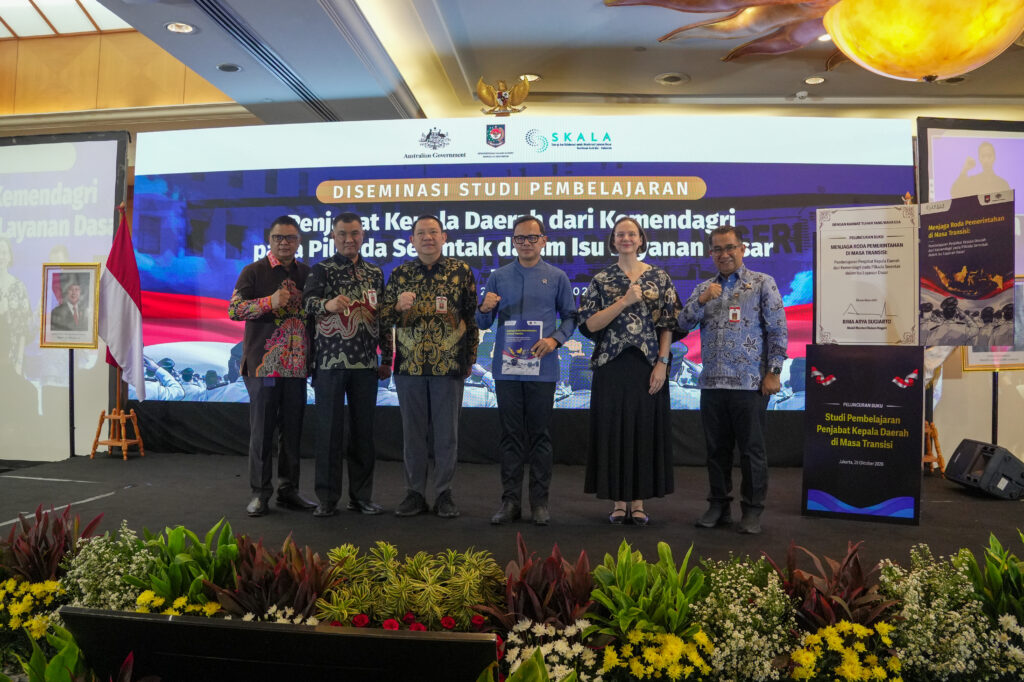
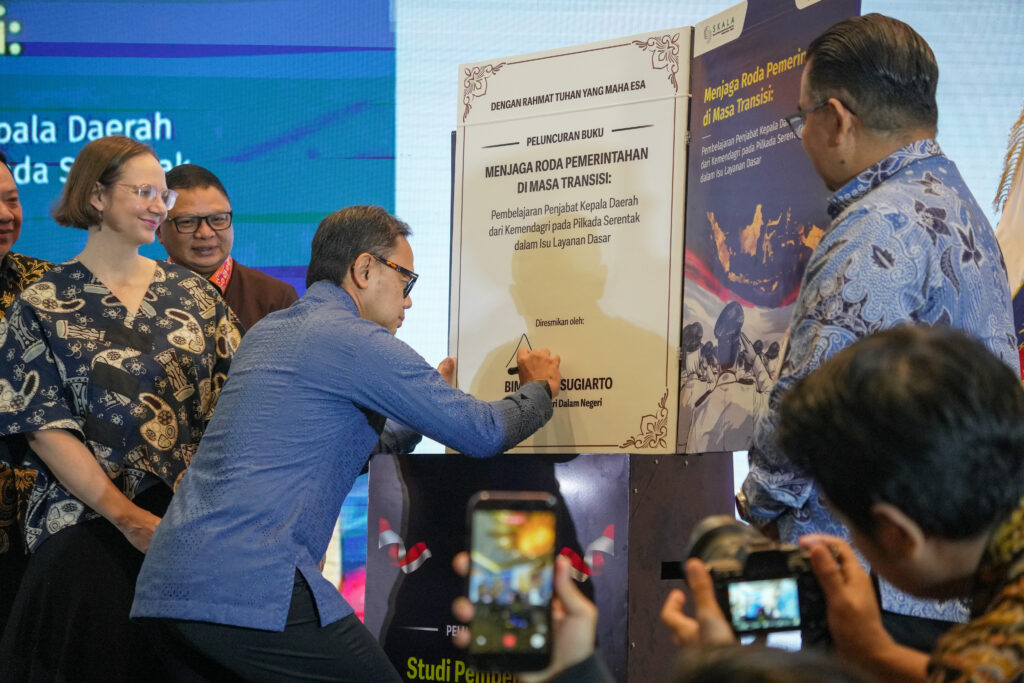
The learning study– developed by the Ministry of Home Affairs (MoHA) with support from an Australia–Indonesia partnership program, SKALA – Synergy and Collaboration for the Acceleration of Basic Services, was launched in Jakarta on 29 October 2026.
It brings together experiences, challenges and lessons as to how to maintain effective local governance and ensure the continuity of basic services during leadership transitions.
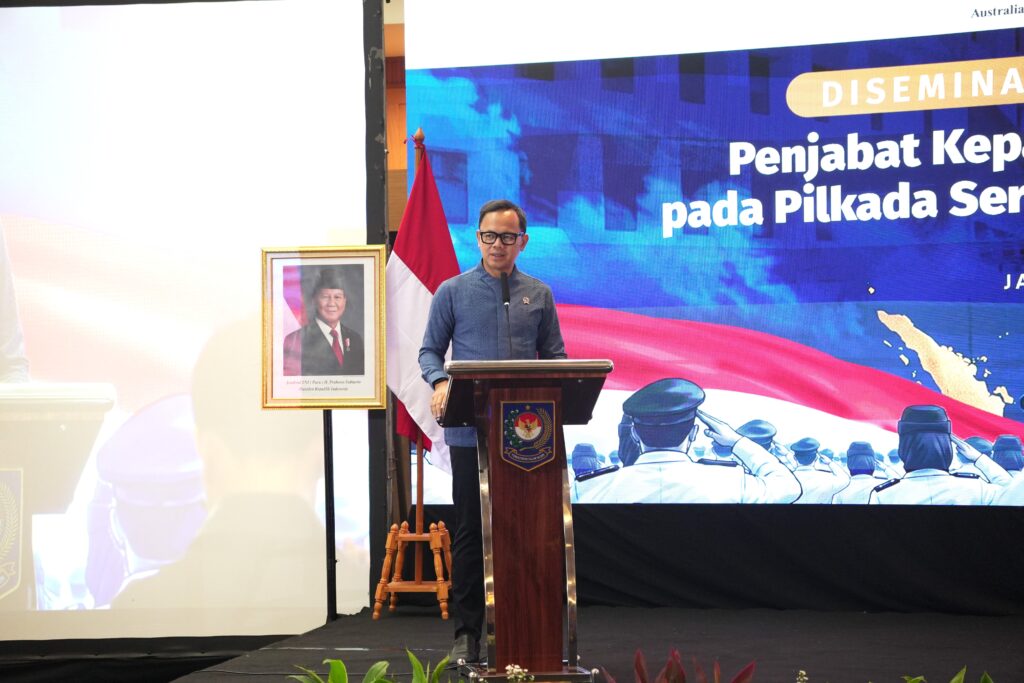
At the launch, the Vice Minister of Home Affairs, Bima Arya Sugiarto, highlighted the distinct leadership challenges faced by Acting Regional Heads, whose appointments differ from those of directly elected regional leaders.
“Acting Regional Heads are appointed, not elected. From a political perspective, the legitimacy they hold is certainly different,” he said.
Sugiarto emphasised that building trust, communicating effectively and mobilising government agencies were essential elements of maintaining effective government operations.
“It all comes down to one thing: personal leadership,” he said.
Sugiarto also said it was important for government to make a tangible difference to people’s lives by making public services easier to access.
“It is not enough for the state to be present; it must also make people’s lives easier. Being present is the basic level; making things easier represents a higher level. Beyond that, the state should also contribute to people’s happiness,” he said.
Sugiarto described the learning study as a valuable resource for understanding leadership and local governance during transitions.
“I personally see this learning study as a very valuable resource for studying leadership,” he said.
Documenting experiences and practical lessons
Head of MoHA’s Cooperation Facilitation Centre and Chair of the Study Preparation Team, Ahmad Fajri, said the learning study aimed to capture the experiences of Acting Regional Heads during their assignments.
“This learning study was prepared to document the various experiences, strategies and innovations developed by Acting Regional Heads from MoHA during their terms of office. We hope the findings will serve as a reference for elected regional leaders and future Acting Regional Heads in strengthening local governance,” Fajri said.
Experiences from the districts of Bogor, Purwakarta and Maybrat illustrate three crucial lessons for maintaining government and public service continuity: sustaining established development priorities, keeping existing services accessible to communities, and addressing service delivery challenges that require sustained action beyond a single term of leadership.
In Bogor District, Acting Regent Asmawa Tosepu prioritised the continuity of development programs already established in the Regional development plan and Regional revenue and expenditure budget.
During his assignment, Tosepu addressed a range of local challenges, including education, stunting, waste management, clean water provision, traffic and mining-related issues.
His experience highlighted the importance of maintaining development priorities through established planning and budgeting frameworks. These frameworks provide continuity and help ensure that leadership changes do not automatically result in shifts away from already-agreed development priorities.
In Purwakarta District, Acting Regent Benni Irwan demonstrated how established public service programs could continue to benefit communities across successive administrations.
Irwan maintained the Gempungan di Buruan Urang Lembur program, a village-level public service initiative introduced in 2008 under former Regent Dedi Mulyadi and subsequently continued by Regent Anne Ratna Mustika.
Through regular activities held in villages, residents can access various government services at a single location. These include civil registration, health examinations, family planning, motor vehicle tax services, affordable food programs, and agricultural and livestock services.
Purwakarta’s experience shows the value of sustaining public service initiatives that communities already know and use. Maintaining these established services helps protect access to essential support during changes in local leadership.
Meanwhile, the experience of Bernhard E. Rondonuwu in Maybrat District, Papua Barat Daya, illustrates the challenges of maintaining basic services in areas affected by geographical barriers and conflict.
These circumstances have affected access to schools and healthcare facilities, alongside shortages of service personnel.
In the health sector, Rondonuwu worked to improve health facility infrastructure, strengthen the skills of health workers, accelerate the accreditation of community health centres (puskesmas) and advance the completion of Maybrat’s Pratama Regional General Hospital.
However, several challenges required further work. With a limited term of office, some of these efforts needed the attention of the next administration.
Maybrat’s example demonstrates how important it is to understand local circumstances and use accurate data to identify service needs and priorities. Improving access to basic services, particularly in areas facing complex challenges, requires sustained effort and coordination across successive administrations.
Together, these three different experiences show that maintaining services during leadership transitions depends on clear development priorities, institutional continuity and approaches that reflect local circumstances.
They also offer practical lessons for future regional leaders about how to build on existing programs while addressing challenges that require longer-term commitment.
Ensuring the continuity of basic services
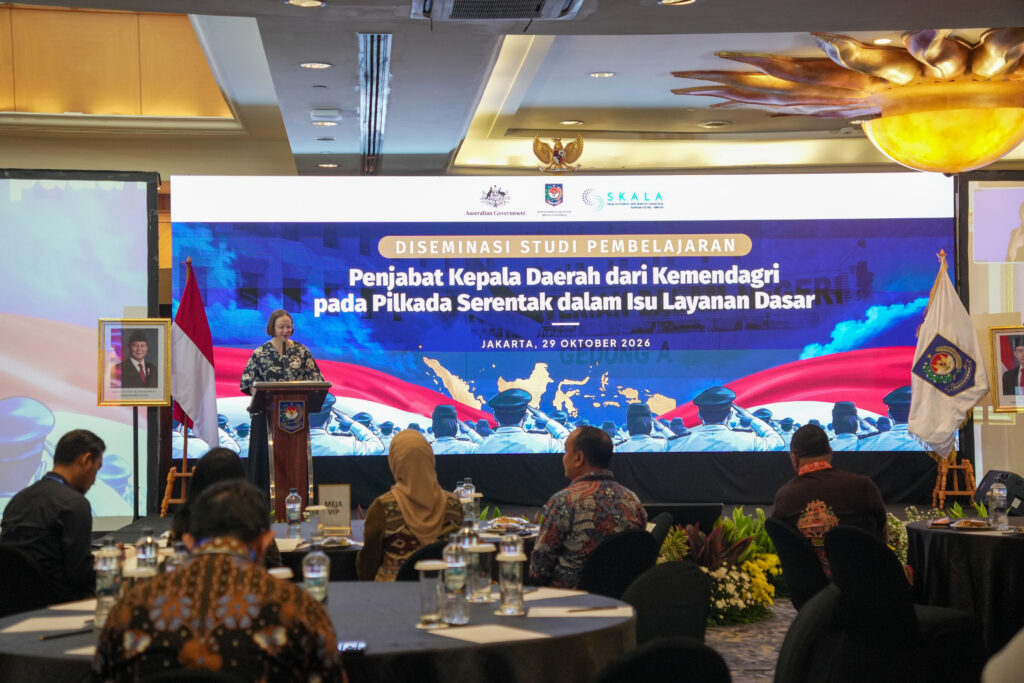
Counsellor for Governance and Human Development at the Australian Department of Foreign Affairs and Trade, Australian Embassy in Jakarta, Joanna O’Shea, emphasised that changes in leadership should never interrupt the delivery of public services.
“Leadership transitions are an important part of democracy. However, services to communities must continue,” she said.
Ms O’Shea said that throughout any period of political transition, it was crucial to maintain access to education, healthcare, clean water, sanitation and social protection. Local governments needed to ensure that ongoing programs and budgets remained on track while maintaining bureaucratic neutrality.
Ms O’Shea also highlighted the need to understand local contexts. Urban areas, island communities and remote regions faced different challenges, requiring approaches that responded to their specific circumstances. Reliable data, effective coordination and an understanding of community needs were therefore essential for setting service delivery priorities.
Through its partnership with MoHA, SKALA supports efforts to strengthen local governance, promote the use of data and improve inclusive basic service delivery. The lessons documented in Keeping local government running during leadership transitions provide a practical reference for current and future regional leaders. By maintaining development priorities, sustaining established services and ensuring that longer-term challenges receive continued attention, local governments can help safeguard public service delivery throughout changes in leadership.