

Indonesia Strengthens General Allocation Fund Policy to Better Respond to Regional Needs
Delivering healthcare services in remote areas often involves costs that are not fully reflected in government budget calculations. In Papua Tengah, transporting an ambulance from Timika to Sinak in Puncak District once cost more than the vehicle itself.
According to Head of the Papua Tengah Provincial Financial and Asset Management Agency (BPKAD), Alexander Monansa, the ambulance in that case cost IDR 500 million, but the cost of transportation between the two locations reached IDR 700 million.
This experience illustrates the kinds of challenges that regional governments face in delivering basic services. Island geography, long distances, limited accessibility and high logistics costs mean that the resources required to provide public services vary considerably across Indonesia. These differences highlight the importance of distributing the General Allocation Fund (Dana Alokasi Umum/DAU) to better reflect regional characteristics and community needs.
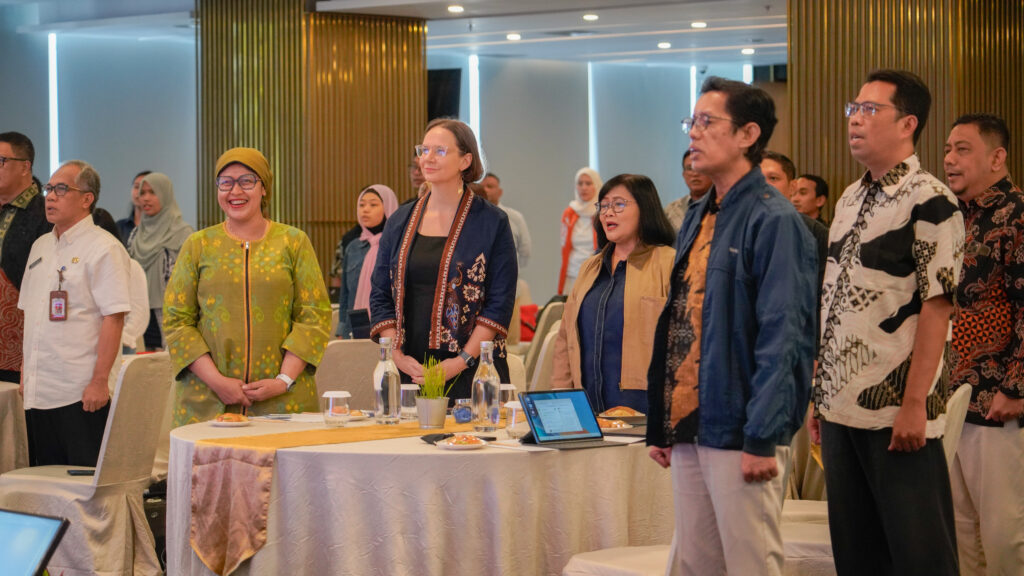
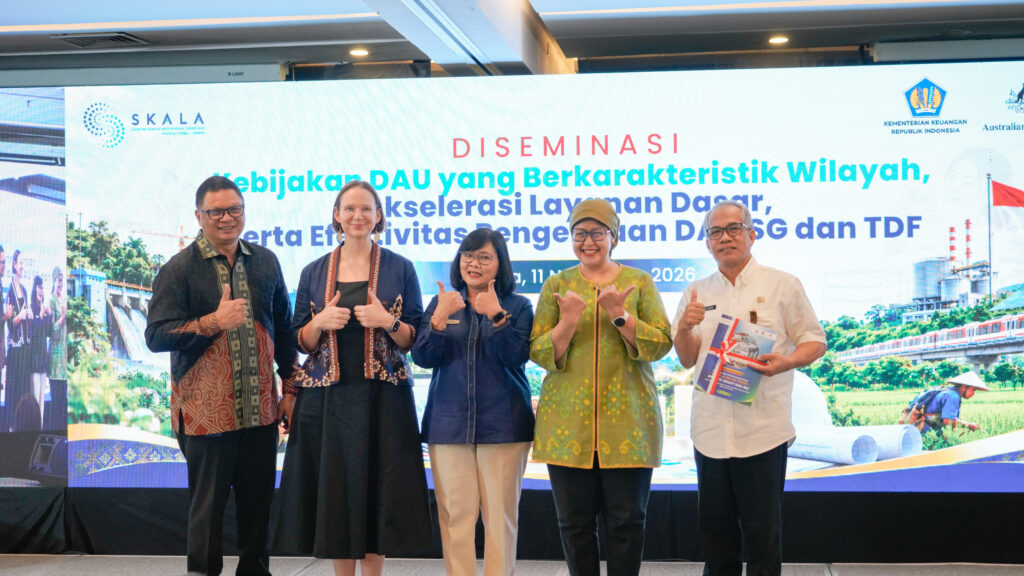
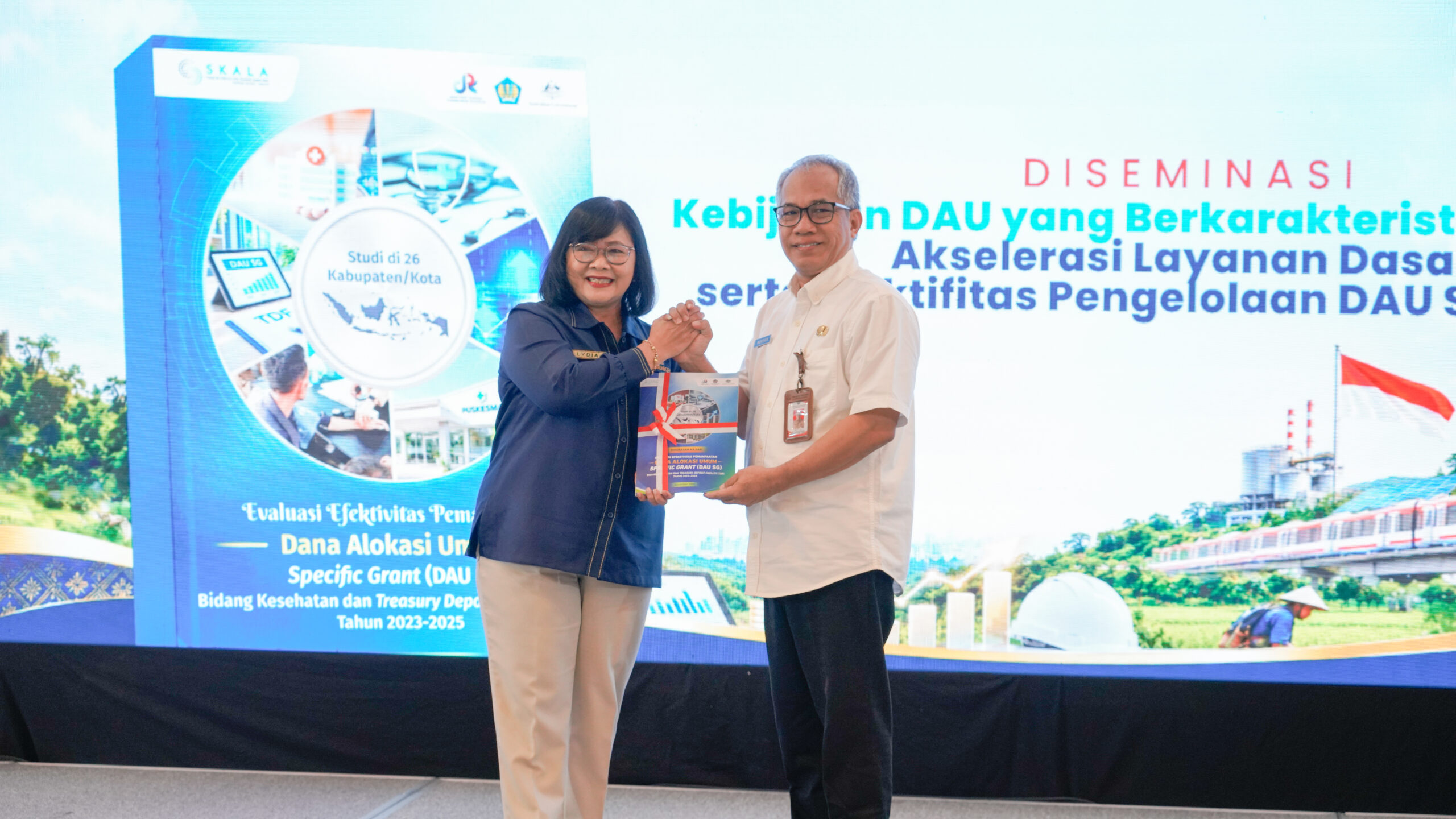
These issues were discussed at a public dissemination event entitled ‘Region-Sensitive DAU Policy, Acceleration of Basic Services, and Effectiveness of DAU Specific Grant (DAU SG) and Treasury Deposit Facility (TDF) Management’, organised by the Directorate General of Fiscal Balance (DJPK), Ministry of Finance, in Jakarta on 11 November 2026.
The event brought together national and regional government representatives to discuss improvements to DAU policy design, allocation mechanisms and financial management, with a focus on making fiscal transfers more responsive and equitable.
Director of Regional Taxes and Levies at the Ministry of Finance, Lydia Kurniawati Christyan, representing the Director-General of Fiscal Balance, Ministry of Finance at the event, said the DAU’s effectiveness should ultimately be measured by its contribution to reducing disparities between regions.
“The government allocates DAU to reduce disparities in fiscal capacity and public services between regions. When discussing this objective, the first question we must ask is whether these disparities in fiscal capacity and basic services are actually narrowing,” she said.
A more responsive DAU formula
The Indonesian Government continues to refine the DAU allocation formula to better reflect differences in regional fiscal needs.
Head of the DAU Planning Team at DJPK, Imam Sumarjoko, said the previous regional classification approach did not fully capture differences in operating costs, connectivity and the challenges of delivering public services.
For the 2027 fiscal year, the DAU formula incorporates two indices to reflect specific regional characteristics: an archipelagic index and an index for disadvantaged, frontier and outermost regions (3T regions).
The two indices serve different functions within the DAU formula. The archipelagic index contributes to the calculation of fiscal needs, while the 3T index forms part of the supplementary component of the fiscal gap calculation.
The government and the House of Representatives have also agreed ensure the regional DAU allocations for 2027 will not fall below their 2026 levels. Simulations have been conducted to assess how the revised formula would affect individual regions.
Regional governments provided important perspectives on these reforms at the event.
For example, Head of the Regional Development Planning, Research and Innovation Agency (Bapperida) of Kalimantan Utara Province, Bertius, said it was crucial to test whether the new indices accurately reflected conditions on the ground and delivered meaningful improvements in fiscal allocations and development outcomes.
Beyond the allocation formula, regional governments also highlighted the importance of retaining flexibility in planning and budgeting. Mr Monansa from Papua Tengah noted that the prescribed activities under the DAU SG could present challenges for newly established autonomous regions that needed to respond to urgent local priorities.
Meanwhile, Iqbal from Aceh’s BPKAD proposed allowing regional governments to prepare their DAU SG spending plans earlier, which would help to align funding with regional priorities and expenditure needs, particularly in education and health.
Linking public spending to better basic services
Strengthening DAU policy requires more than improving the allocation formula. How funds are spent and managed is as important as determining whether they contribute to better basic services.
Head of the DAU Policy and Evaluation Team at DJPK, Aditya Nur Yuslam, presented findings from a study evaluating the DAU SG for the health sector and the TDF across 12 provinces and 26 districts and municipalities between 2023 and 2025.
The study found the DAU SG remained an important source of healthcare financing, particularly for regions with limited fiscal capacity. However, total health-sector DAU SG allocations declined from IDR 26.02 trillion in 2023 to IDR 19.25 trillion in 2025, while less than 20 per cent of the funds were allocated to activities prioritised under the minimum service standards (Standar Pelayanan Minimal/SPM).
In 2025, 15 regional governments allocated more than a quarter of their health-sector DAU SG to civil servant salaries, while 11 allocated more than a quarter to health insurance contributions. Four regions did not allocate any health-sector DAU SG to priority SPM activities.
Average budget absorption also declined from 93 per cent in 2024 to 90.3 per cent in 2025. Meanwhile, the construction of healthcare facilities and procurement of medical equipment continued to face implementation challenges.
These findings demonstrate that high budget absorption does not necessarily translate into improved services. Expenditure needs to be assessed alongside service delivery outcomes, with greater attention directed to activities which specifically address healthcare gaps and contribute to achieving the SPM targets.
The study also examined the TDF as a regional cash management instrument. Although it found the TDF could help reduce idle funds and improve cash management efficiency, its implementation required closer alignment with regional expenditure schedules and financing needs.
In 2025, 27 regions withdrew funds during the placement period, highlighting the importance of better planning and monitoring to ensure that cash management arrangements support the timely implementation of public services.
Strengthening minimum service standards and regional flexibility
Responding to the study findings and feedback from regional governments, Head of the DAU Implementation Team at DJPK, Andi Ansar Firman, reminded attendees that the DAU SG was intended to support achieving SPM in accordance with Law No. 1 of 2022 on Fiscal Relations between the Central Government and Regional Governments.
Through Minister of Finance Regulation No. 2 of 2026, the government has further clarified three categories of activities financed by the DAU SG: SPM priority activities, sectoral priority activities and supporting activities.
Regional governments are also encouraged to use their SPM performance reports to guide the selection of activities financed through DAU SG, which would help to strengthen the link between expenditure planning and service delivery needs.
Mr Firman emphasised that progress towards achieving the SPM was closely linked to the flexibility extended to regional governments in managing their budgets.
“If regional governments want larger block grant allocations that provide greater flexibility, they need to comply with the regulations and improve their achievement of SPM. This will allow funding to shift towards the block grant mechanism,” he said.
This approach seeks to balance regional flexibility with accountability for delivering essential public services.
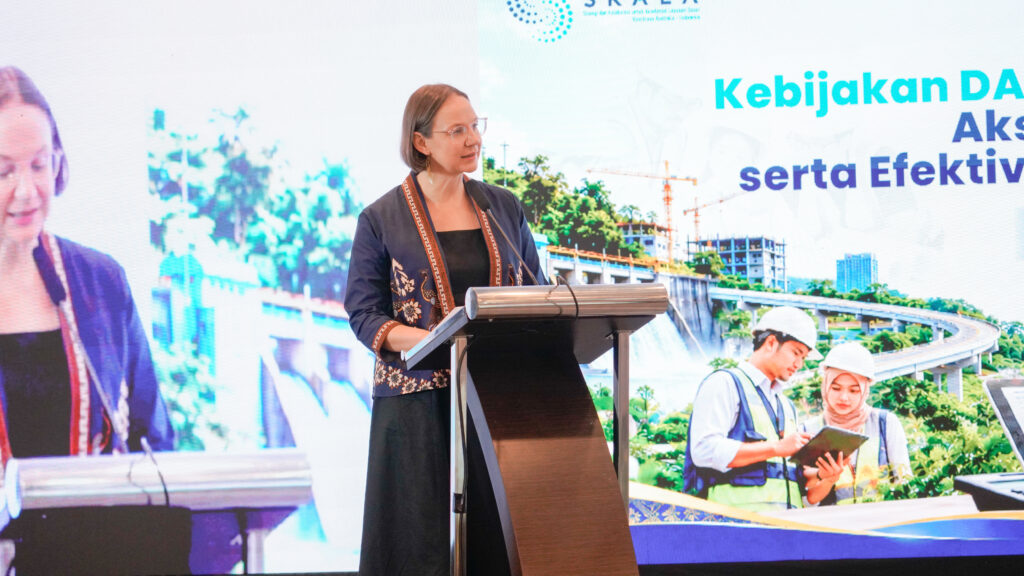
Counsellor for Governance and Human Development at the Australian Embassy in Jakarta, Joanna O’Shea, similarly emphasised that the success of fiscal transfer reforms should ultimately be measured by the benefits they deliver to communities.
“What matters most is how these funds help regional governments provide education, healthcare and other essential basic services more equitably and with better quality,” she said.
The public dissemination event was supported by SKALA (Sinergi dan Kolaborasi untuk Akselerasi Layanan Dasar), an Australia–Indonesia Partnership Program. Through SKALA, the Australian Government supports the Indonesian Government to strengthen public financial management so that regional budget allocations and expenditure better respond to community needs and contribute to more inclusive, equitable and high-quality basic services.