


Maluku Strengthens Lawamena Portal to Advance Integrated Data Governance
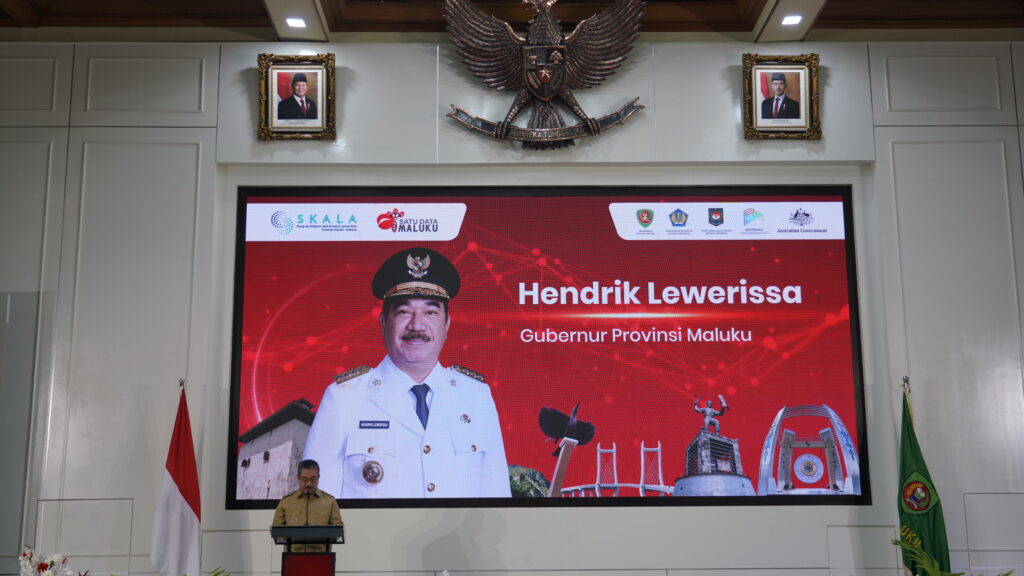
The Maluku Provincial Government is continuing to strengthen the Lawamena One Data (Satu Data) Portal, with a growing focus on improving the quality, integration and use of regional development data.
Recent efforts have focused on reviewing the implementation of Satu Data Maluku, strengthening the portal’s governance and operational guidelines, identifying priority datasets for further improvement, and ensuring that data available through Lawamena can increasingly support planning and decision-making.
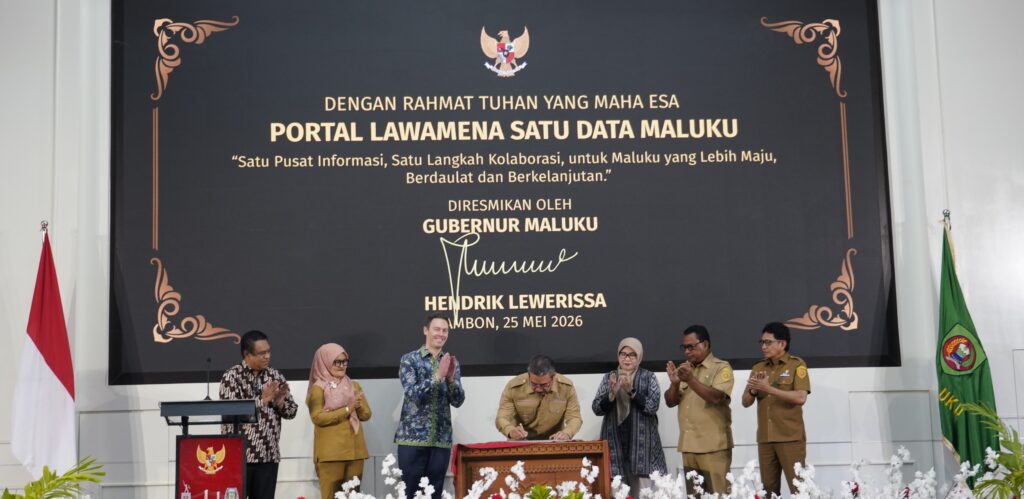
The Lawamena Portal was launched on 25 May 2026 as part of Maluku’s efforts to strengthen its regional data ecosystem and implement the Satu Data Indonesia policy, as mandated by Presidential Regulation No. 39 of 2019.
Since then, the process of integrating priority development data into the portal has continued. Data currently available includes information on staple food prices and inflation, which can support local governments in monitoring price stability, as well as strategic regional indicators including population data and the Farmers’ Terms of Trade Index (NTP).
The Provincial Government is also working to expand the range and level of detail of data available through the portal. One area identified for further improvement is data on people with disability. Currently, disability data in Maluku is disaggregated by gender but does not yet provide detailed information by type of disability.
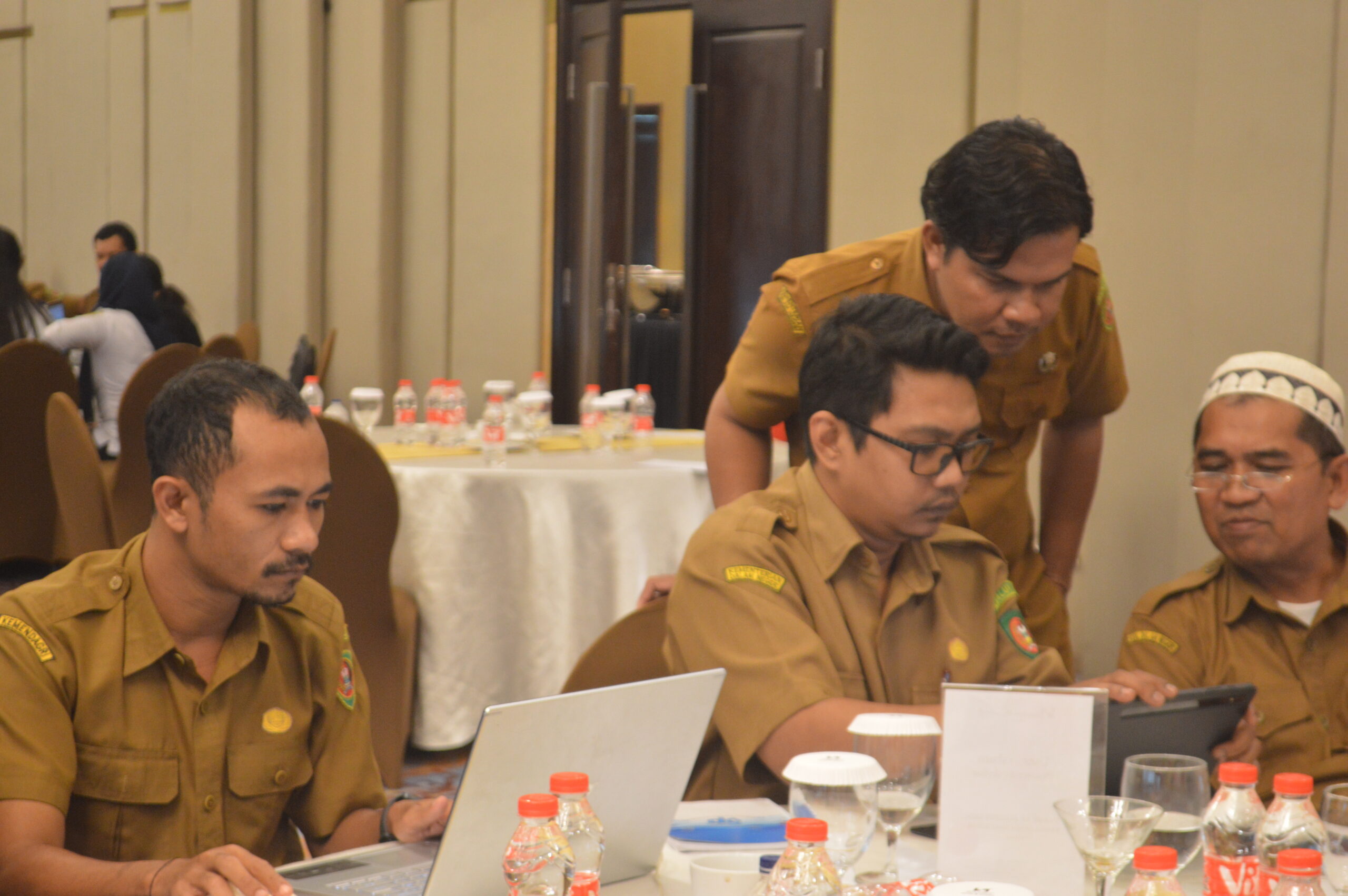
To review this progress and identify the next steps, the Maluku Provincial Government, with support from SKALA, the Australia–Indonesia Partnership Program, convened a consolidation forum on 4 August 2026 in Ambon.
The forum brought together data producers, data custodians, supporting data custodians and other relevant stakeholders to review progress in implementing Satu Data Maluku, map the process for collecting, managing and using data, and agree on follow-up measures to further strengthen regional data governance.
In his opening remarks, Assistant to the Regional Secretary for Economic Affairs and Development, Kasrul Selang, highlighted opportunities for local governments to make greater use of data generated through the implementation of National Strategic Programs (PSN).
Mr Selang cited the Free Health Check-up Program as an example. Through the program, local governments can collect health data without relying solely on their own regional budgets. Information generated through the program, ranging from maternal and child health data to data on different types of diseases, can subsequently inform the development of health policies.
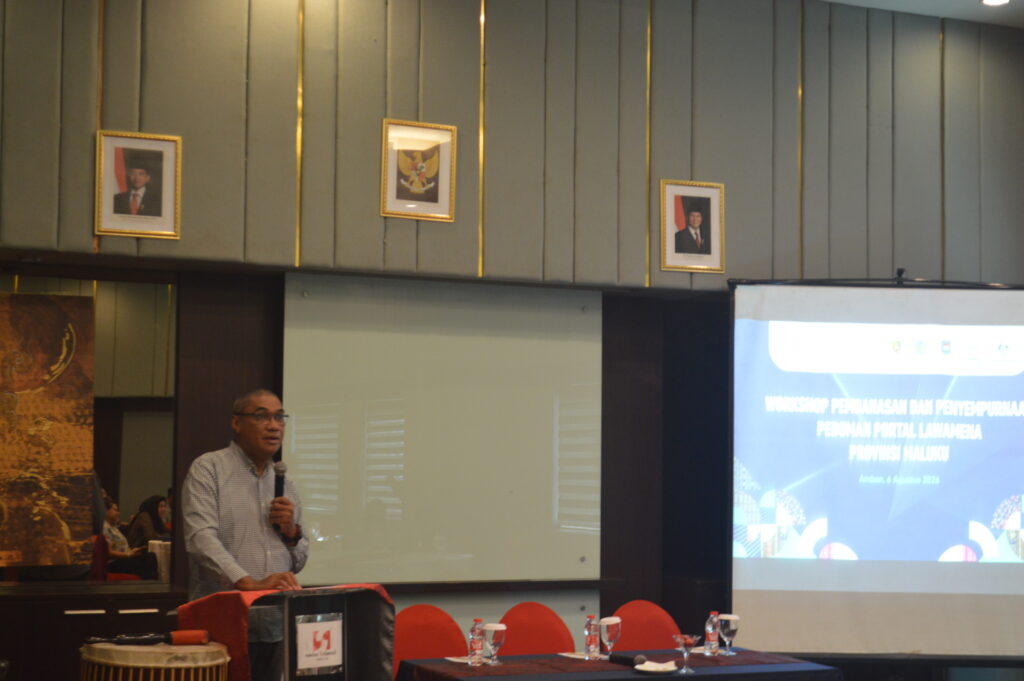
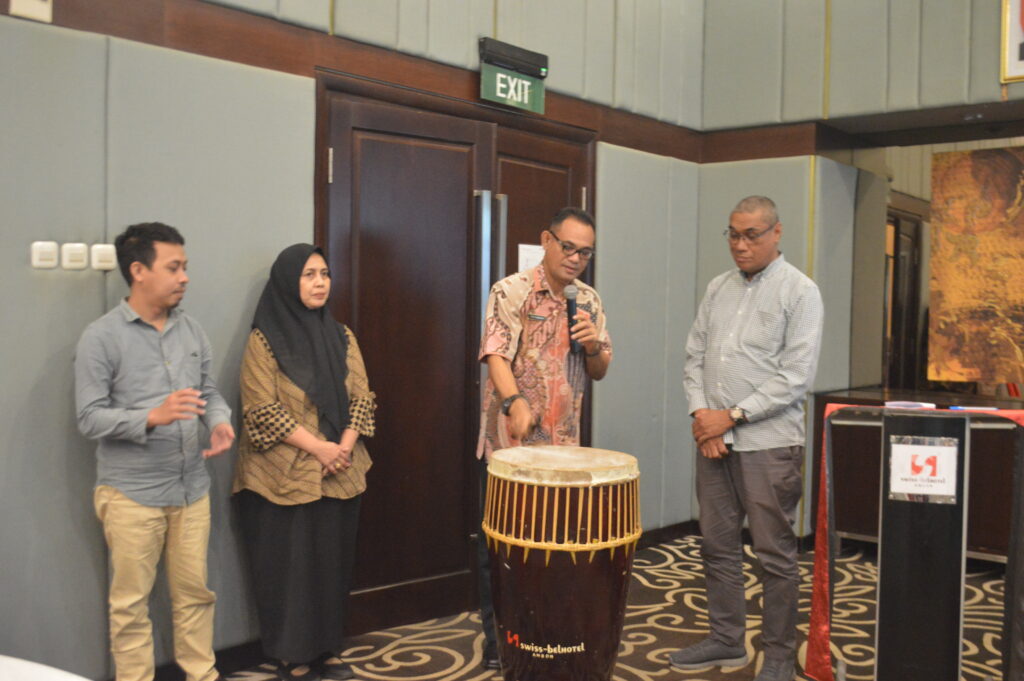
Two days after the forum, stakeholders reconvened in Ambon for a workshop to discuss and refine the Lawamena Portal guidelines.
The workshop sought to build a common understanding of the portal’s governance arrangements, data management mechanisms and the division of roles among local government agencies throughout the Satu Data cycle in Maluku.
Discussions generated a number of recommendations to strengthen the portal guidelines and operational manual. These included developing practical user guidance for different groups of portal users, supported by video tutorials and digital guides.
Strengthening the portal’s role in Maluku’s digital transformation
As the Lawamena Portal develops, the Provincial Government is seeking to ensure that it becomes an integral part of Maluku’s digital data ecosystem and helps reduce reliance on fragmented and manual data management processes.
Provincial Lead for SKALA Maluku, Odie Seumahu, said the next phase of development should focus increasingly on how data in the Lawamena Portal is used throughout the planning process.
“Our main focus now is shifting from platform development towards utilisation and operational sustainability. The Lawamena Portal is not merely a new reporting application for regional government agencies, but the cornerstone of digital transformation and the driving force behind the Satu Data initiative in Maluku Province,” Mr Seumahu said at the workshop.
Strengthening the portal will require datasets to be updated consistently and progressively integrated with existing district and city data portals, as well as with relevant ministries and government agencies.
Further development is also expected to strengthen functions for analysing data and presenting it through accessible visualisations, helping decision-makers and other users interpret information more easily.
“All of this is being done to establish the Lawamena Portal as the ‘single source of truth’ in Maluku,” Mr Seumahu said.
During the workshop, participants also identified continuing obstacles, data governance challenges and areas where additional support is required. They developed a list of priority indicators and datasets requiring further updating, validation or integration into the Lawamena Portal. Participants included Statistics Indonesia (BPS) Maluku Province, the Regional Development Planning Agency, the Communications and Informatics Office, and regional government agencies serving as data producers. SKALA continues to support the Maluku Provincial Government in strengthening the use of data for development planning and budgeting, and ultimately to support more inclusive and responsive basic services.