


NTB Strengthens its Commitment to Basic Service Delivery through A New Action Plan
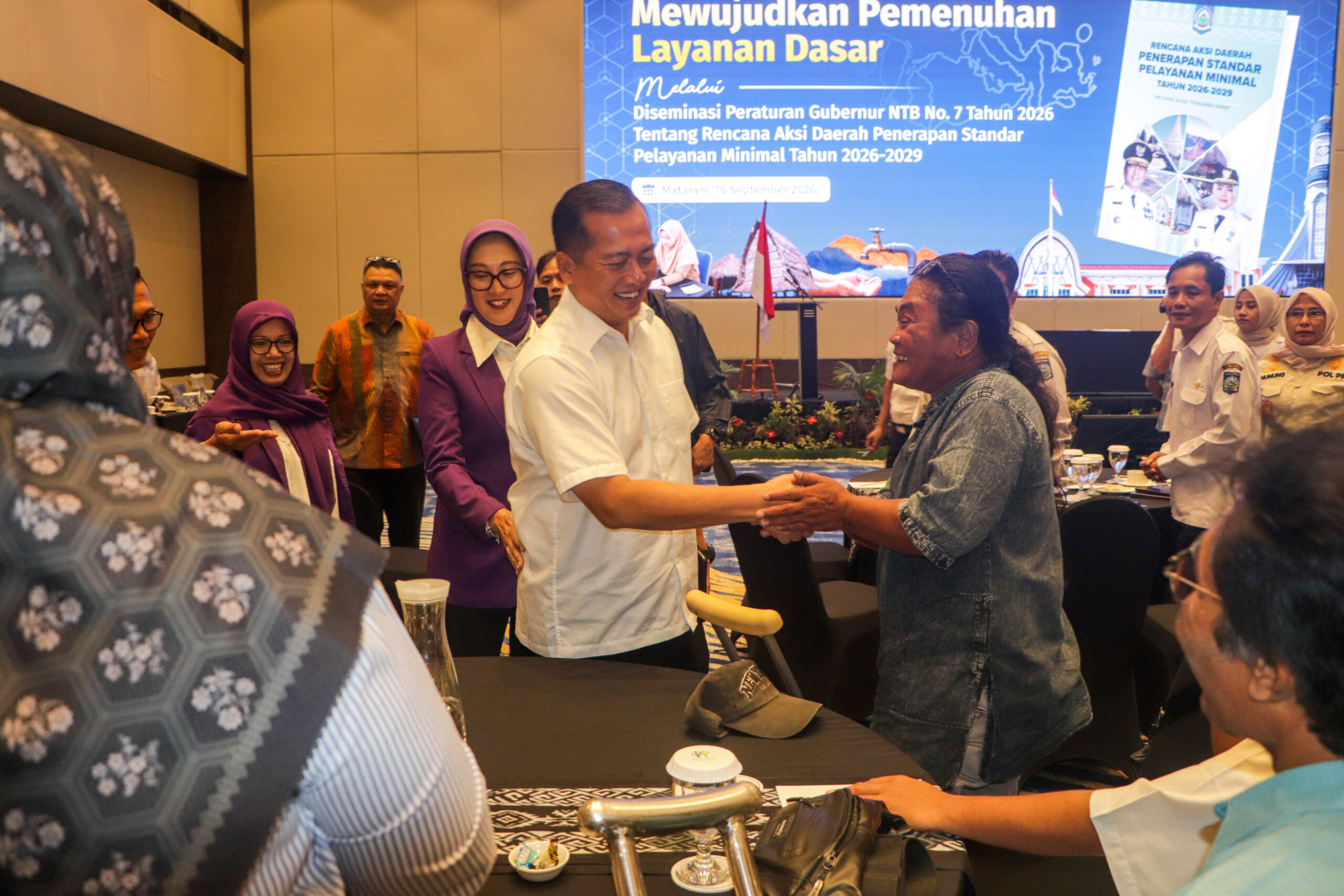
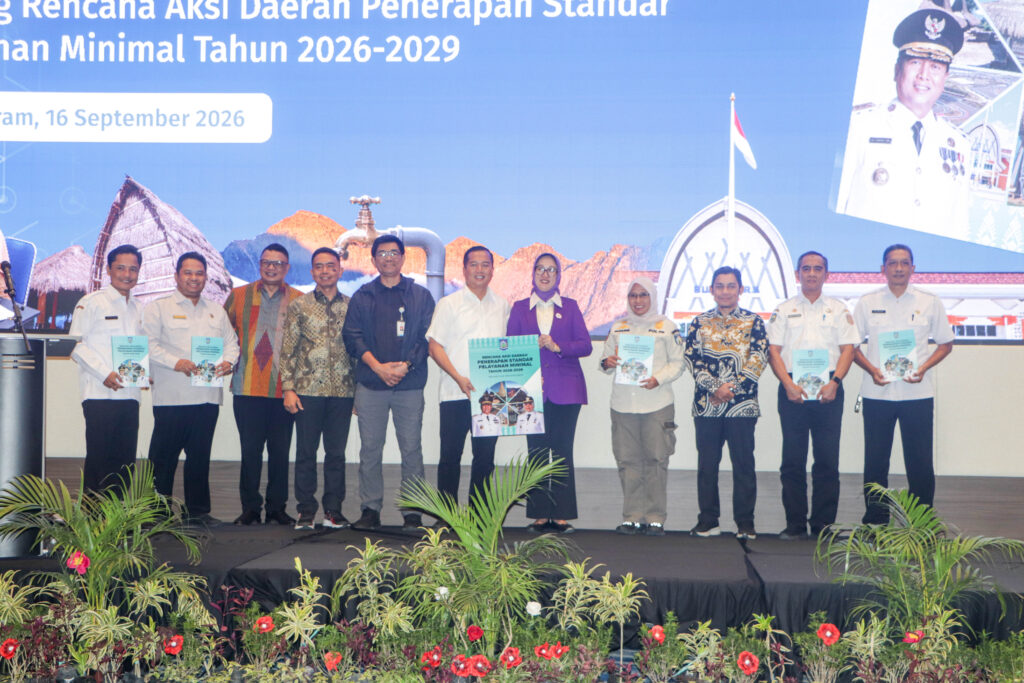
The Nusa Tenggara Barat (NTB) Provincial Government has demonstrated its commitment to improving basic service delivery by organising a forum to launch its 2026–2029 regional action plan for implementing the Minimum Service Standards (Standar Pelayanan Minimal/SPM).
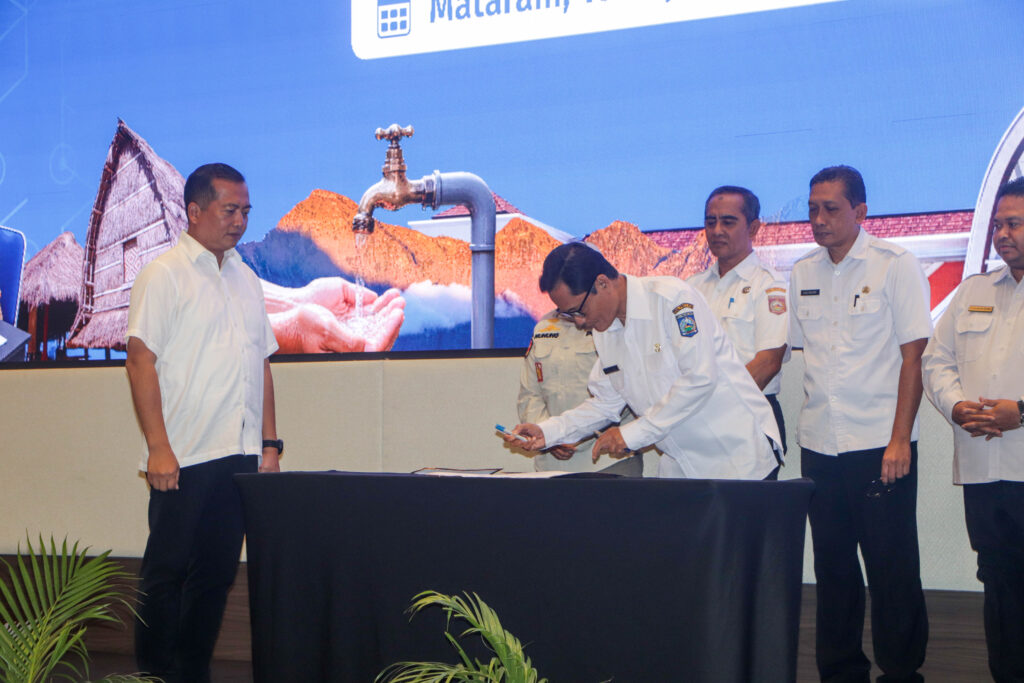
Held in Mataram on 16 September 2026, the forum provided a platform to explain the action plan and build a commitment across government agencies to jointly implement the SPM. The newly enacted NTB Governor Regulation No. 7 of 2026 provides the framework for implementing the plan.
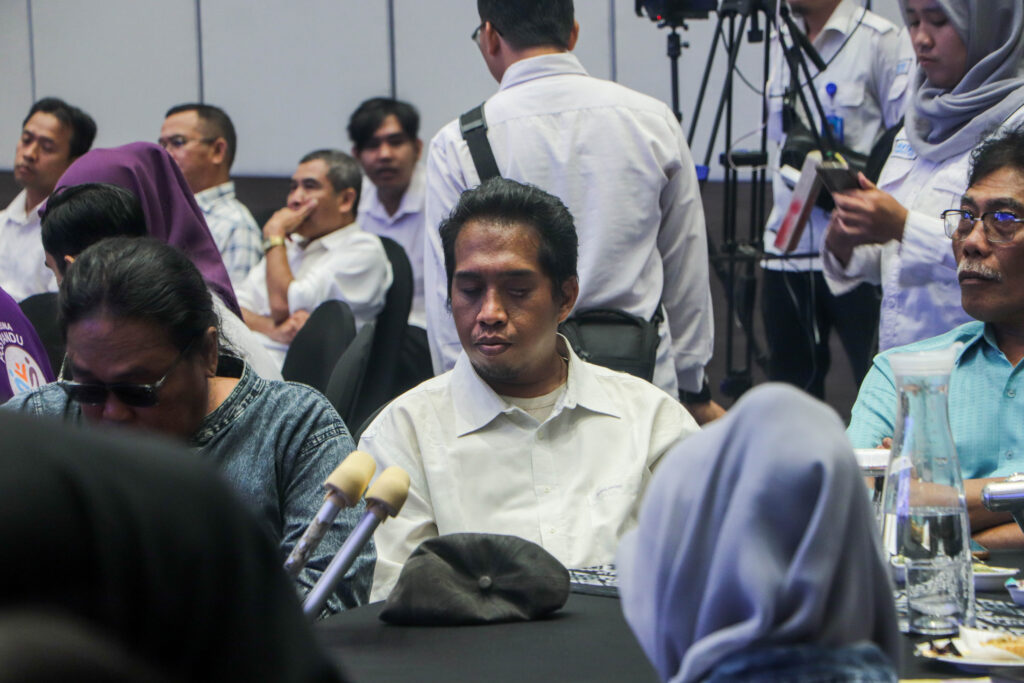
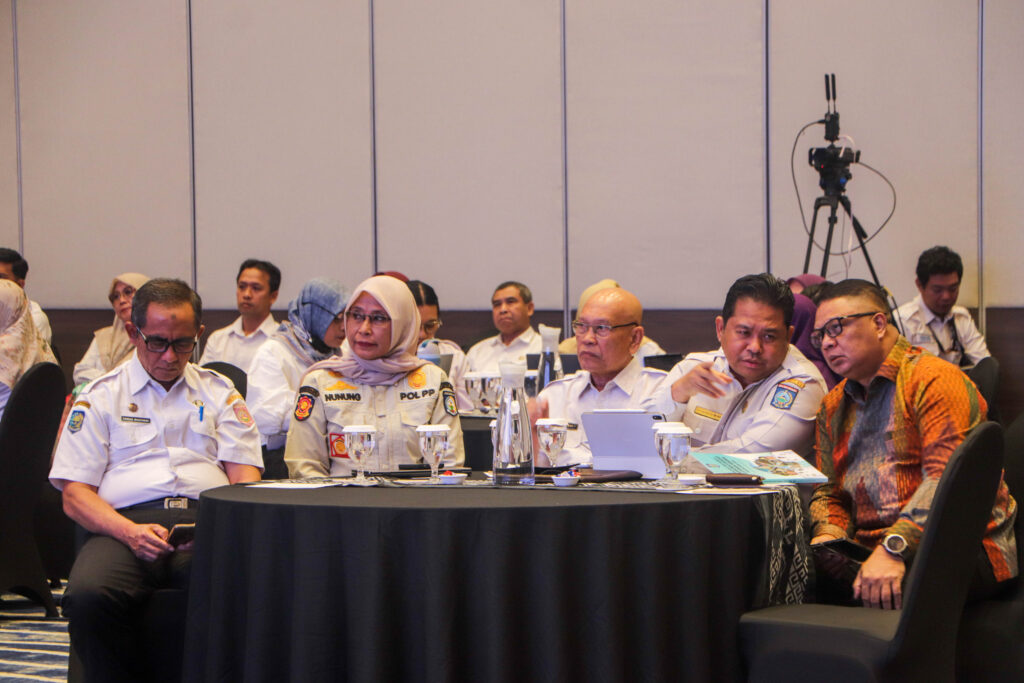
At the forum, government agencies were urged to ensure that regional planning, budgeting, program implementation and oversight were brought together under the SPM action plan. Participants included agencies responsible for SPM, the Regional Government Budget Team, Regional Development Planning Agency, regional financial management agencies, the Regional Inspectorate, the Posyandu Supervisory Team, and representatives of the national government and development partners.
Improving the quality of basic services is one of NTB’s priorities under its Regional medium-term development plan (RPJMD) 2025–2029. The provincial government is responsible for implementing 14 SPM across six basic service sectors: education, health, public works, housing, public safety/order and social services.
During the forum, participants discussed the SPM action plan’s alignment with the Regional government work plan (RKPD), General budget policy and provisional budget ceiling and priorities (KUA-PPAS) and the draft regional budget. They also discussed ways to refine programs, activities and sub-activities based on the 2027 KUA-PPAS, as well as approaches to implement the six SPM sectors through Posyandu (Integrated Service Posts/Pos Pelayanan Terpadu).
At the forum, NTB Governor Lalu Muhamad Iqbal said that transforming basic service delivery needed to go beyond the preparation of policy documents to making tangible changes in how government planned, budgeted for, delivered and evaluated services for communities.
“Government must place public service delivery at the heart of all government work. Government resources must be directed towards ensuring that people receive the services to which they are entitled,” he said.
Governor Iqbal also highlighted the importance of transforming Posyandu into an integral part of the basic service delivery system. With networks operating close to communities, he said Posyandu were ideally placed to support a range of basic service sectors beyond their core mandate for provision of health services.
Within this updated framework for Posyandu, communities are recognised as rights holders, while government has the responsibility to ensure that basic services are available and accessible. Information and observations gathered directly from communities through the Posyandu network will help government better understand needs on the ground.
Governor Iqbal also emphasised the importance of coordination between provincial and district/city governments for achieving the SPM targets.
“We will not be able to achieve the SPM if we only work at the provincial level. We need to reach the districts and cities,” he said.
He added that data used for planning should provide a comprehensive picture of conditions across NTB and should not rely on information from a single government agency. Data held by technical agencies at the district and city level, as well as information from frontline service providers, should also inform planning and decision-making.
Chair of the Posyandu Supervisory Team, Sinta Agathia M. Iqbal, said the SPM action plan was the result of a process that began in 2024, with support from SKALA, the Australia–Indonesia partnership program, in partnership with the NTB Provincial Government. As such, the action plan’s launch marked both a formal milestone and also the start of more focused collaboration to improve the quality of basic services.
“I am very grateful for and appreciate all parties that have supported this process. Today is an important milestone, as the collaboration we have built together is now formally launched and ready to be implemented more effectively,” she said.
Ms Iqbal encouraged all regional government agencies to follow up the SPM action plan by translating it into programs and activities, from planning and budgeting through to implementation and evaluation. In this way, the plan will be a practical reference for improving the quality of basic services and ensuring that communities experience the benefits.
SKALA Team Leader Petrarca Karetji commended the NTB Provincial Government on the issue of NTB Governor Regulation No. 7 of 2026, which puts the SPM action plan in place. He said the regulation was an important step in the government’s ongoing commitment to delivering quality basic services that responded to community needs.
“This policy carries three key messages that converge on one overarching goal: building public trust in government and in the future. Amid an increasingly intense flow of information and growing disinformation, government is expected to deliver services that are tangible and genuinely felt by communities,” he said.
Mr Karetji urged the responsible agencies to ensure the regulation resulted in sound planning, adequate budget support, use of accurate data and collaboration across government so that communities could experience the benefits in practice.
“The measure of government success is not the number of documents produced, but the tangible impact people experience in their daily lives,” he said.