


NTB Strengthens Delivery of Basic Services through Posyandu
When a child is not attending school or a family is living without access to clean water, Posyandu cadres are often the first people in the community to know. West Nusa Tenggara (NTB) province has introduced a new regulation and supporting operational guidance to help ensure the cadres’ observations go to the relevant government agencies for a response.
The NTB provincial government has introduced a governor’s regulation (Pergub) to help Integrated Service Posts (Pos Pelayanan Terpadu/Posyandu) better connect with the agencies responsible for implementing Indonesia’s six Minimum Service Standards (Standar Pelayanan Minimal/SPM).
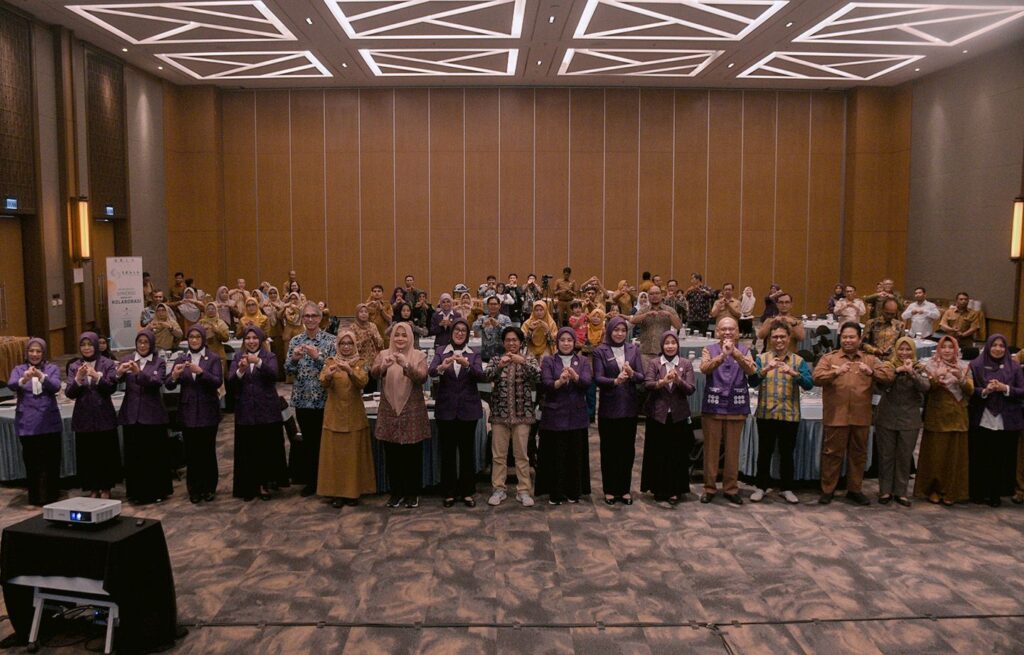
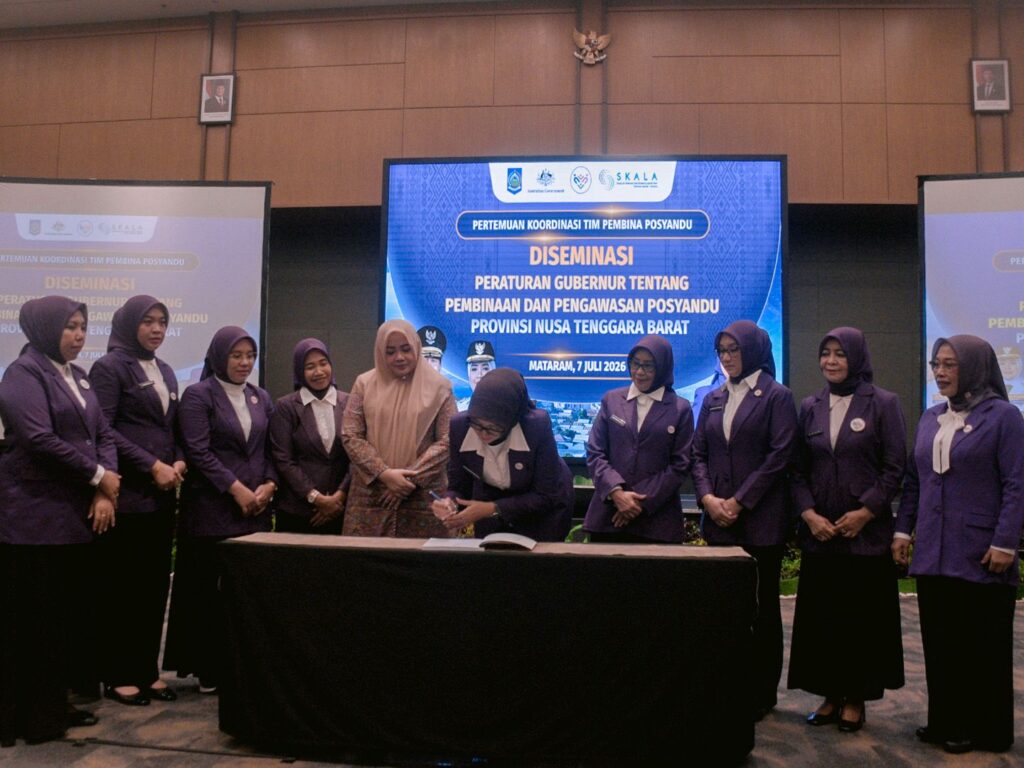
Pergub No. 11 of 2026 on the Guidance and Supervision of Integrated Service Posts, and its related operational guidelines, were disseminated during a coordination meeting in Mataram on 7 july between NTB’s Posyandu Supervisory Team and its district and municipal counterparts. Officials from provincial and district government agencies responsible for SPM implementation, as well as central government representatives, attended the dissemination event.
Development of the regulation and guidelines was supported by SKALA (Sinergi dan Kolaborasi untuk Akselerasi Layanan Dasar), an Australia–Indonesia partnership program. The provincial government is developing a Posyandu cadre handbook to provide practical guidance for cadres working directly with communities.
Bringing basic services closer to communities
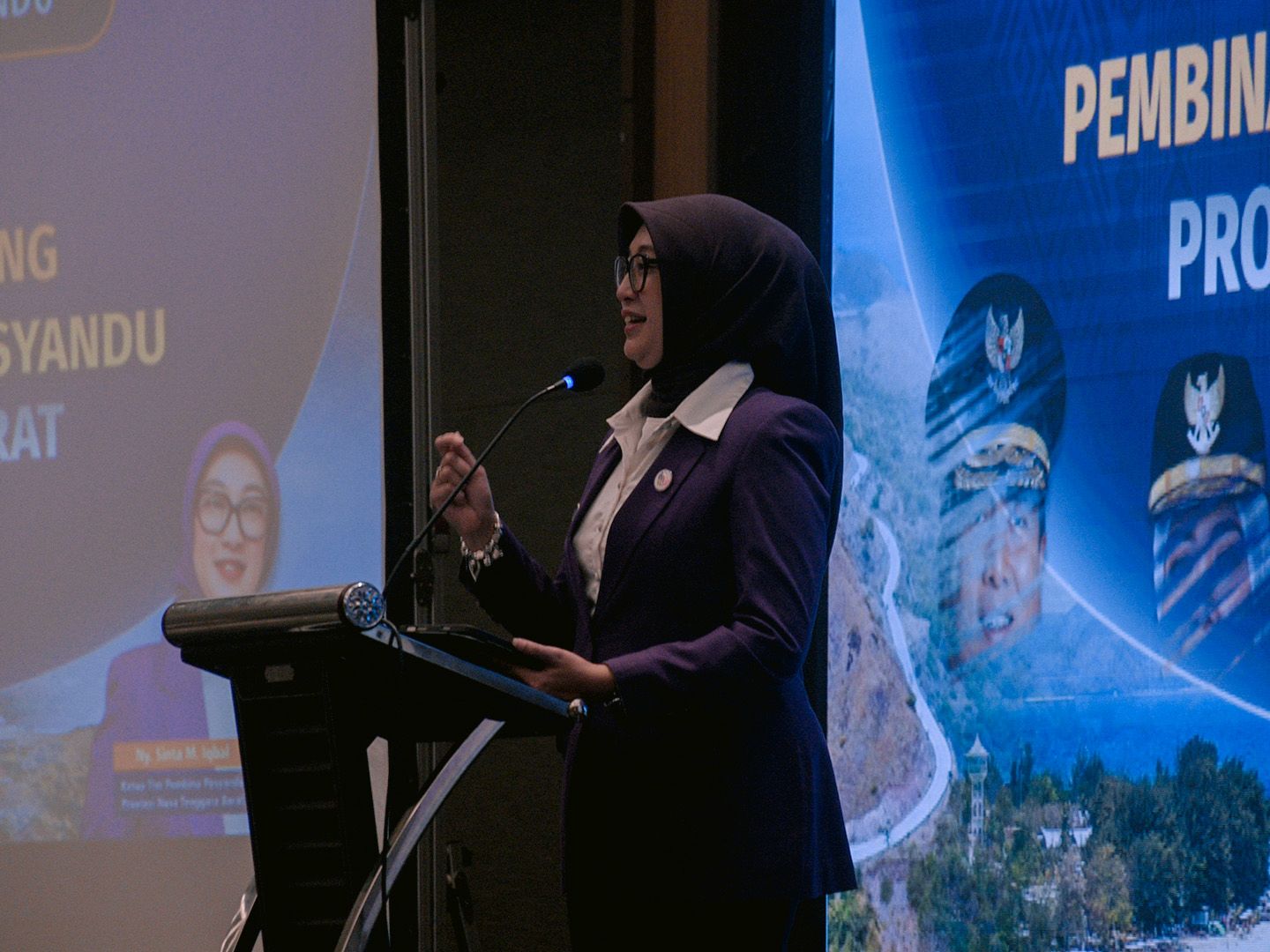
At the dissemination event, chair of NTB’s Posyandu Supervisory Team, Sinta Agathia M. Iqbal, said that effective cross-sectoral coordination would be central to transforming the role of Posyandu in communities.
Posyandu are traditionally associated with maternal, infant and child health services. Minister of Home Affairs Regulation No. 13 of 2024 expanded their role to become core community institutions for supporting the six SPM sectors: education, health, public works, housing, public safety/order and social services.
This broader mandate means that cadres can help identify a much wider range of needs in their communities. They may encounter children who are not going to school, households requiring social protection, families living in substandard housing, or neighbourhoods without adequate access to clean water and sanitation.
These issues can then be discussed with village governments and referred to the government agencies responsible for the delivering the relevant services.
NTB’s Vice Governor, Indah Dhamayanti Putri, described the broader mandate as a new chapter for Posyandu.
“Posyandu is no longer only about health. It has transformed into a space that provides a much broader range of services to communities,” she said.
The Vice Governor gave the example of stunting to illustrate why government services must be better connected. A child’s wellbeing is influenced not only by access to health services, but also by factors such as their housing conditions and surrounding neighbourhood infrastructure, their family’s economic circumstances and parents’ education level.
NTB will build on its Posyandu Keluarga model, which has been in place for several years and brought together health services, family education and community empowerment. The experience of implementing the model has helped inform the province’s response to the new national direction for Posyandu.
Connecting cadres’ findings with government follow-up
The next challenge is to translate the policy framework into the day-to-day work of the Posyandu cadres, village governments and government agencies.
The provincial regulation and operational guidelines clarify roles and how cadres should identify, record and report on the needs of families and communities. The Posyandu cadre handbook will complement these documents with practical guidance for cadres when they make direct contact with families in the field.
The cadres’ field reports need to be followed up by the government agencies responsible for the relevant SPM sector at each level of government. This referral and response mechanism is designed to deliver information about a child who is not receiving essential services, a household requiring social assistance, or a community in need of clean water and sanitation, as examples. Ultimately this information should translate into agency responses that lead to changes in people’s lives.
Reaching the remaining 391 villages and urban wards
Thedissemination event also reviewed NTB’s SPM service achievements in 2025 and the first quarter of 2026, as well as progress toward strengthening Posyandu institutions across the province.
The review assessed whether information and community aspirations identified at village level had been connected effectively to local government planning, budgeting and program implementation.
Based on data updated on 6 July 2026, 775 of NTB’s 1,166 villages and urban wards, or about 66.5 per cent, had established local-level Posyandu supervisory teams. This means that a further 391 villages and urban wards still need to complete the process. Across the province, 7,872 Posyandu are supported by 45,499 cadres.
The NTB provincial government, with SKALA’s support, will continue to develop the Posyandu cadre handbook, strengthen Posyandu institutions in villages and urban wards, and improve the governance of the SPM Posyandu reporting system.
The Posyandu Supervisory Team will assess SPM implementation through Posyandu in October this year, including the institutional arrangements of Posyandu at district, subdistrict and village levels.
At the dissemination event, the Vice Governor emphasised that regulation is only the starting point and that the ultimate goal is to improve service delivery for communities.
“The success of Posyandu transformation will not be determined by how many regulations we have, but by how well we work together, communicate and coordinate, and by how much we care about the communities we serve,” she said.