


Building Gender Equality and Inclusion into East Nusa Tenggara’s Development Planning
East Nusa Tenggara is working to make sure development planning and budgeting reflect the needs of women, girls and people with disabilities.
The East Nusa Tenggara (NTT) Provincial Government is strengthening its planning and budgeting systems to help ensure development programs better reflect the needs of women, girls, people with disabilities and other vulnerable groups.
The effort focuses on the Regional Government Information System (SIPD), the platform used to plan, budget, implement and report on development activities. By strengthening gender and social inclusion within the system, the provincial government aims to ensure the needs of different groups in the community are considered when development priorities are set and budgets are allocated.
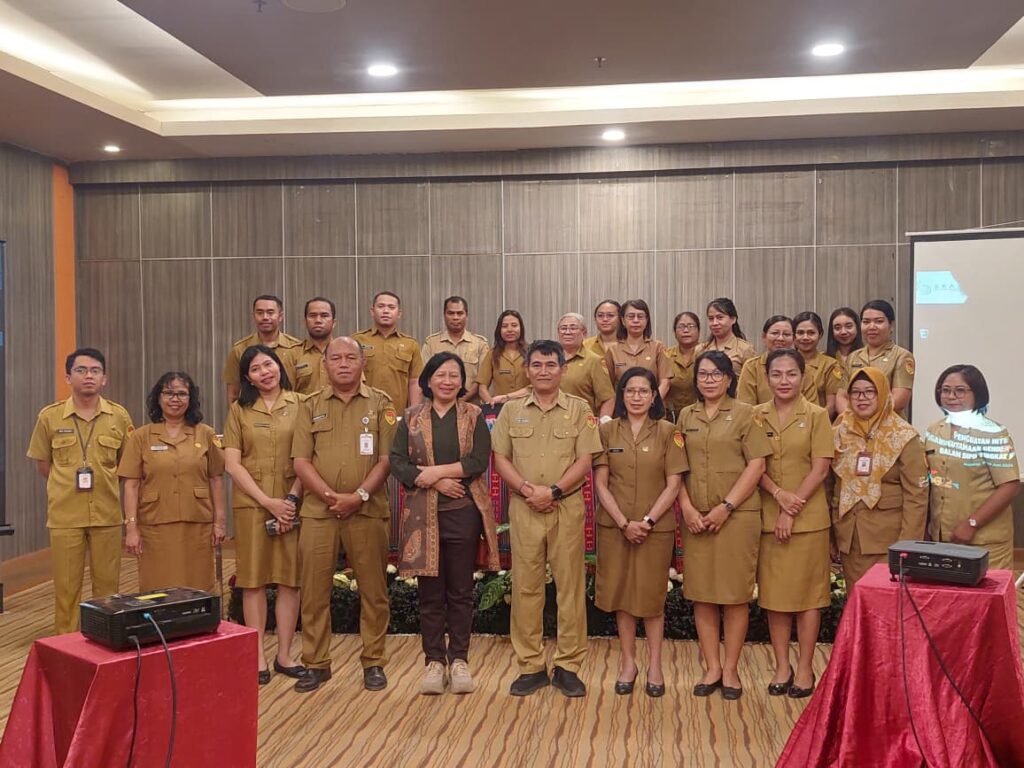
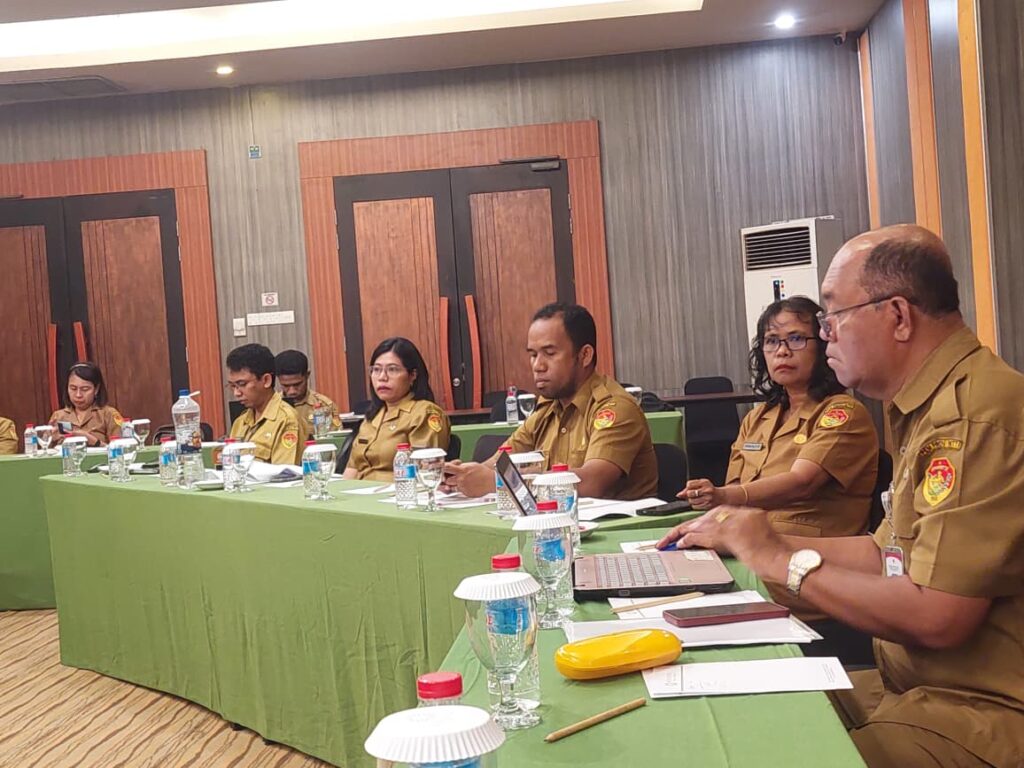
To strengthen this effort, the NTT Regional Development Planning, Research and Innovation Agency (Bapperida), with support from the Australia–Indonesia Partnership Program, SKALA (Synergy and Collaboration for the Acceleration of Basic Services), brought together representatives from 10 government agencies in Kupang on 9–10 June 2026 for a workshop on strengthening the integration of gender and social inclusion into the SIPD. The aim was to help government agencies consider the needs of women, men, girls, boys, people with disabilities and other groups when planning, budgeting and delivering development programs.
The initiative aligns with the mandate in Law No. 59 of 2024 on the National Long-Term Development Plan (RPJPN) 2025–2045, as well as the National Medium-Term Development Plan (RPJMN) 2025–2029, which call for mainstreaming gender equality and social inclusion in development planning.
In his opening remarks at the workshop, Nyoman Saniambara, Head of Bapperida’s Planning, Data and Evaluation Division, said development planning should reflect the needs of everyone in the community. He pointed to girls who drop out of school and the need for separate toilets for boys and girls as examples of issues that should be incorporated into the SIPD.
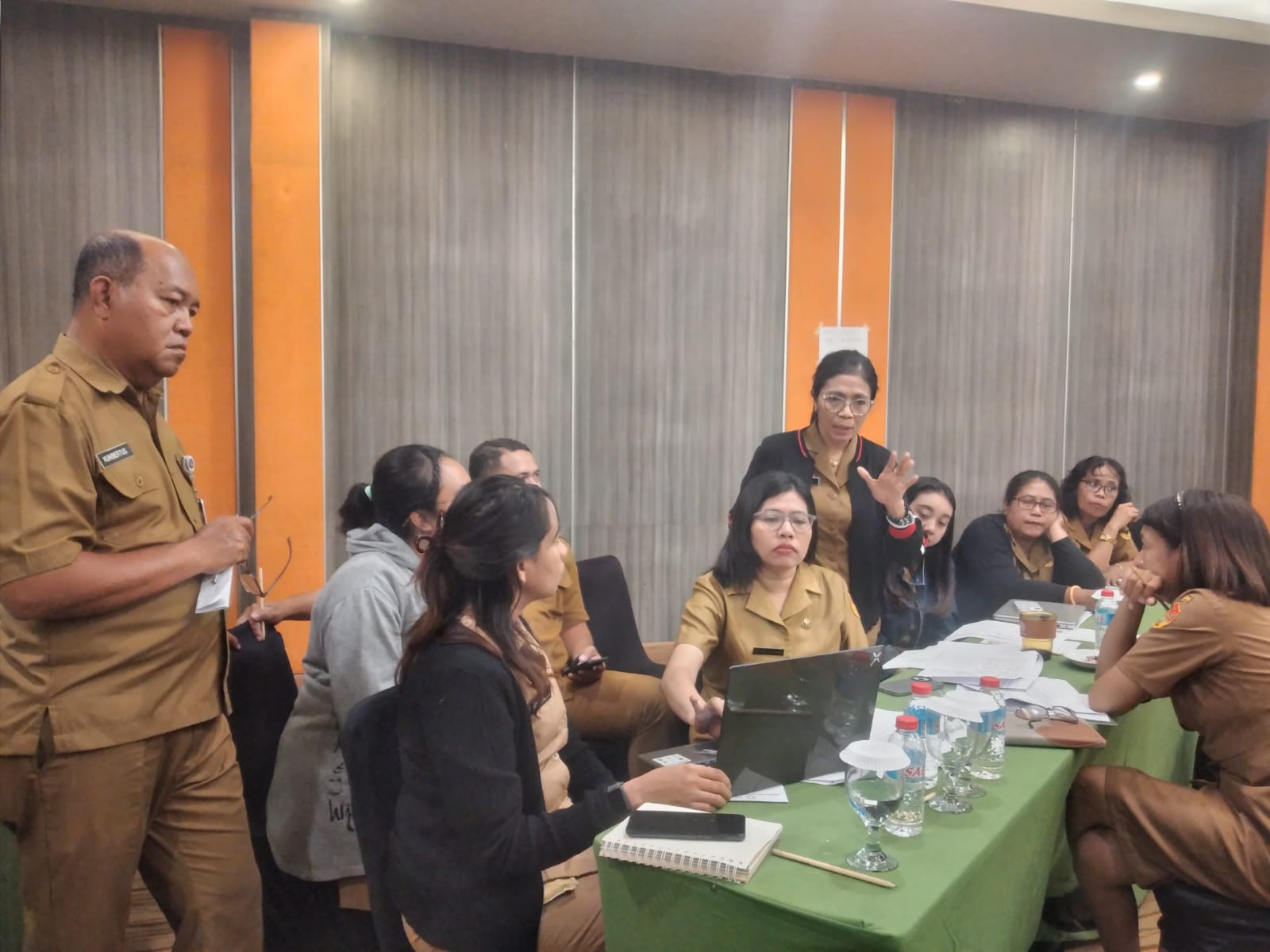
During the workshop, participants explored practical tools to help government agencies put gender and social inclusion principles into practice within planning and budgeting processes. These included the Gender Analysis Pathway (GAP) and the Gender Action Budget (GAB), which help provincial, regency and city governments conduct gender analysis and integrate it into development planning and budgeting.
Iien Andriany, Head of the NTT Provincial Office for Women’s Empowerment, Child Protection, Population Control and Family Planning (DP3AP2KB) and one of the workshop’s speakers, outlined several key points for developing GAPs, particularly action plans and coordination with relevant regency and city agencies. She said GAPs help governments carry out gender analysis systematically and build it into development planning.
Bapperida is developing a tool that will let agencies flag which planned activities are gender and social inclusive directly within the SIPD, making it easier to prepare gender-responsive and inclusive planning documents while strengthening monitoring and evaluation. Because the resulting data and analysis are captured in a single, integrated system, Bapperida will be better placed to track the implementation of gender-responsive and inclusive activities.
For Ferderika Tadu Hungu, SKALA’s NTT Coordinator for Gender Equality, Disability and Social Inclusion, the workshop was a chance to find practical ways forward.
“Through this workshop, I hope we identify practical steps for integrating gender mainstreaming and social inclusion, while strengthening the existing planning and budgeting system in the SIPD,” Ferderika said.
In the long term, integrating gender mainstreaming and social inclusion into the SIPD is expected to produce more gender-responsive and inclusive planning, programs, activities and budgets. This will help ensure development initiatives respond to the needs of different groups and deliver benefits more equitably across the community.