


Better Data, Better Decisions for Indonesia’s Development
Governments rely on accurate, integrated data to support efficient and well-targeted development planning. In Indonesia, however, many government institutions still face challenges in using data effectively, as information is often fragmented across sources, systems are not fully integrated, and analytical capacity remains uneven. This limits the ability of policymakers to design programs that respond precisely to community needs.
As Indonesia works towards its Golden Indonesia 2045 vision of becoming a developed, high-income nation, the government is strengthening efforts to address these challenges. One approach is the development of integrated data tools that enable diverse data sources to be analysed more effectively and provide sound evidence base for decision-making.
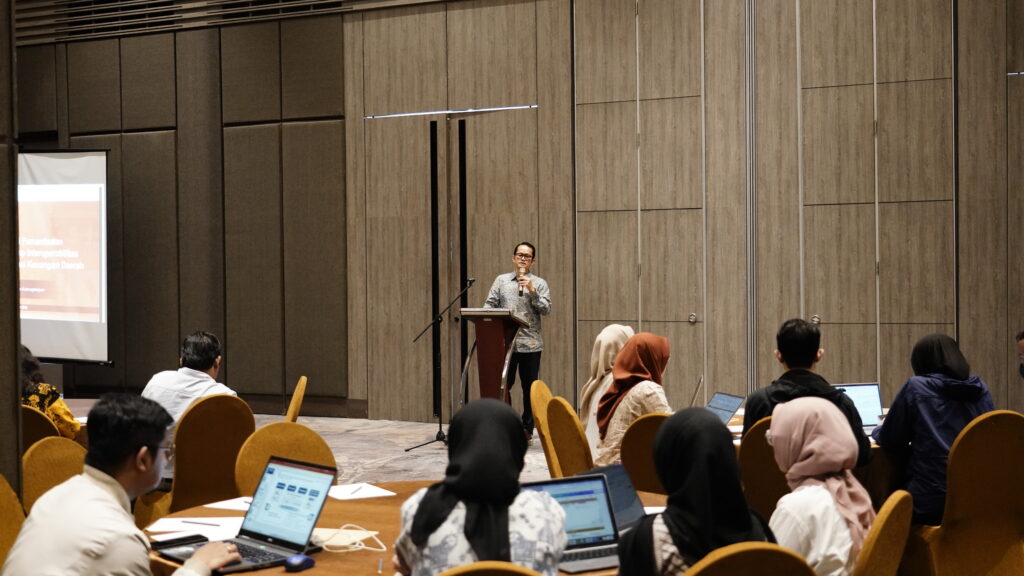
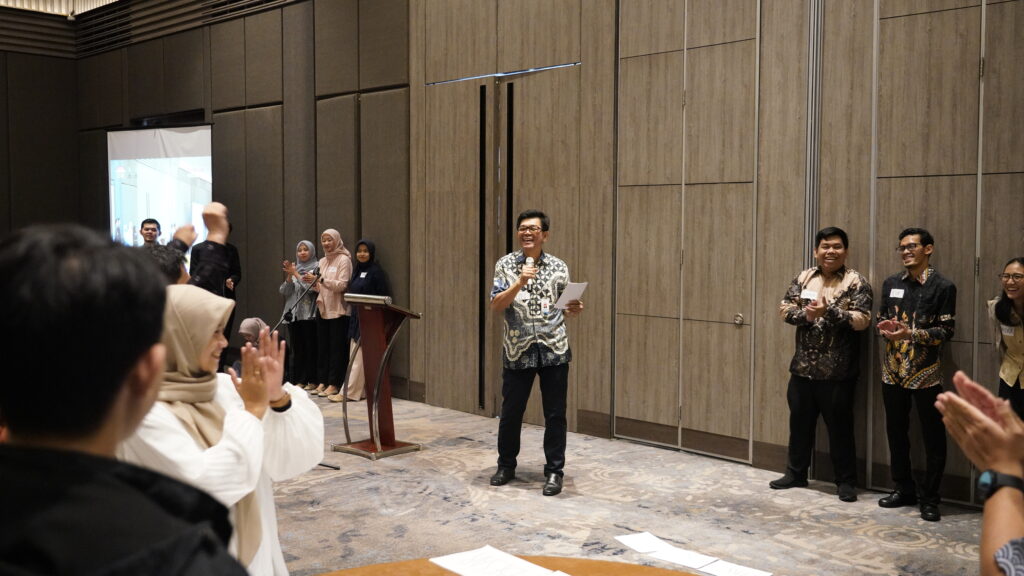
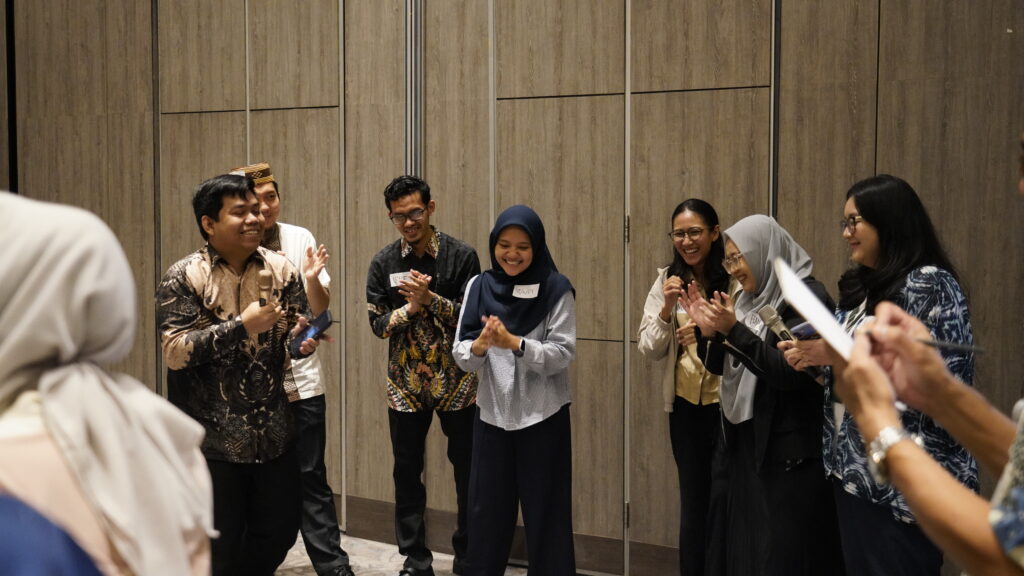
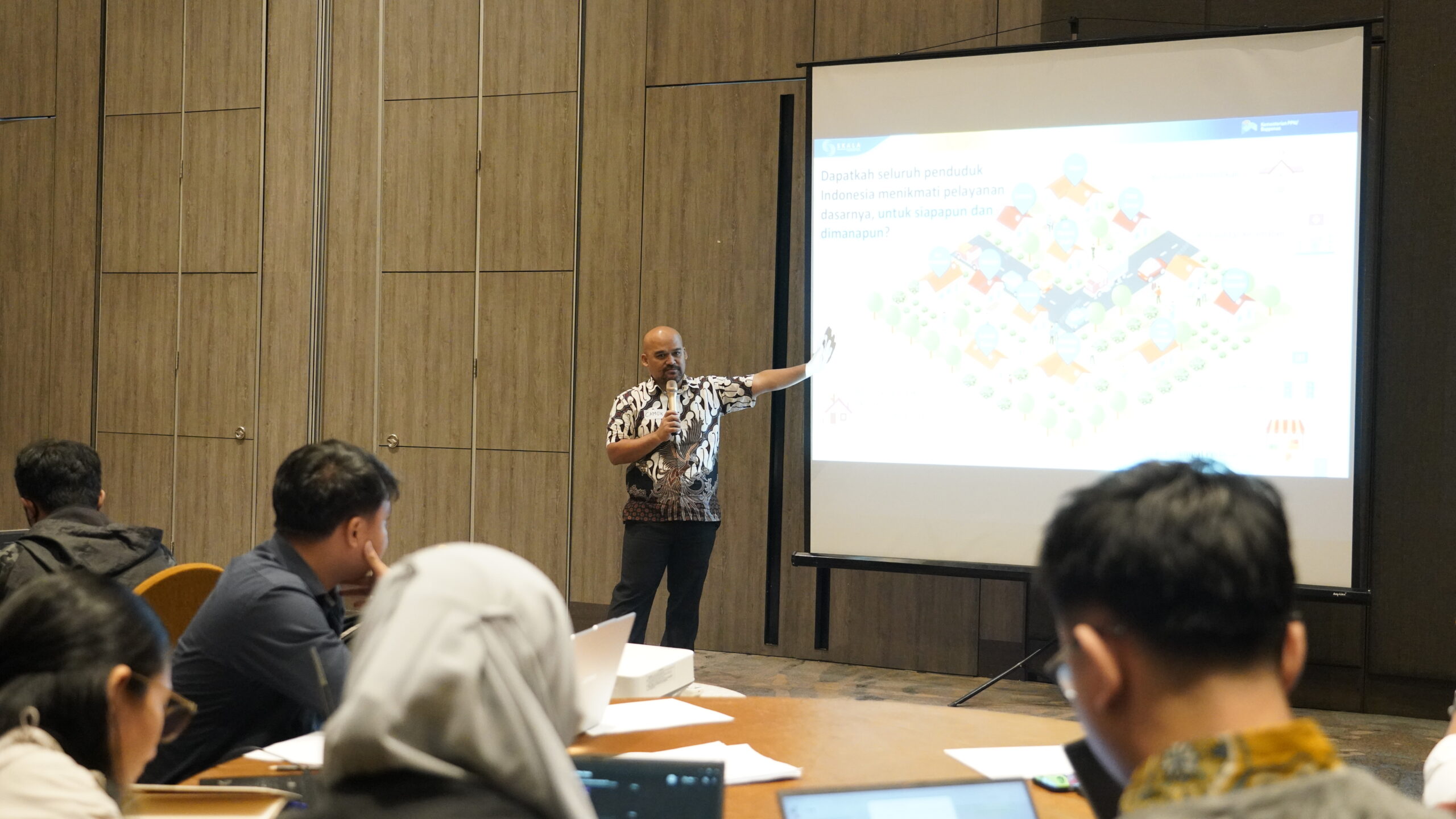
To support these efforts in practice, a workshop and technical bootcamp were held in March 2026 in Jakarta to strengthen the use of integrated data and analysis in development planning. The workshop, organised by the Ministry of National Development Planning (Bappenas), aimed to build participants’ skills in using socio-economic data to support evidence-based decision-making.
The workshop brought together around 70 participants working on poverty analysis, basic services and regional fiscal policy to strengthen the use of data in national and subnational development planning. Participants came from across government institutions, including the Ministry of Finance and Bappenas, reflecting the cross-sector collaboration needed to improve the use of integrated data in policymaking.
In the opening session, the Deputy for Community Development, Population, and Employment at Bappenas emphasised that integrated socio-economic data is essential to improving the quality of development planning. However, without an integrated analytical system, the use of these data in policymaking has often failed to fulfil its potential. To address this, the government is strengthening the use of SEPAKAT, a Bappenas data platform that brings together socio-economic data and simplifies analysis for development planning.
‘SEPAKAT is designed to simplify data analysis processes that were previously complex. Through this platform, policymakers can more easily understand community conditions and design more targeted development interventions,’ he said.
He also highlighted the importance of strengthening links between planning and budgeting systems to ensure that data-driven insights translate into effective implementation, including through greater integration with systems such as those used by the Ministry of Home Affairs and the Ministry of Finance.
Using Data to Strengthen Development Planning
Better use of data not only improves understanding of socio-economic conditions but also strengthens the quality of policy analysis at both national and subnational levels.
The Director of Population and Social Protection at Bappenas, Muhammad Cholifihani, noted that Indonesia faces significant demographic shifts towards 2045, including an ageing population, and that robust data use will be essential to ensure development policies keep pace.
‘People are our greatest asset in development,’ he said. ‘Understanding population dynamics is a crucial foundation for formulating policies that improve community welfare.’
Population projections indicate that Indonesia will face significant challenges towards 2045, including shifts in age structure and a growing elderly population. Effective use of data will be essential to ensure that development policies respond to these changes.
Using SEPAKAT to Improve Policy Analysis
The workshop participants received updates on the use of SEPAKAT, which draws on the National Socio-Economic Single Data to support more integrated analysis for development planning.
Through the platform, socio-economic data from sources such as Susenas, Sakernas, and village data can be combined and analysed in a more systematic way, helping policymakers develop a clearer understanding of community conditions.
SEPAKAT’s analytical and spatial mapping features allow government institutions to identify needs at a more detailed level, including at the household level, and to assess gaps in access to services such as education, health and social protection. Comprehensive use of socio-economic data will enable a deeper understanding of poor and vulnerable groups, supporting better targeting of social protection programs and more effective empowerment interventions.
The workshop highlighted ongoing efforts to strengthen interoperability between planning and budgeting systems, linking data analysis closely to program implementation.
Looking ahead, SEPAKAT is expected to be further integrated with other government systems, including those used for planning and fiscal management, to strengthen the link between development planning, budget allocation, and program evaluation. This greater interoperability will help ensure that planned programs align more closely with development priorities and available resources, improving the overall effectiveness of government interventions.
Together, these efforts support the government’s broader goals of reducing poverty, improving human resource quality, and strengthening economic growth towards the vision of Golden Indonesia 2045.
Strengthening SEPAKAT User Capacity
Through the workshop, participants received updates on SEPAKAT’s features and strengthened their skills in applying data analysis to development planning.
Participants are expected to play a key role in expanding the use of SEPAKAT within ministries, agencies, and regional governments, helping to increase its application and impact in development planning processes.
Nurteja Andaya from the Directorate of Fiscal Balance Systems at the Ministry of Finance noted that ‘Fiscal policy analysts can optimise SEPAKAT to improve the quality of policy outputs.’
With strengthened capacity, government institutions at both national and subnational levels are better positioned to use data to design more targeted policies and development programs.
This strengthening of data use is supported by SKALA (Synergy and Collaboration for the Acceleration of Basic Services), an Australia–Indonesia partnership program that promotes more inclusive and responsive basic service governance at both national and subnational levels.