


Maintaining National-Subnational Policy Alignment to Strengthen Basic Services: Consolidating Adjustments to the SKALA Program Annual Work Plan 2025-2026
Improving basic services in Indonesia requires strong alignment between national and subnational government policies. Under the decentralised governance system, the delivery of basic services depends not only on national policy direction but also on the capacity of subnational governments to translate these policies into planning, budgeting and program implementation. Effective intergovernment coordination is therefore essential to ensure policy coherence and consistent implementation on the ground. This coordination is supported through a series of working group (Pokja – Kelompok Kerja) meetings, facilitated through the Australia–Indonesia Partnership program, Synergies and Collaboration for Accelerating Basic Service Delivery (SKALA – Sinergi dan Kolaborasi untuk Akselerasi Layanan Dasar).
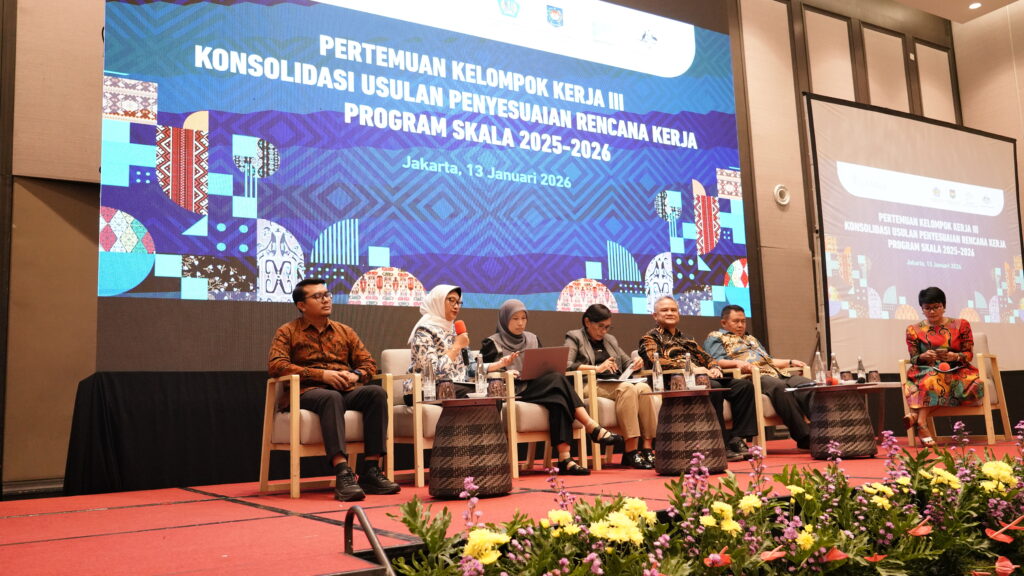
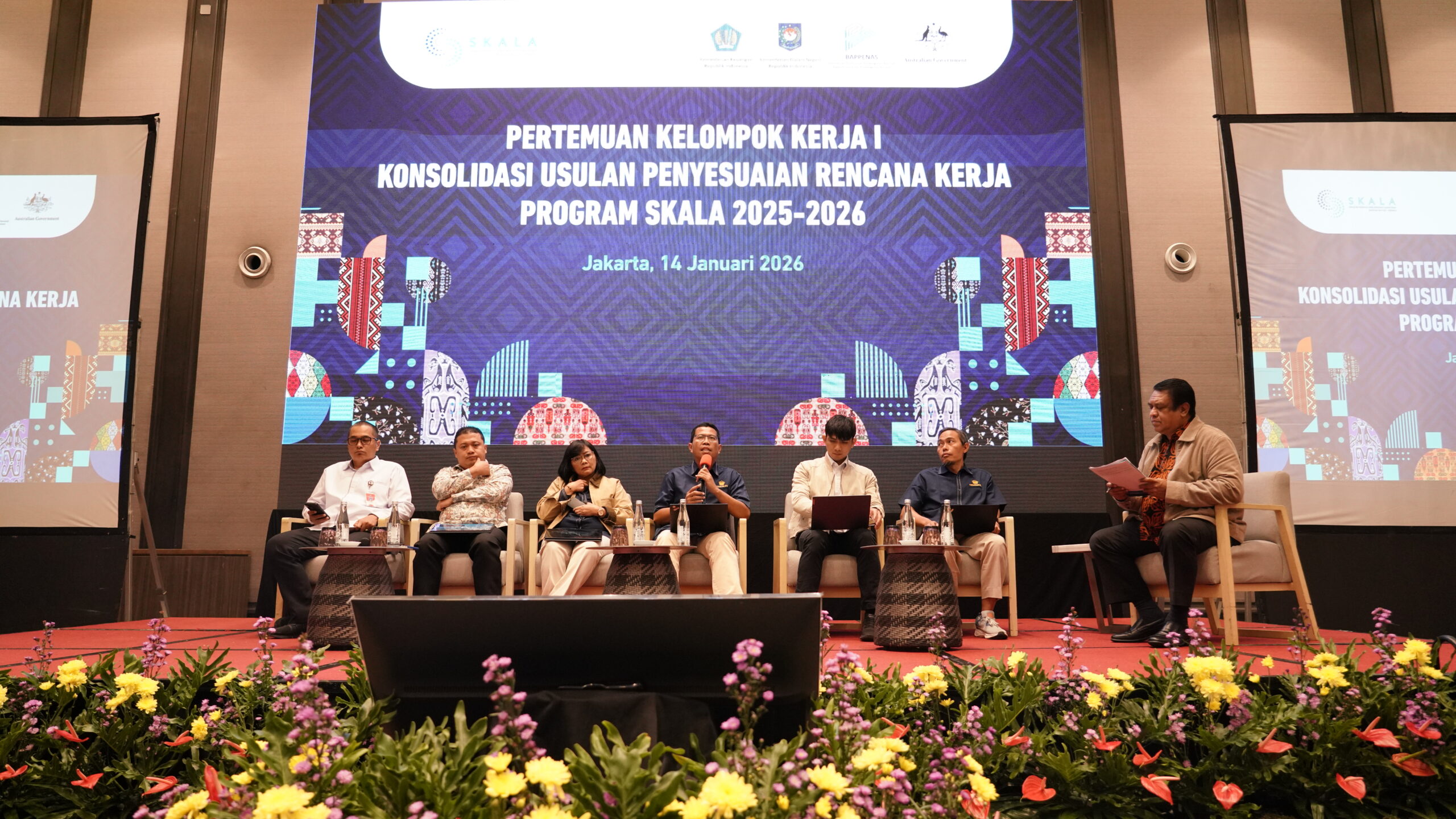
As the lead ministries overseeing the partnership program, the Ministry of National Development Planning (Bappenas – Badan Perencanaan Pembangunan Nasional), the Ministry of Finance (Kementerian Keuangan) and the Ministry of Home Affairs (Kementerian Dalam Negeri) convened the Pokja meetings to enhance coordination on policy direction between central and subnational governments. Held in January 2026, the Pokja meetings served two purposes. They supported alignment between national and subnational policy directions and helped refine adjustments to the SKALA 2025–2026 Annual Work Plan in response to evolving policy priorities and fiscal conditions.
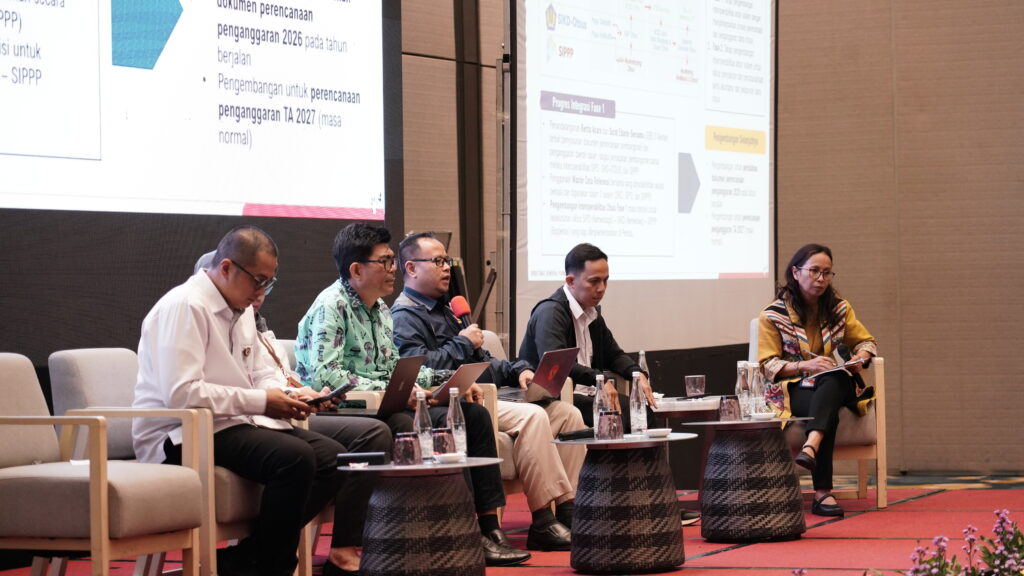
During the Pokja discussions, participants reflected on program implementation, identified key challenges, and considered areas requiring adjustment for future support. In addition to the three lead ministries, participants included provincial government representatives from Aceh, North Kalimantan, Gorontalo, West Nusa Tenggara, East Nusa Tenggara, and Maluku, with the six Papua provinces represented through the Provincial Program Committees. The Australian Government, represented by the Department of Foreign Affairs and Trade (DFAT), participated as a development partner. The Pokja meetings functioned as a space for national–subnational policy alignment and as a platform for cross-regional learning.
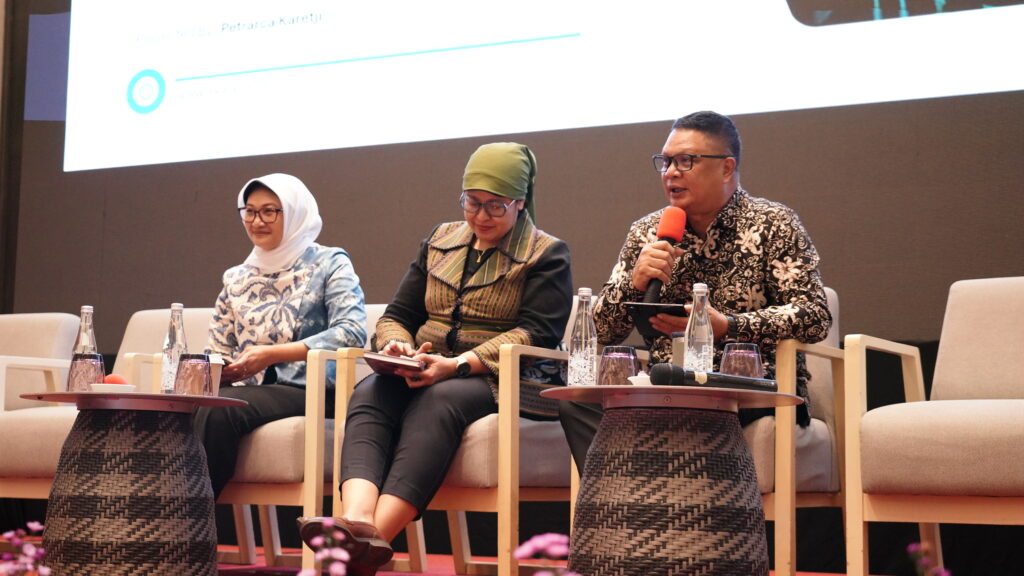
“The Pokja provides a space for central and subnational governments to align policy direction, review priorities, and ensure the delivery of basic services improves across regions.” Maddaremmeng, Secretary, Directorate General of Regional Development, Ministry of Home Affairs – Co-Chair of Pokja II
Subnational Challenges in Meeting Minimum Service Standards and Managing Fiscal Space
The first day focused on challenges in implementing Minimum Service Standards (SPM –Standar Pelayanan Minimal), particularly in education, health, and social protection. Subnational governments highlighted rising costs associated with delivering basic services within constrained fiscal resources. These pressures underscored the need for sharper prioritisation to ensure public expenditure is better targeted.
Discussions also highlighted the importance of financing approaches for SPM implementation that reflect the true costs of delivering basic services. The use of unit cost approaches was seen as a potential tool to help subnational governments better align budgeting with actual service needs and delivery capacity.
The forum reached a shared understanding that subnational governments require sufficient fiscal flexibility to implement basic service priorities, while maintaining alignment with national policy direction.
“Strengthening subnational governance and improving the quality of basic services is an increasingly important area of work for us. Forums like this help ensure development support remains connected to national policy and local practice.” Astrid Kartika, Unit Leader, Decentralised Governance, DFAT – Co-Chair of Pokja II
Data-related issues were also a key focus. The integration of key government data systems is beginning to create stronger interoperability across government data systems, opening opportunities for improved data use in planning and beneficiary targeting, including through the Integrated Poverty Analysis, Monitoring, Evaluation, Planning, and Budgeting System (SEPAKAT), the Subnational Government Information System (SIPD), and the Subnational Financial Information System (SIKD).
Provincial governments also reaffirmed their role in providing technical guidance and ensuring data quality across districts and municipalities. This discussion underscored that data governance is not only a technical challenge, but also one that depends on clear institutional roles, coordination mechanisms, and sustained cross-sector collaboration.
Strengthening Inclusive Approaches to Basic Service Delivery
The second day focused on lessons learned by subnational governments in integrating Gender Equality, Disability, and Social Inclusion (GEDSI) into policy, institutions, and service delivery. Examples included the development of disability regulations, regional action plans for gender equality, inclusive development planning forums (musrenbang inklusif), and fiscal measures such as tax and fee exemptions for people with disabilities in Aceh.
Discussions pointed to a growing emphasis on strengthening inclusion through regulatory frameworks, institutional arrangements, and budgeting processes. Participants considered this approach essential to ensure that the rights and access of vulnerable groups are embedded within planning and service delivery systems.
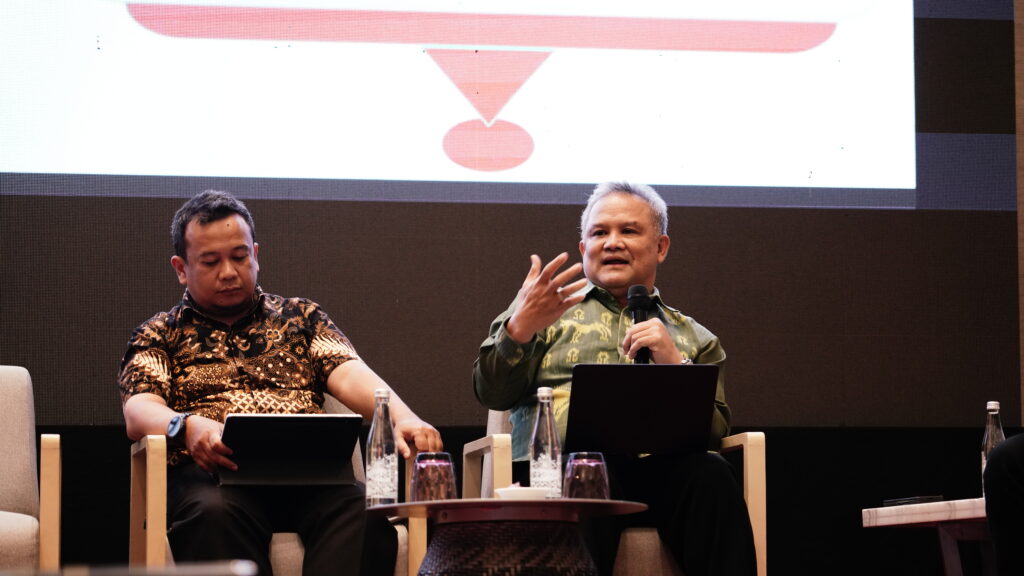
“Strengthening basic services must align with the priorities of the National Medium-Term Development Plan (RPJMN). GEDSI and the participation of vulnerable groups need to be internalised in planning documents, reflected in local regulations, and translated into programs so that communities can experience the benefits.” Tirta Sutedjo, Director for Poverty Reduction and Social Welfare, Bappenas – Co-Chair of Pokja III
Subnational Initiatives and Cross-Regional Learning
Through the ‘shopping for ideas’ (Belanja Ide) good practice sharing sessions, subnational governments presented a range of initiatives emerging in their respective regions. Aceh shared how local fiscal policies have improved accessibility for people with disabilities. East Nusa Tenggara outlined progress in developing a provincial data portal to support evidence-based planning. North Kalimantan highlighted its experience in establishing inclusion forums that involve vulnerable groups in the regional planning cycle.
These exchanges illustrated how strengthening basic service governance is also supported by locally driven initiatives tailored to regional contexts and capacities.
“Each region has different fiscal conditions and capacities. Through cross-regional learning, we can identify practices that may be adapted or scaled, as well as areas where additional support is needed.” Petra Karetji, Team Leader, SKALA
Aligning Development Support and Adjusting the Annual Work Plan
The third day focused on aligning policy directions between the government and development partners. Discussions emphasised the importance of adjusting the 2025–2026 Annual Work Plan to ensure technical support remains aligned with policy developments and evolving fiscal conditions at both national and subnational levels. DFAT reaffirmed its commitment to supporting subnational governance strengthening and highlighted the importance of conducting a mid-term review as part of the program cycle to maintain relevance and effectiveness.
Bappenas reiterated the role of the Pokja meetings as a coordination mechanism to maintain alignment between national and subnational policies on basic service delivery and development data governance. Within this framework, the SKALA Program facilitates communication between subnational needs and national policy directions, while promoting cross-regional learning through the exchange of experiences.
Across the three days of discussions, several shared understandings emerged. Central and subnational governments agreed on the need to sharpen spending priorities for basic services to better reflect community needs, strengthen data use for beneficiary targeting, and reinforce the role of provincial governments in guiding and supporting districts and municipalities. Participants also highlighted the importance of maintaining adequate fiscal space to meet SPM, integrating GEDSI considerations into subnational planning documents, and providing platforms for shared learning across regions.
The outcomes of the Pokja consolidation will inform deliberations at the Technical Committee and Steering Committee levels, including adjustments to the SKALA 2025-2026 Annual Work Plan and preparations for the program’s mid-term review. Amid ongoing fiscal and social pressure, the overarching focus remains on ensuring that basic services are delivered more effectively and inclusively, reaching communities across Indonesia.