

Kalimantan Utara Strengthens Minimum Service Standards to Improve Basic Service Delivery
Kalimantan Utara’s population is spread across island and coastal communities, as well as remote inland and border regions – presenting distinct challenges for delivering equitable access to quality basic services. Differences in accessibility, community needs and service delivery capacity across the province requires development planning that goes beyond meeting targets to address the specific circumstances of each area.
To respond to these challenges, the Kalimantan Utara (Kaltara) Provincial Government is strengthening how it applies Indonesia’s minimum service standards (Standar Pelayanan Minimal/SPM) to underpin planning, budgeting and delivery of basic services. These efforts aim to ensure that government programs and resource allocations help improve access to, and the quality of, services for communities.
SPM defines the minimum standard of basic services that every Indonesian citizen is entitled to receive. They cover six mandatory service areas of local government responsibility: education, health, public works, public housing, community security and social affairs.
Implementing SPM goes beyond meeting administrative requirements or achieving indicators set by the national government. It provides local governments with a framework to identify service needs, set development priorities and ensure that communities – including vulnerable groups and people living in hard-to-reach areas – can access quality basic services.
Aligning service delivery targets with regional budgets
As Kaltara prepares its 2027 development plans, the provincial government is seeking to ensure that SPM requirements are translated into concrete actions within the annual work plans (Rencana Kerja or Renja) of local government agencies.
The government will use a review of Kaltara’s SPM implementation (up to the second quarter of 2026) to support development of the work plans.
The review will enable it to identify unmet targets, gaps in service delivery and underserved communities, as well as understand the challenges that local agencies have encountered in providing quality basic services. The review’s findings will help to inform more responsive development planning.
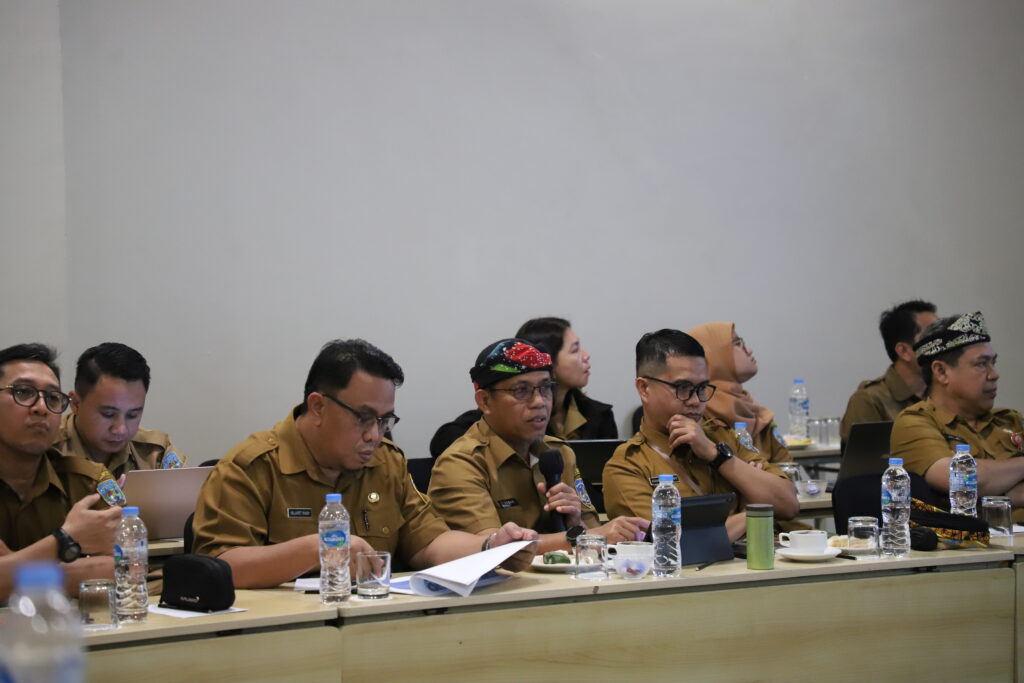
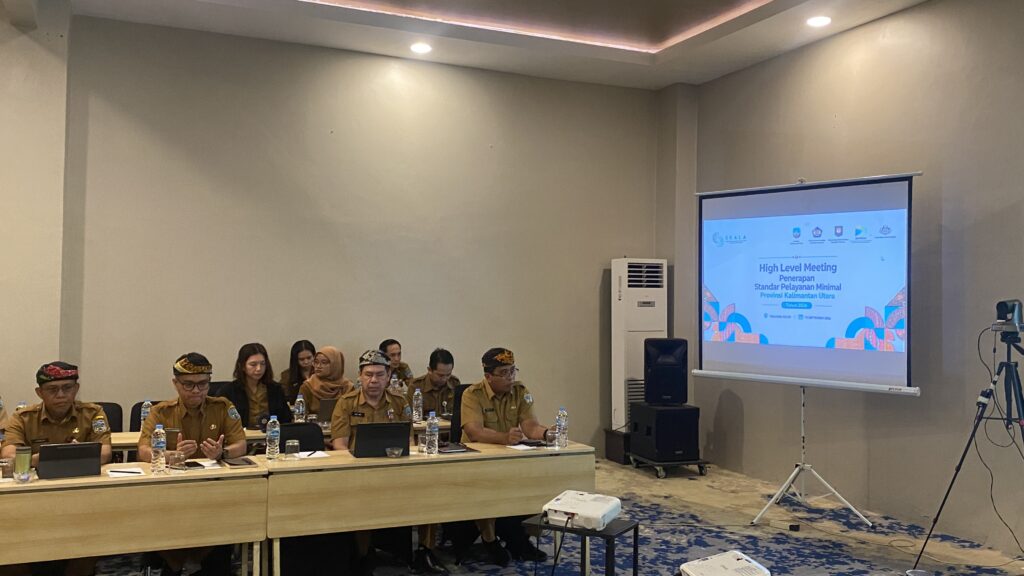
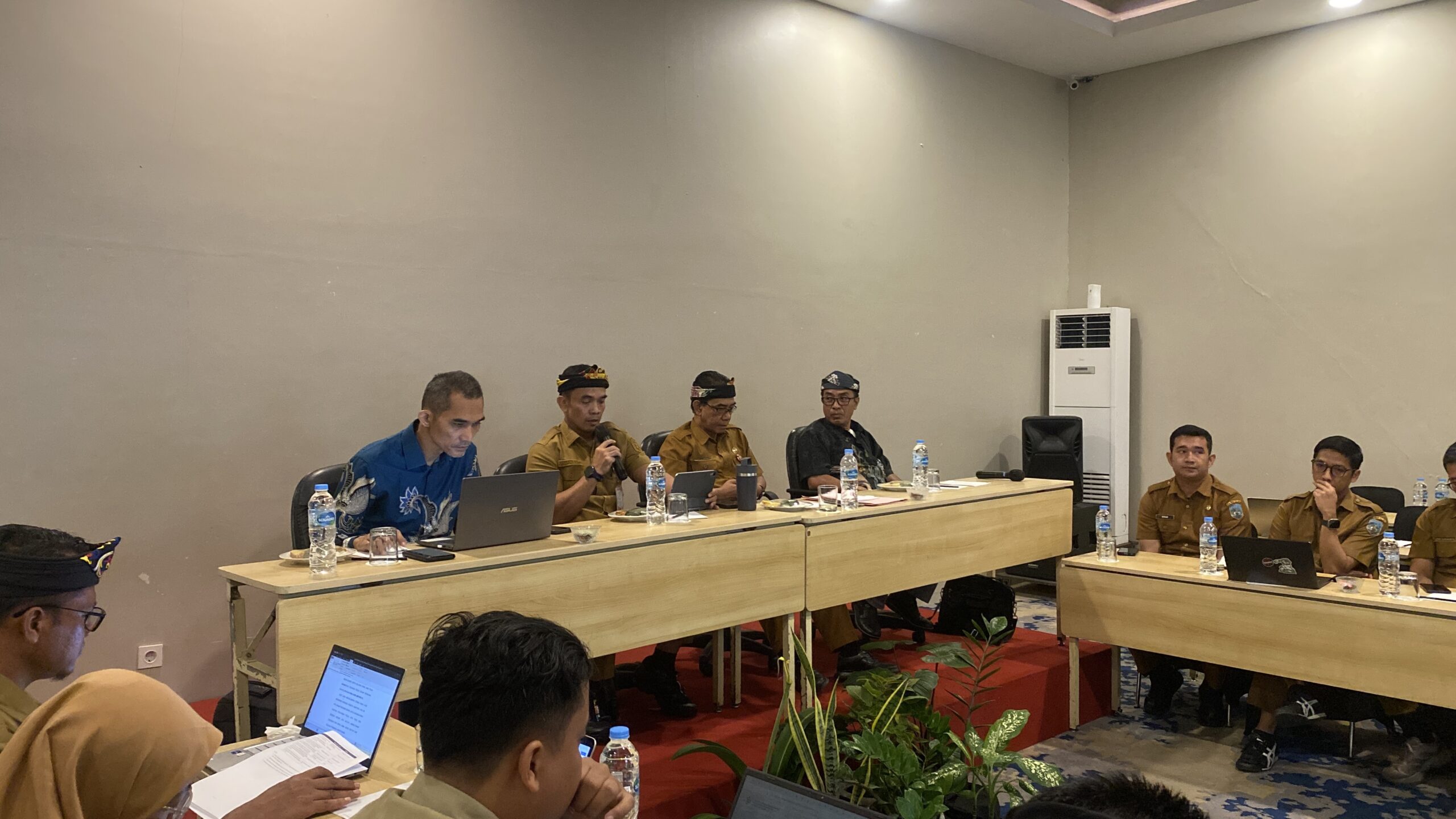
At a recent high-level meeting on SPM implementation in Tanjung Selor, Kaltara Provincial Secretary, H. Denny Harianto SE MM, highlighted the importance of using SPM as a reference throughout the regional development cycle. This activity is supported by SKALA (Sinergi dan Kolaborasi untuk Akselerasi Layanan Dasar), Australian Indonesian Partnership.
“I have always emphasised that SPM serves as a compass, guiding our development and social support programs to ensure they remain on target,” he said.
Mr Harianto was joined by Ministry of Home Affairs and provincial government representatives at the meeting where they reviewed implementation progress, identified challenges and set follow-up actions for planning and budgeting in the coming year.
Current challenges include changes in regional fiscal capacity and the national Transfer to Regions (Transfer ke Daerah/TKD) policy. With limited resources, local governments must prioritise investments based on service gaps, what communities have the most urgent needs and the potential benefits for residents.
Effective SPM implementation also depends on coordination across government institutions. The Regional Development Planning, Research and Innovation Agency (Bapperida), Regional Finance and Asset Agency (BKAD), Provincial Inspectorate and agencies responsible for SPM delivery each play complementary roles to support service targets with suitable planning, budgeting, implementation and oversight.
This approach is consistent with Law No. 23 of 2014 on Local Government and Ministry of Home Affairs Regulation No. 59 of 2021 on the Implementation of Minimum Service Standards.
Moving beyond indicators to improve service quality
Kaltara’s efforts to strengthen SPM implementation are building on its previous achievements. At the 2023 SPM Awards organised by the Ministry of Home Affairs, the province ranked first nationally for its implementation of SPM during the 2022 financial year.
This achievement provides a strong foundation for continued improvements. However, success cannot be measured solely through compliance with indicators or the completeness of reporting. SPM implementation must translate into better access, improved service quality and more sustainable basic services for communities.
Achieving this requires a shift from focusing on administrative compliance to ensuring service delivery responds more effectively to people’s needs. Targets and indicators remain important for measuring progress, but the quality of services and the benefits experienced by communities must remain the central priorities.
For Kaltara, this approach is particularly relevant given its diverse geography and varying service delivery needs. While national standards provide a common benchmark, implementation strategies must be adapted to local circumstances, institutional capacity and the needs of different population groups.
Accurate and up-to-date data helps local governments identify these circumstances, assess needs, establish service targets and design interventions that respond to actual conditions. By improving data quality, aligning planning and budgeting, and strengthening coordination across local government agencies, the Kaltara Provincial Government is well on its way to embedding SPM into regional development governance. The results will be tangible benefits for communities: more accessible education and healthcare, better basic infrastructure, and social protection and services that respond to people’s needs no matter where they live.