


Knowledge Exchange between Maluku and Aceh Strengthens Basic Service Delivery
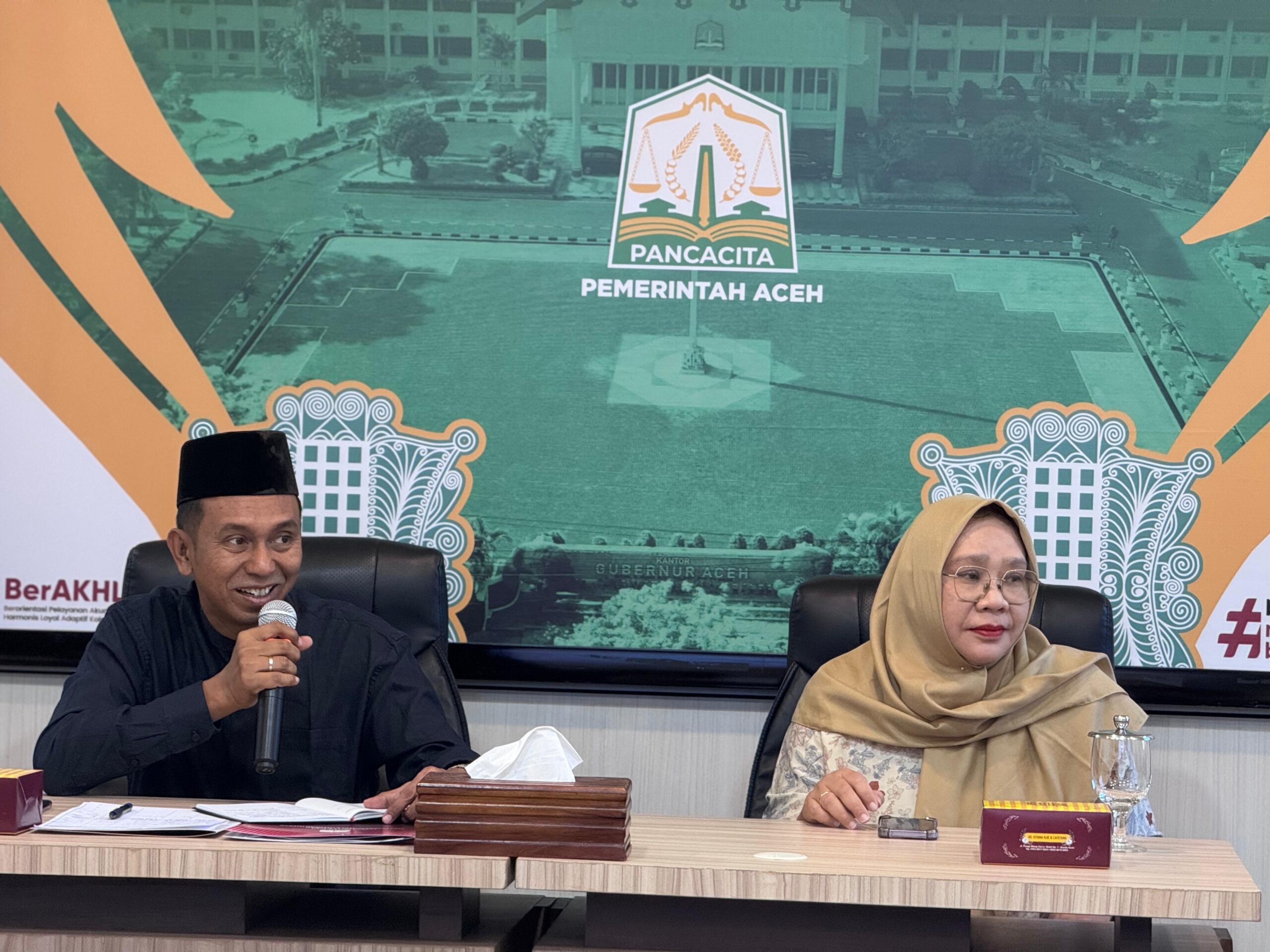
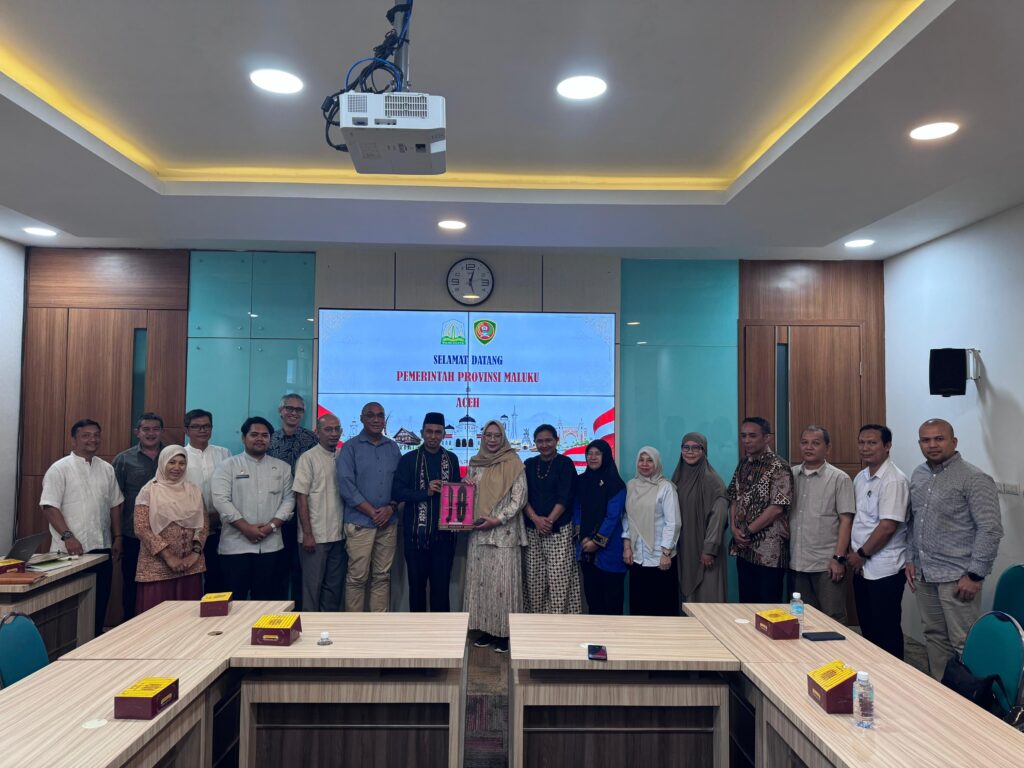
A Maluku Provincial Government delegation visited Aceh on 28 August 2026 to learn about how Aceh coordinates, supports and oversees the implementation of Indonesia’s Minimum Service Standards (Standar Pelayanan Minimal/SPM).
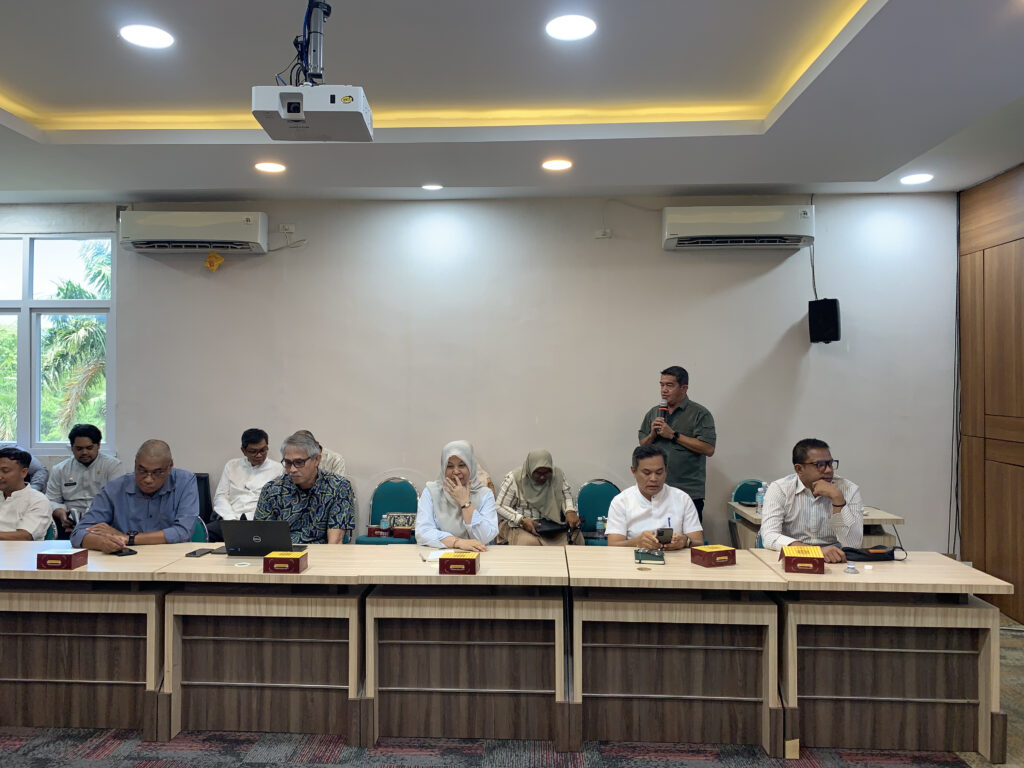
The knowledge exchange, held at the Aceh Provincial Secretariat, was convened by Head of the Government and Regional Autonomy Bureau of the Aceh Provincial Secretariat, Bob Mizwar, alongside Aceh’s SPM Implementation Team, the Aceh Inspectorate, and the Statistics Technical Implementation Unit of the Aceh Communication, Informatics and Encryption Office.
Mr Mizwar said the exchange provided an opportunity for Aceh and Maluku to share experiences and strengthen efforts to ensure SPM implementation supported the delivery of basic services to communities.
“We welcome this meeting as an opportunity to learn from one another, exchange experiences, and strengthen collaboration in implementing SPM,” he said.
The Maluku delegation was led by Senior Policy Analyst at the Government Bureau of the Maluku Provincial Secretariat, Fristina Susianti, who was accompanied by representatives from the Government Bureau, Provincial Inspectorate, Health Office, and Public Works and Spatial Planning Office.
How Aceh is implementing SPM
SPM implementation involves a series of interconnected processes, beginning with data availability and needs assessment, followed by setting program and activity priorities, allocating budgets, delivering services and reporting results.
SPM are being integrated into Aceh’s planning and budgeting cycle. The Aceh Provincial Government is encouraging the responsible agencies to translate SPM targets into programs, activities and budget allocations and to monitor these regularly.
To support this process, the provincial government has set up an SPM consultation clinic, which provides a forum for coordination and technical guidance for government agencies at both provincial and district/city levels.
“What we are building is not only a reporting system, but a process that ensures SPM are fully integrated into planning, budgeting, implementation, supervision and evaluation. The key is leadership commitment and collaboration across all government agencies,” Mr Mizwar said.
He also emphasised that SPM implementation goes beyond meeting administrative and reporting requirements, ensuring that every eligible citizen received the basic services to which they were entitled.
Strengthening SPM implementation at district and city level
During the knowledge exchange, the Maluku delegation explored Aceh’s approach to coordinating with and supporting district and city governments, the use of data including the National Socioeconomic Single Data (DTSEN), the integration of SPM into planning and budgeting documents, and mechanisms for reporting and accelerating basic service delivery.
Participants discussed how Aceh supported its district and city governments to update target data after the hydrometeorological disaster1 of November 2025. Government agencies in 18 districts and cities reassessed their 2026 SPM targets related to the impacts of the disaster, allowing service planning to be adjusted to changing conditions and community needs.
The discussion also involved agencies responsible for the six mandatory basic service sectors: education, health, public works, housing, public safety/order and social services. They shared experiences on challenges, approaches and innovations developed within their respective mandates.
Sharing good practices into the future
The knowledge exchange gave Maluku an opportunity to identify practices that could be adapted to its own context and needs. Each region has different characteristics, challenges and capacities, so approaches need to be tailored accordingly.
Mr Mizwar said he hoped the Aceh and Maluku governments would continue to share good practices, particularly in institutional arrangements, data, planning, budgeting, implementation, supervision and SPM reporting.
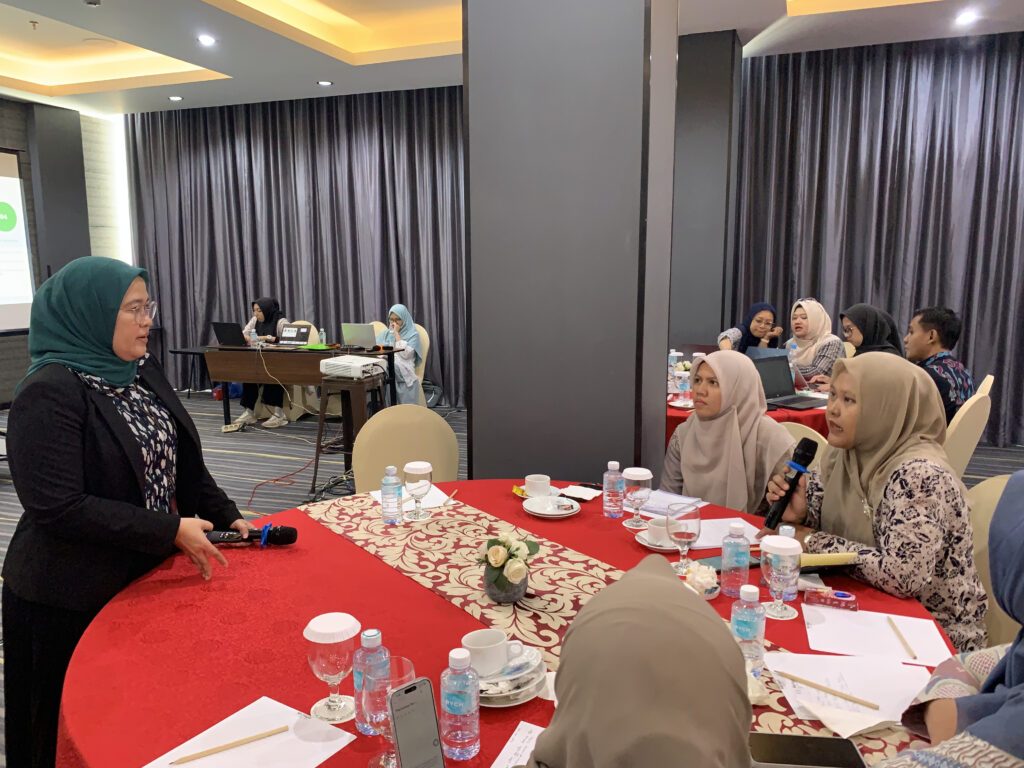
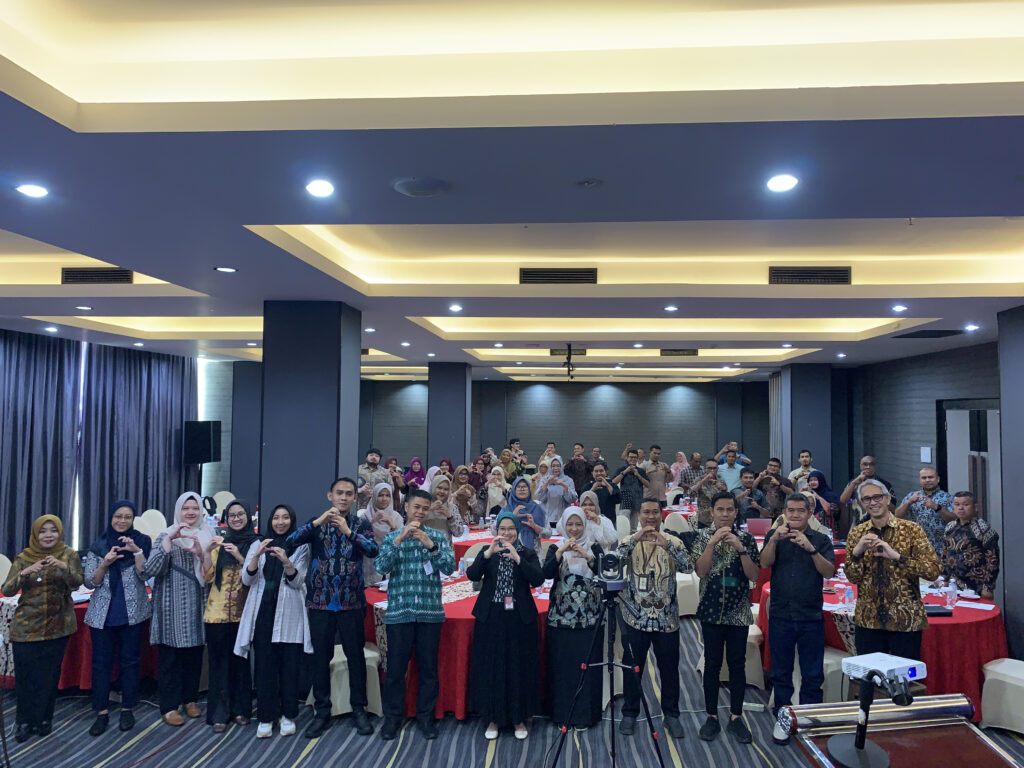
SKALA, the Australia–Indonesia partnership program, facilitated the visit of Maluku’s SPM Implementation Team to the Aceh Provincial Secretariat as part of a workshop on the review of the Draft Regional Revenue and Expenditure Budget (RAPBD) and reporting guidelines for earmarked General Allocation Funds (DAU), organised by Inspectorate II of the Ministry of Home Affairs’ Inspectorate General. The visit formed part of broader efforts to strengthen SPM implementation, peer learning between regions, and local government capacity in basic service delivery.
Going forward, lessons from the exchange are expected to inform stronger coordination, better use of data, and further integration of SPM into planning and budgeting in Maluku. Continued sharing between the two provinces will also support more consistent SPM implementation that responds to community needs.