


Strengthening NTT’s Fiscal Capacity through Local Tax Optimisation
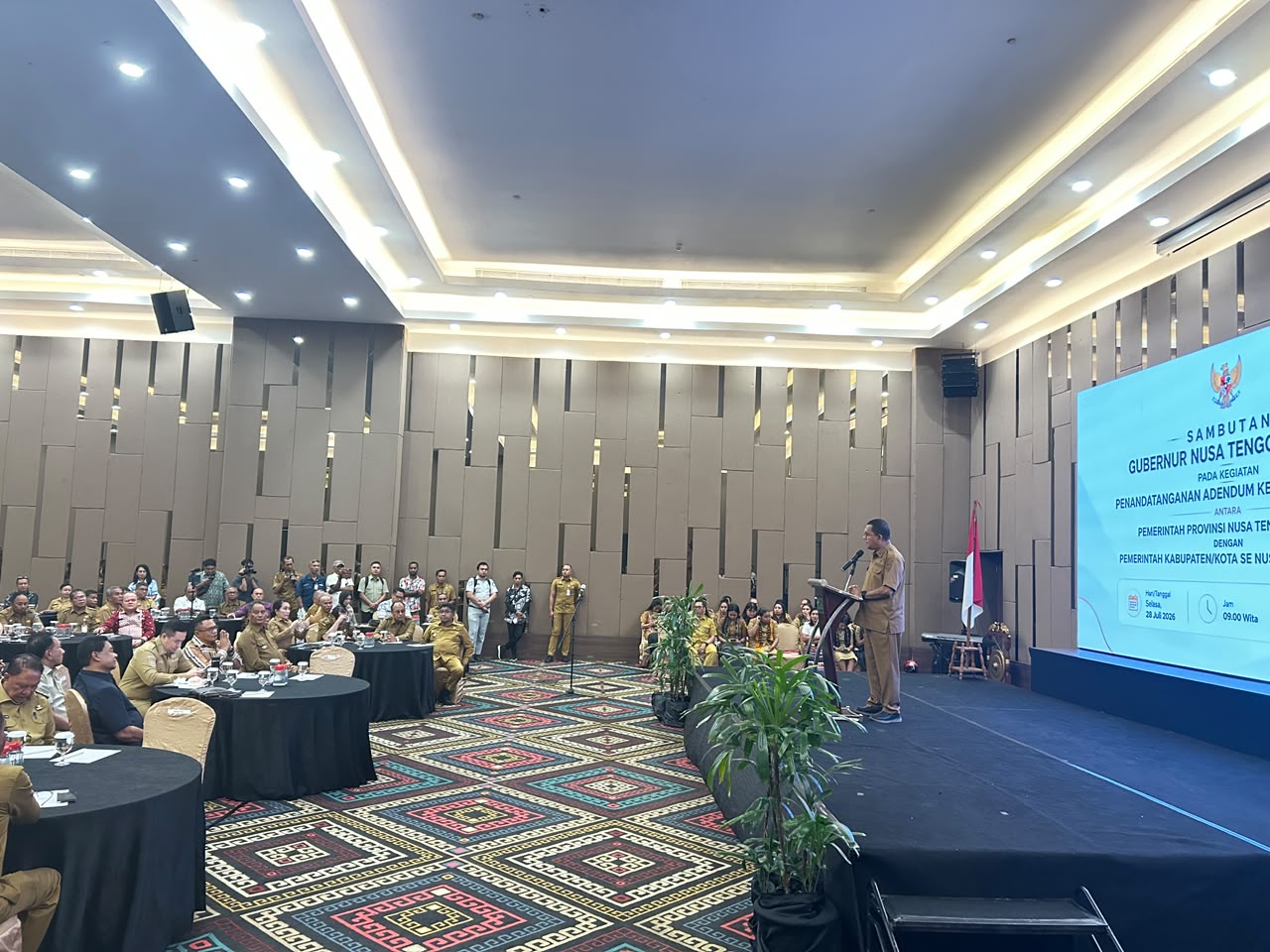
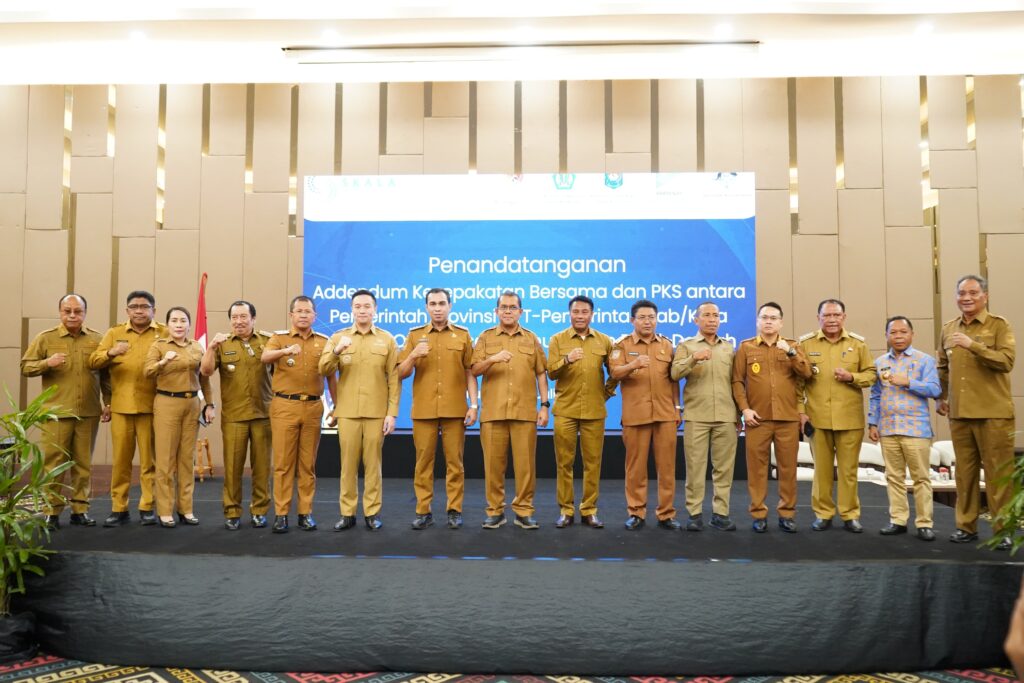
The East Nusa Tenggara (NTT) Provincial Government and 22 district and city governments have formalised a collaboration to optimise local tax revenue.
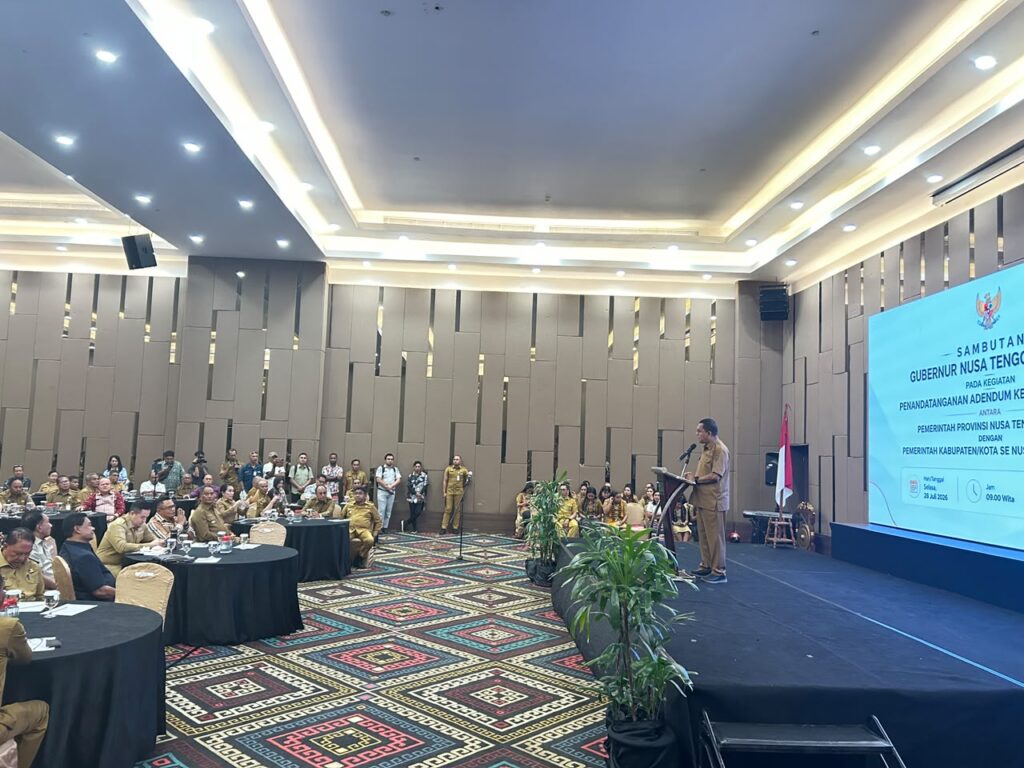
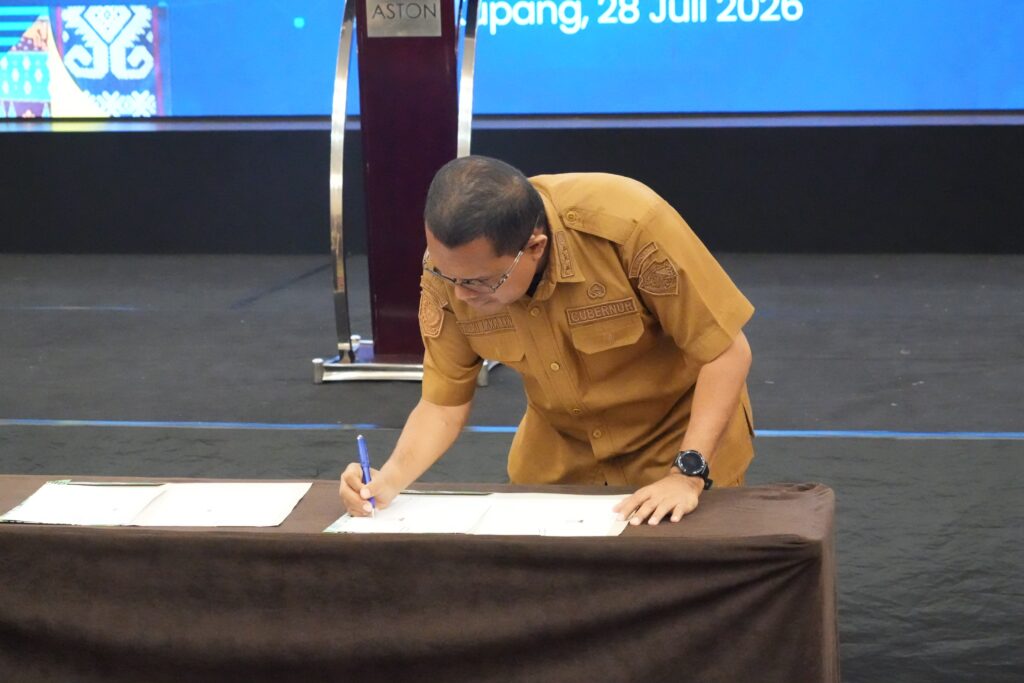
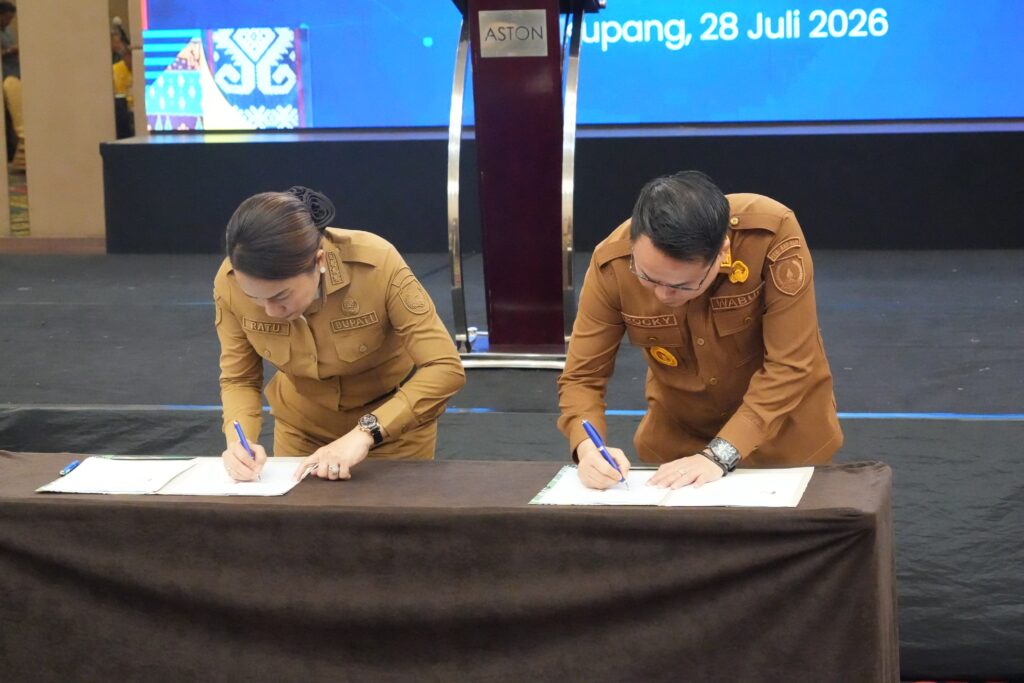
On 28 July 2026 government officials – including the NTT Governor and Mayor of Kupang – signed an addendum to a 2024 cooperation agreement to refine how different levels of government will work together on tax administration.
The addendum reflects new regulatory developments, operational requirements and implementation of the tax surcharge mechanism as part of reforms to fiscal relations between the central and subnational governments.
This collaboration is considered essential to expand local fiscal capacity to finance development and improve the quality of public services.
Specifically the provincial, district and city governments will work together to collect the motor vehicle tax, motor vehicle tax surcharge, motor vehicle title transfer fee surcharge, and the non-metallic minerals and rocks tax surcharge.
Improved data exchange, stronger service delivery, clearer authority and responsibility and coordinated oversight will enable each level of government to collect tax in a more integrated, effective and accountable manner.
Strengthening tax compliance and services
Motor vehicle taxes and tax surcharges are important sources of locally generated revenue and need to be managed effectively. However, 2025 data shows that of 749,866 vehicles liable for taxation in NTT, payment had only been received for 415,314. This is a compliance rate of just 55.35 per cent, which indicates that current revenue from the motor vehicle tax and the motor vehicle tax surcharge of IDR 516.08 billion has considerable scope to be increased.
NTT Governor Emanuel Melkiades Laka Lena emphasised the importance of optimising all potential sources of local revenue in the current fiscal environment.
“Increasingly dynamic fiscal conditions require local governments to manage all potential sources of revenue optimally and in accordance with applicable laws and regulations. We therefore need to strengthen coordination, improve services for the public and refine policies that encourage taxpayer compliance,” he said.
The NTT Provincial Government has issued several policies to encourage compliance and make it easier for residents to meet their tax obligations. NTT Governor’s Regulation No. 13 of 2025 governs the optimisation of motor vehicle tax administration, while NTT Governor’s Regulation No. 32 of 2026 provides motor vehicle tax relief, including reductions in tax principal, penalty waivers and concessions relating to vehicle ownership transfers.
Implementation of these policies has begun to increase motor vehicle tax revenue in several districts and cities. This progress demonstrates that policies supported by effective coordination, public outreach, oversight and more accessible services can improve taxpayer compliance while strengthening local fiscal capacity.
Southwest Sumba District Head Ratu Ngadu Bonnu Wulla expressed her government’s commitment to supporting implementation of these policies. She said the regulations issued by the NTT Provincial Government provide legal certainty and strengthen local government efforts to improve taxpayer compliance.
“For us in Southwest Sumba, this Governor’s Regulation is a valuable opportunity because it provides strong support for local governments to optimise their revenue potential. With a clear legal basis, we are more confident to carry out oversight, enforcement and other measures to improve motor vehicle tax compliance.”
Promoting inclusive fiscal policies
Efforts to strengthen local revenue are being implemented alongside measures to make tax policy more inclusive. Under NTT Governor’s Regulation No. 43 of 2025, people with disability who own vehicles registered in their own names can receive up to 50 per cent off their motor vehicle tax. This type of local fiscal reform not only functions to increase revenue, but also provides assistance which responds to the needs of vulnerable groups.
The provincial, district and city governments have developed a common understanding on how to deliver the motor vehicle tax relief for people with disability – crucial to ensuring the concession is implemented consistently, is properly targeted and provides tangible benefits to the community.
Head of the NTT Provincial Revenue and Asset Agency, Johny Ericson Ataupah, said the addendum to the cooperation agreement clarified each party’s responsibilities, authority, rights and obligations. Next steps include the exchange of tax data and strengthening of the One-Stop Administration Services Office (Samsat), public outreach, taxpayer oversight, joint compliance operations and expanded tax payment services.
This collaboration is supported by SKALA (Synergy and Collaboration for Accelerating Basic Services), an Australia–Indonesia partnership program. Support focuses on facilitating coordination between the provincial, district and city governments, strengthening government officials’ capacity, and refining cooperation mechanisms and documents to promote more effective, transparent, inclusive and accountable local revenue governance. SKALA’s earlier support for the motor vehicle tax relief policy for people with disability included technical input into policy documents and stronger coordination among relevant stakeholders.
Implementation of the addendum to the cooperation agreement is expected to provide a foundation for increasingly integrated local revenue management. Through more optimal revenue collection and stronger governance, the provincial, district and city governments will be better positioned to strengthen fiscal capacity, finance inclusive development, expand access to basic services and improve the quality of public services across NTT.