


New Gorontalo Law Aims to Ensure Equal Access to Public Services
Gorontalo has become one of Indonesia’s provinces to enshrine gender equality and social inclusion in law. With backing from the national government, the provincial legislature and development partners, the challenge now is turning this policy into tangible practice.
When women, girls and people with disabilities face barriers to healthcare, education, economic opportunities or participation in public decision-making, entire communities pay the price. Gorontalo Province is moving to close these gaps through Regional Regulation No. 1 of 2026, which aims to ensure that gender equality and inclusion are embedded at every stage of regional development, from planning and budgeting through to evaluation.
Gorontalo’s move is part of a broader national push. Indonesia’s National Medium-Term Development Plan places gender equality and social inclusion at the centre of human development, yet local implementation across the archipelago remains inconsistent. By transforming these national goals into a local law, Gorontalo is positioning itself as a pioneer, creating what national planning officials call a ‘golden asset’ that mandates that equality and social inclusion be treated as a legal requirement rather than a suggestion.
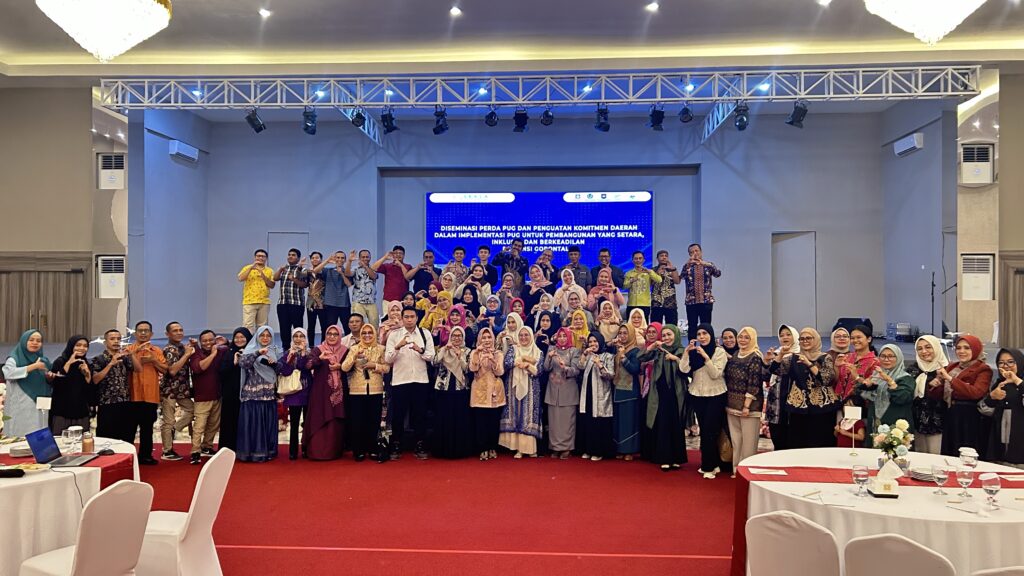
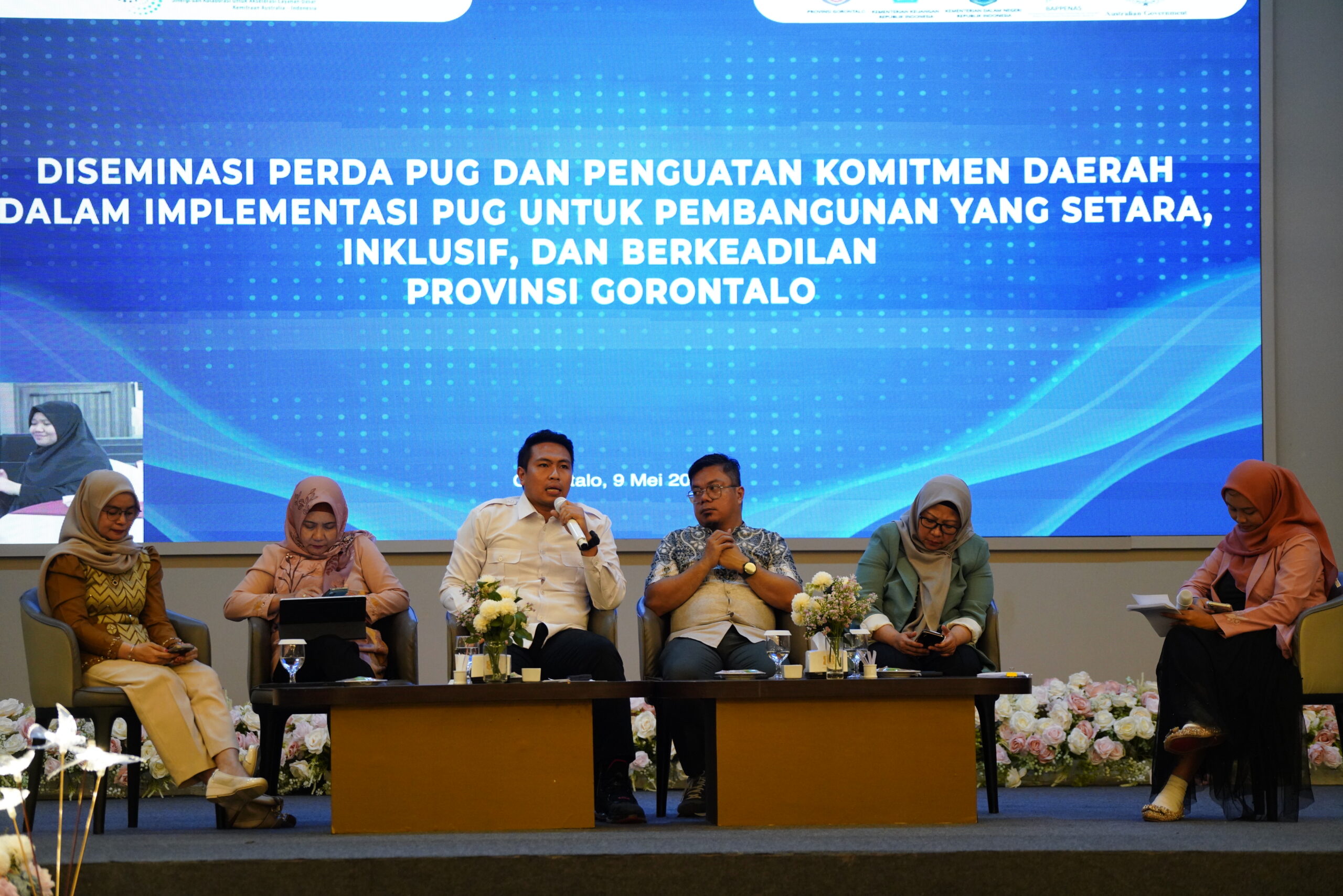
These commitments were reinforced at a high-level event in Gorontalo in May 2026, bringing together national and regional government, the provincial legislature, development partners and civil society to agree on the regulation’s implementation.
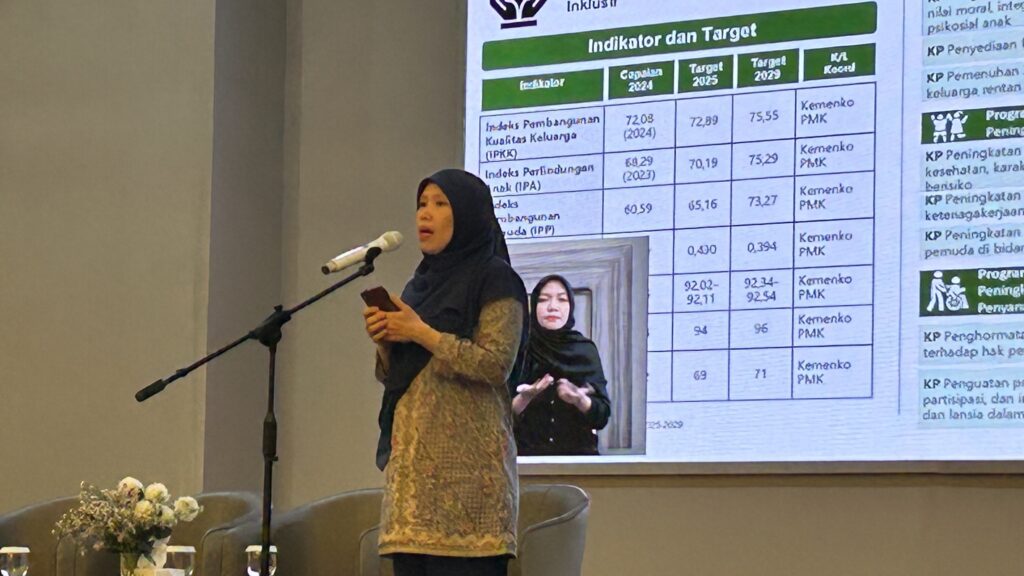
The event was attended by Amurwani Dwi Lestariningsih, Deputy for Gender Equality at the Ministry of Women’s Empowerment and Child Protection (PPPA), who praised Gorontalo for becoming a pioneer at a time when similar regulations remain inconsistent across other provinces. She cautioned, however, that the existence of the regulation is only the first step.
‘Gender mainstreaming must not remain merely on paper. Regions require genuine breakthroughs and innovation so that these policies deliver a tangible impact for the community. Evaluation should not focus solely on administrative reports, but rather on the extent of the actual change delivered,’ she said.
Amurwani urged regencies and cities throughout Gorontalo to develop programs tailored to their specific local needs.
This call was echoed by Qurrota Ayun, Director for Family, Parenting, Women and Children at the Ministry of National Development Planning (Bappenas), who emphasised that the central government continues to ensure gender equality and inclusion are integrated into all planning documents, from national policy through to subnational implementation.
‘Gorontalo’s Gender Mainstreaming Regulation is a golden asset. We want equality and social inclusion to be more than well-written words. They must be operational and deliver real benefits. That requires a legal framework, cross-sector coordination, technical guidelines and rigorous monitoring systems to achieve sustainable development targets,’ she said.
The Gorontalo Provincial Government is working with the Australia-Indonesia Partnership Program, SKALA (Synergy and Collaboration for the Acceleration of Basic Services), to help put the regulation into practice. Lisa Humaidah, SKALA’s Head of Gender, Equality, Disability and Social Inclusion, said the primary focus is ensuring that vulnerable groups are reflected in the regional planning and budgeting documents that determine public spending.
‘Inclusive development means creating equal space for everyone. Issues such as maternal and child health, parenting and economic opportunities for women must be supported by effective systems. Men and women alike deserve equal opportunities to contribute to and benefit from regional progress,’ she said.
The provincial legislature has committed to backing the regulation. Espin Tuli, of Gorontalo Regional Assembly, said the Assembly will use its budgeting and oversight functions to strengthen funding for agencies working directly with women, children and people with disabilities.
‘We will ensure this regulation is implemented consistently and is not merely ceremonial. The results must be visible within the community,’ Espin said.
The event was attended by the Head of the Provincial PPPA Office, Yana Yanti Suleman, along with local government officials, law enforcement, academics, civil society organisations, the private sector and the media.
Gorontalo’s Gender Mainstreaming Regulation is more than a legal document. It is a public commitment that equality and inclusion will shape the province’s planning, spending and service delivery. Designed to serve as a bridge towards fairer public services, the real test is ensuring the regulation improves the lives of every woman, man and person with a disability across the province, not just in policy documents but in daily life.