


Six Provinces Advance Satu Data Implementation
For too long, fragmented and inconsistent data meant that Indonesia’s most vulnerable communities, including elderly people, people with disability and those in the informal sector, missed out on services they were entitled to. A national policy to address this is gaining traction but turning that ambition into reality across hundreds of provinces, regencies and cities remains a work in progress. A recent workshop (April, 2026) in Bekasi, West Java, brought together six provinces to take stock of where things stand and what still needs to be done.
Indonesia’s rapid decentralisation from 2001 transferred planning responsibilities to subnational governments, but data systems did not keep pace. Agencies collected similar data using different methods, making it difficult to reconcile information across sectors and levels of government. As a result, people who needed essential government services were often missed, while misallocation of resources persisted. The central government introduced the Satu Data Indonesia policy in 2019 to address this, establishing a framework for collecting, sharing and managing data to support more effective, evidence-based planning and service delivery.
Since its introduction, Satu Data Indonesia has driven progress. More subnational government agencies share data through common platforms, coordinate through Satu Data Forums and use online portals to share standardised information. This helps governments identify who needs services, where gaps remain and allocate resources more accurately, particularly for vulnerable groups. The policy is establishing more consistent data management practices across Indonesia’s complex, decentralised system of government. However, key challenges remain, including inconsistent standards, limited technical capacity and agencies continuing to work in isolation. The central task is to translate national policy into effective implementation at the subnational level.
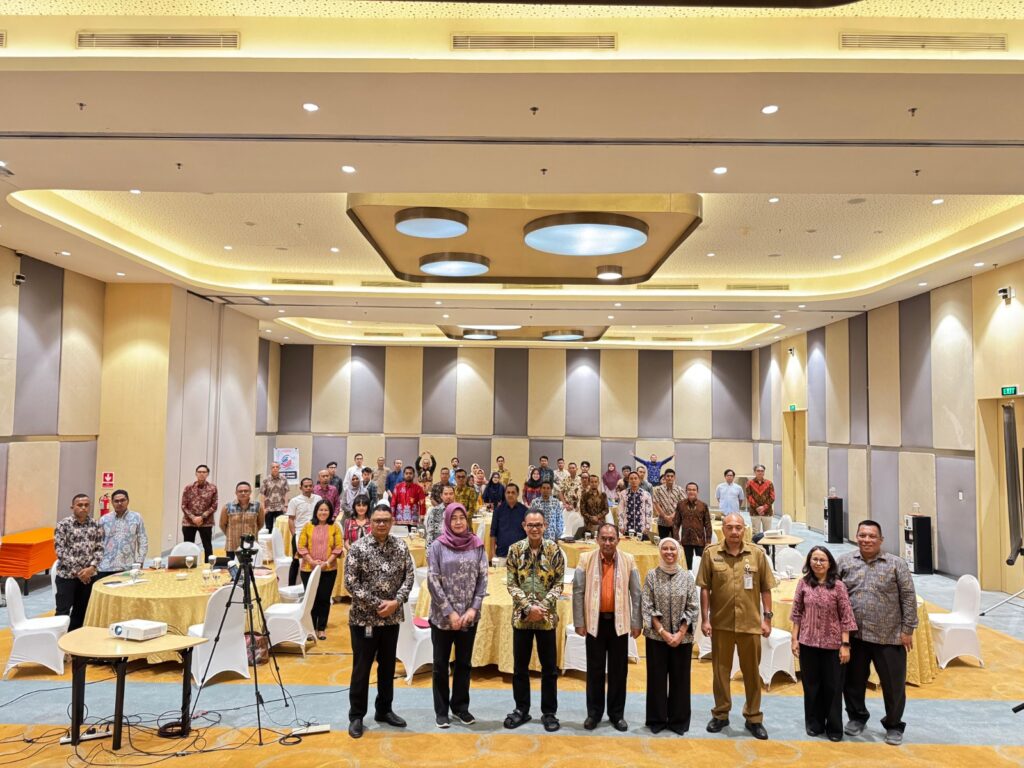
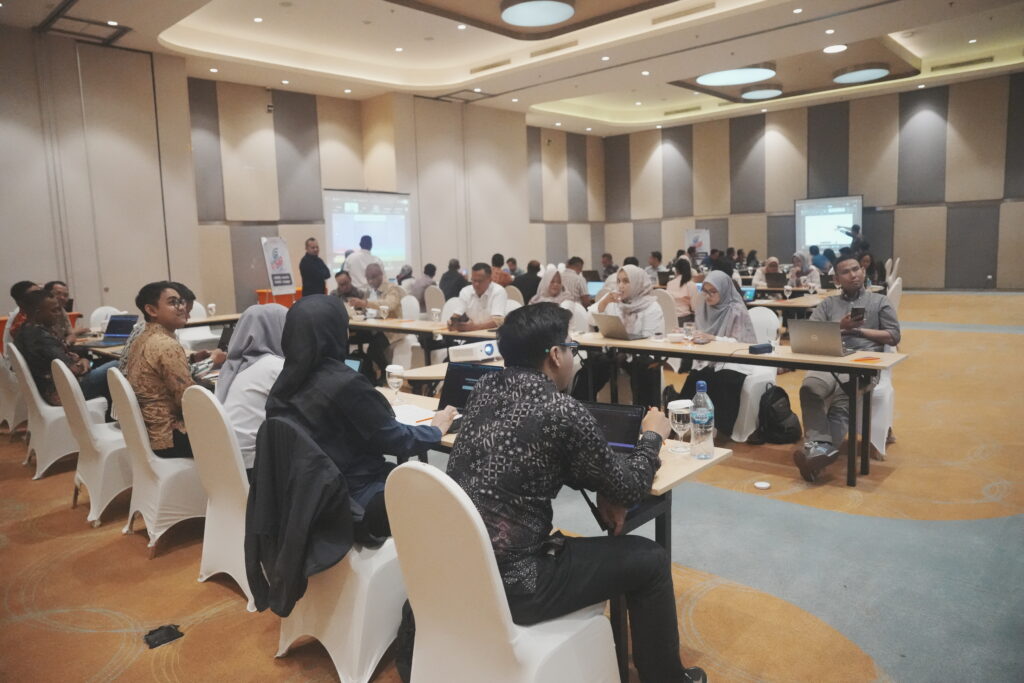
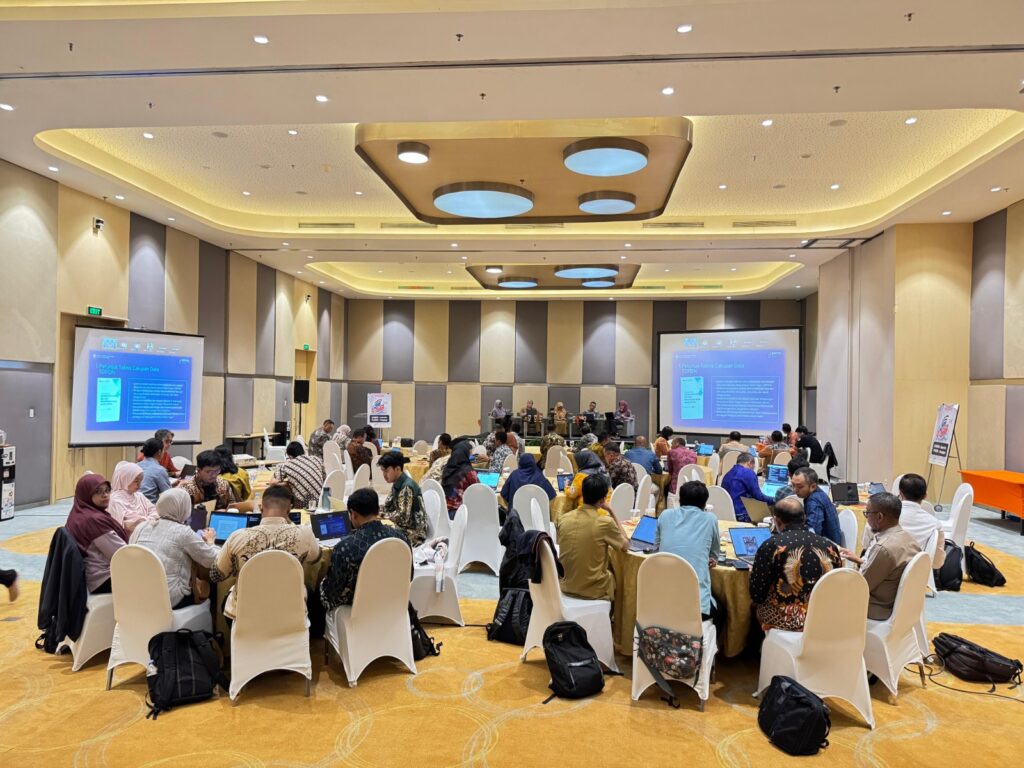
Against this backdrop, the Data and Information Centre (Pusdatin) of the Ministry of Home Affairs (Kemendagri) convened a Regional Satu Data Implementation Reflection Workshop in Bekasi in April 2026. The workshop brought together participants from six provinces and Kemendagri to assess progress, identify challenges and share lessons learned from implementation. Several provinces demonstrated tangible progress, including strengthening regulations to operationalise Satu Data, developing integrated subnational data portals and activating Satu Data Forums. Progress, however, has not been uniform. Provinces at different levels of readiness require tailored capacity-building approaches.
This uneven progress is evident across six provinces: Aceh, North Kalimantan, West Nusa Tenggara (NTB), East Nusa Tenggara (NTT), Gorontalo and Maluku. Aceh and North Kalimantan have moved furthest. Aceh has strengthened its data regulations, convened Satu Data Forums and integrated its data portal with Kemendagri’s national data platform, the central system through which subnational data feeds into the national network. North Kalimantan achieved the same through its own provincial data portal, E-Dataku. Gorontalo, NTT, NTB and Maluku continue to make progress by strengthening institutional arrangements, developing subnational data portals and compiling data inventories that map the data held by each agency.
Facilitated by the Australia-Indonesia Partnership, SKALA (Synergy and Collaboration for the Acceleration of Basic Services), the workshop reflected these positive trends while identifying key gaps in implementation. Muhamad Valiandra, Head of Pusdatin Kemendagri, identified three persistent gaps:
‘The main challenges … concern institutional arrangements and operation of the Satu Data Forums, gaps in the understanding and capacity of data management staff and limited use of subnational data portals’.
The provincial delegates responded constructively, with each province leaving the workshop with tailored action plans to address their respective gaps. Titus F.L. Renwarin, Head of the Maluku Province Communication and Informatics Office, representing the subnational delegations, outlined their provincial commitments from Bekasi:
‘The Maluku Provincial Government, along with fellow subnational government participants, agree to follow up on the results of this reflection workshop … by strengthening regulations, institutions, forums, action plans and data governance’.
Renwarin noted the importance of clarifying the roles of those collecting and managing government data, and accelerating integration with Kemendagri’s national data platform.
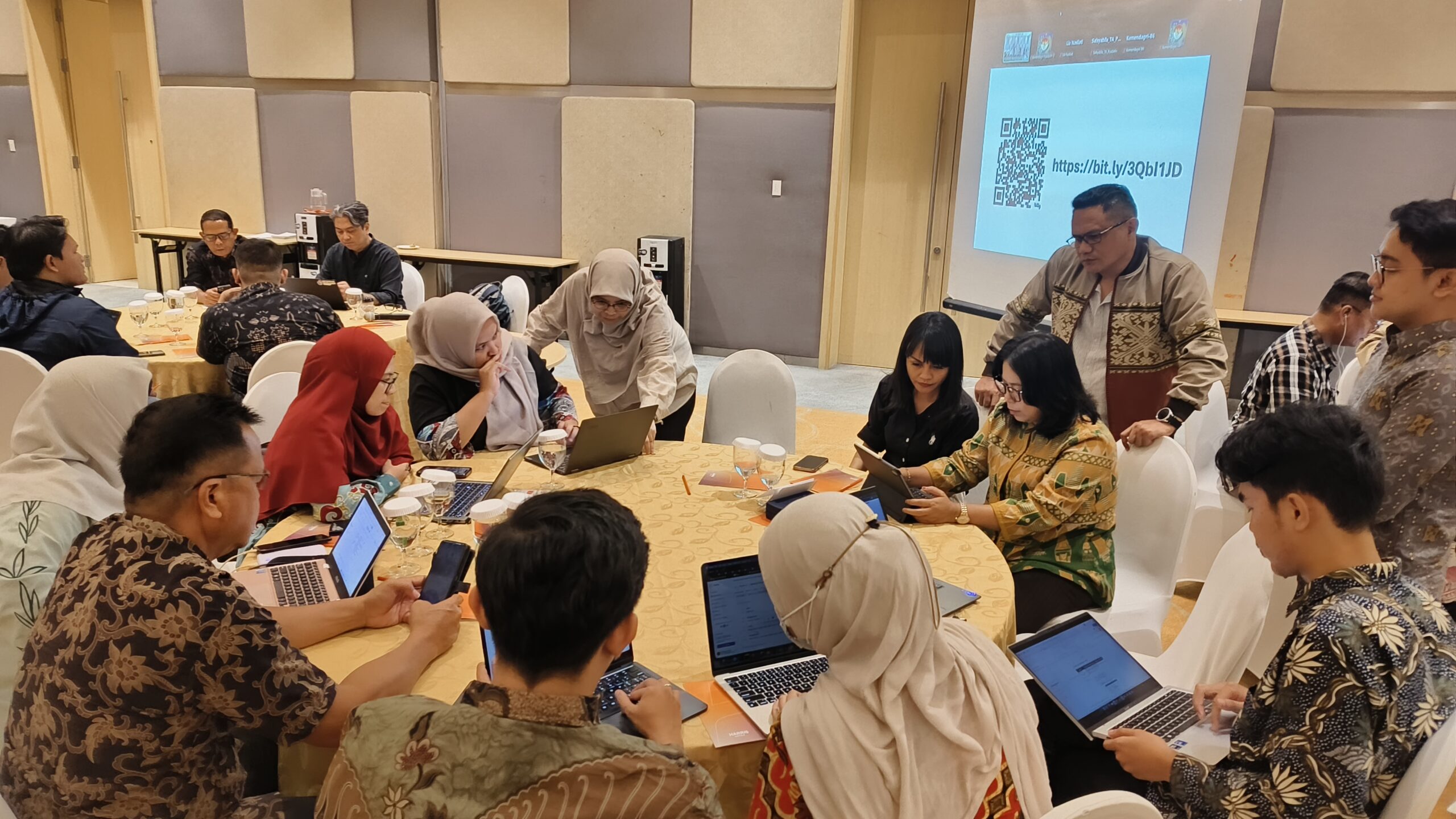
Through group discussions, provincial governments highlighted the need for capacity-building support that is practical, contextual and easily implemented on the ground. Pusdatin and the participating governments agreed on concrete steps to strengthen Satu Data implementation, recognising that capacity-building cannot be standardised across all provinces. Some governments still need to focus on consolidating their regulatory and institutional frameworks, while others have begun moving towards system integration and data-informed policy-making. The Regional Satu Data Implementation Reflection workshop underscored that strengthening Satu Data is not simply a matter of building systems. It requires sustained collaboration between the central and subnational governments to ensure that data is genuinely used for planning and decision-making. Looking ahead, efforts to strengthen Satu Data will go beyond data availability to address quality, integration and use. Stronger data systems must ensure that the people who need government services most are identified early and reached first. Not last.