


North Kalimantan Strengthens Policy Advocacy in Planning and Budgeting
In Indonesia, provincial governments management of public finances directly affects whether communities receive the basic services they need. As central-regional fiscal arrangements evolve and resources tighten, the pressure to make every budget decision count is growing. Strengthening evidence-based planning is increasingly pivotal to meeting this challenge.
The implementation of Law Number 1/2022 on Fiscal Relations between the Central Government and Regional Governments has reshaped how resources flow to provinces, while declining transfers to regions have tightened fiscal space. With central government funding decreasing and the demand for essential services increasing, regional governments prioritisation and accounting for public spending is becoming increasingly critical. Regional governments must not only understand their revenue and expenditure position but also ensure that their budgets support the delivery of high-quality, inclusive basic services. Transparent, accountable and sustainable public financial management is more important than ever.
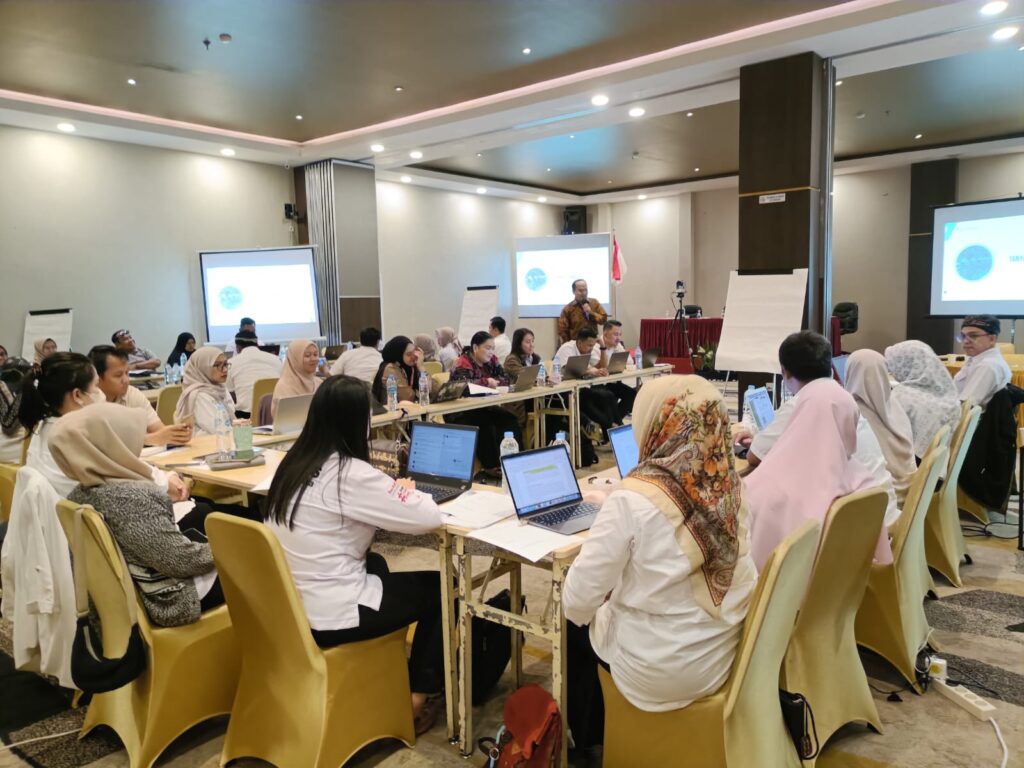
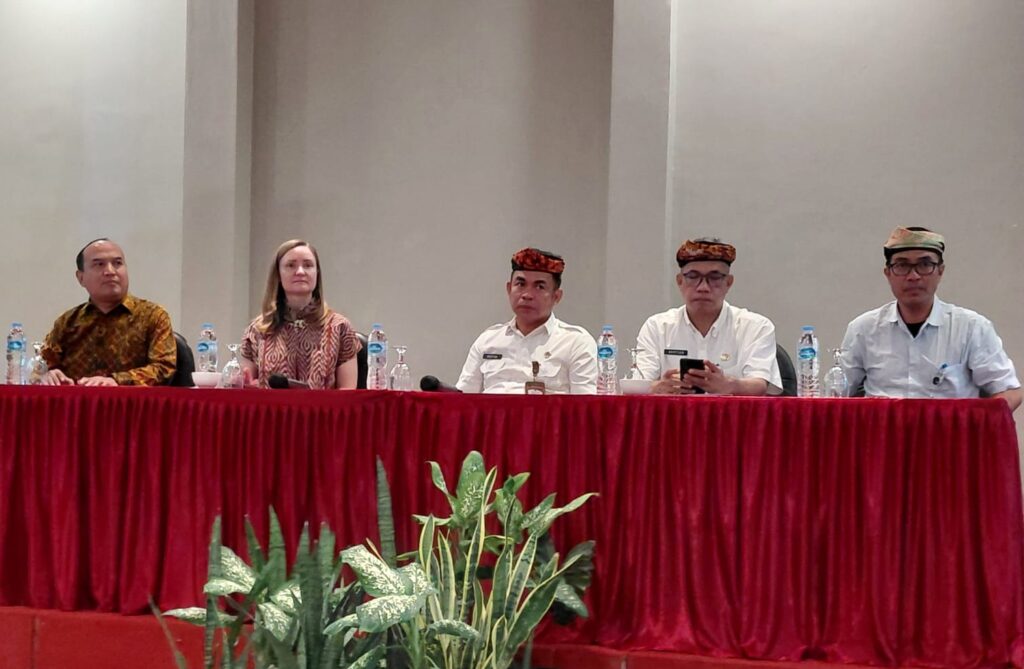
In response to these pressures, the Provincial Government of North Kalimantan, together with the Directorate of Regional Financing and Economic Affairs within the Directorate General of Fiscal Balance at the Ministry of Finance, convened a workshop in Tanjung Selor, North Kalimantan, in February 2026. The session focused on strengthening policy advocacy based on the Public Expenditure and Revenue Analysis (PERA) to facilitate the integration of its findings into regional planning and budgeting. The workshop was supported by SKALA (Synergy and Collaboration for the Acceleration of Basic Services), the Australia–Indonesia Partnership Program.
SKALA conducted the PERA Study in 2025 in collaboration with the Institute for Economic and Social Research, Faculty of Economics and Business, University of Indonesia. The study examined regional expenditure and revenue patterns in detail and identified opportunities to improve spending quality and strengthen local revenue. The findings seek to improve transparency, reinforce accountability and strengthen public confidence in regional budget management.
Fiscal Challenges and Policy Direction
The PERA study findings formed the basis of discussions among the workshop’s 76 participants, comprising senior regional government officials, policy analysts, academics and civil society representatives. On the first day, discussions focused on the implications of the study for the preparation of the Regional Government Work Plan and the Regional Revenue and Expenditure Budget.
Bustan, Assistant II of the North Kalimantan Provincial Government, noted that the province remains highly dependent on transfers from the central government.
“The reduction in transfers directly affects the provincial government’s ability to deliver basic services. This workshop can help identify opportunities to increase local revenue and propose innovative models to strengthen revenue sustainably,” he said.
Bertius, Head of the North Kalimantan Provincial Development Planning Agency, stated that the decline in transfers has limited fiscal space. Although allocations are formally recorded, in practice, regions often compete for funds that are subject to specific requirements.
“Basic services must be recognised as a core government responsibility. The provision of these services should not depend on conditional mechanisms,” he said.
Strengthening Advocacy through Policy Recommendations
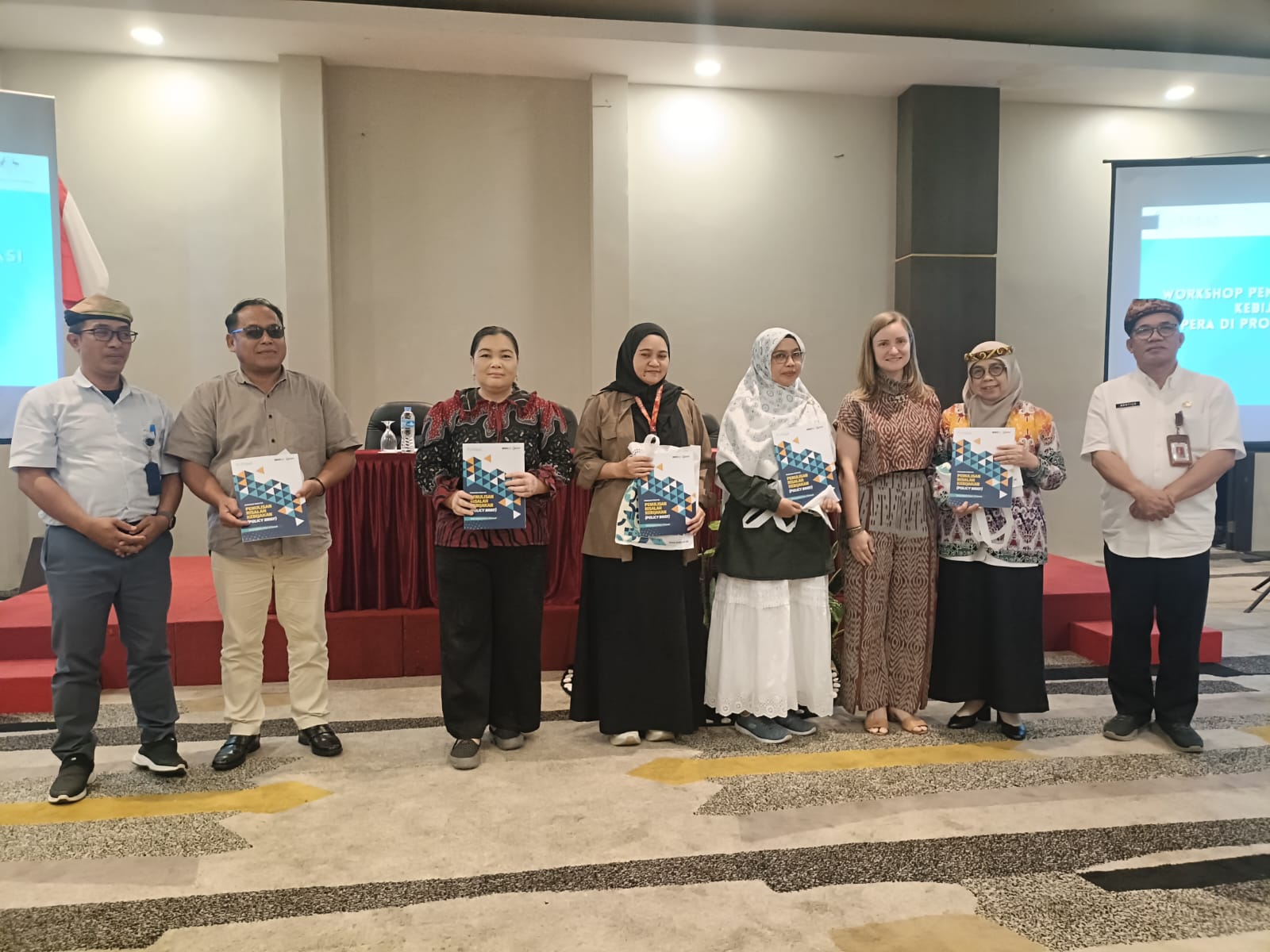
On the workshop‘s second day, 36 participants took part in an intensive session on preparing policy briefs as tools for policy advocacy. With support from the SKALA team, they identified priority issues, refined key policy messages, and drafted recommendations for integration into regional planning and budgeting documents.
The workshop produced 32 draft policy briefs that address topics such as strengthening local government own-source revenue, improving the quality of spending in education and health, strengthening basic infrastructure, and mainstreaming gender equality, disability and social inclusion (GEDSI) in public financial management. The two-day workshop received positive feedback. An internal survey found that 93 per cent of participants considered the policy brief component highly relevant to their work, and 90 per cent confirmed that the PERA Study provides a valuable reference for regional planning and budgeting. The workshop also strengthened the awareness of evidence-based policy making and highlighted the role of research-based advocacy materials in supporting decision-making at the regional level.