


Keeping Implementation on Track Amid Provincial Developments: The SKALA Provincial Program Committee Workshop Series
Provincial governments across Indonesia are at a critical juncture. They must keep development agendas on track while managing tighter budgets, adjusting to national policy shifts, and responding to rising expectations for better basic services. Changes in intergovernmental transfers, the need for budget efficiency, and increasingly complex social challenges require subnational governments to be more strategic in setting priorities and to ensure that public policy implementation reaches those most in need.
In this context, cross-sectoral and intergovernmental coordination has become increasingly important, placing provincial governments in a dual role: implementing their own policies and bridging national policy direction with implementation at the regency and city level. Without shared spaces and mechanisms for joint reflection and evaluation, the risks of policy fragmentation and less effective public expenditure become significantly greater.
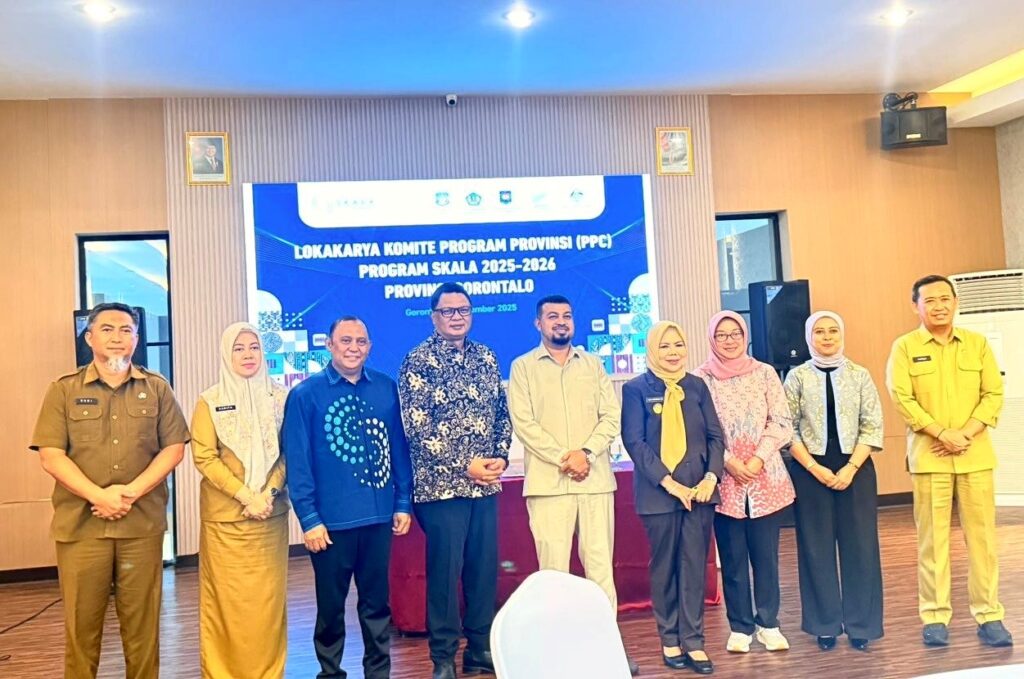
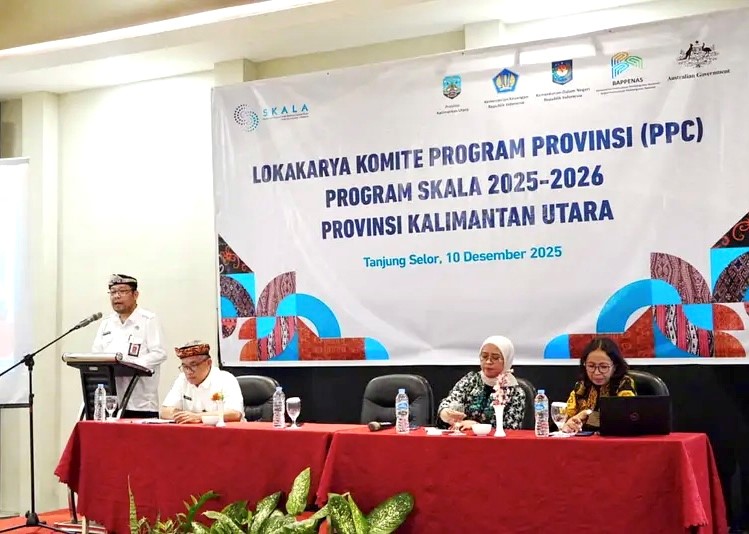
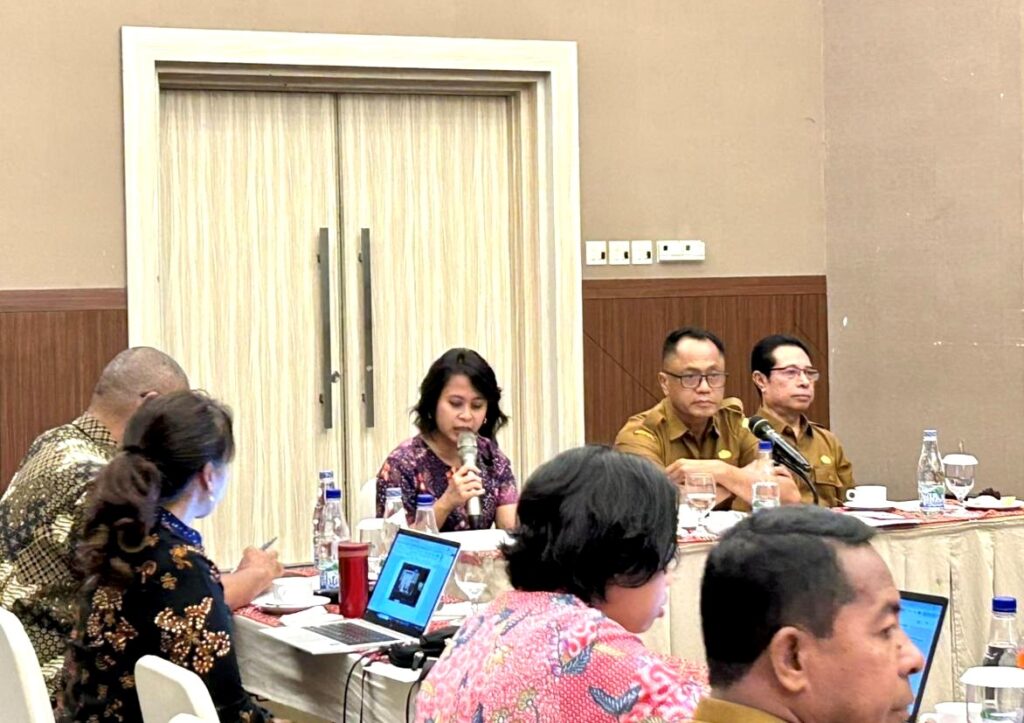
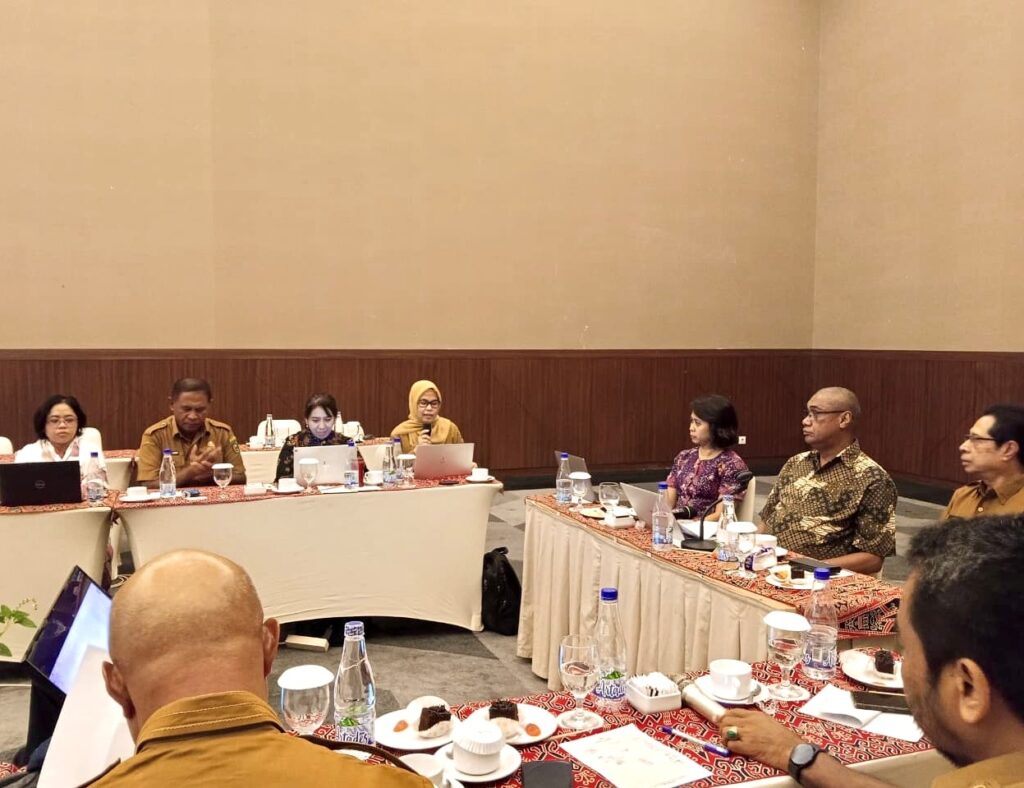
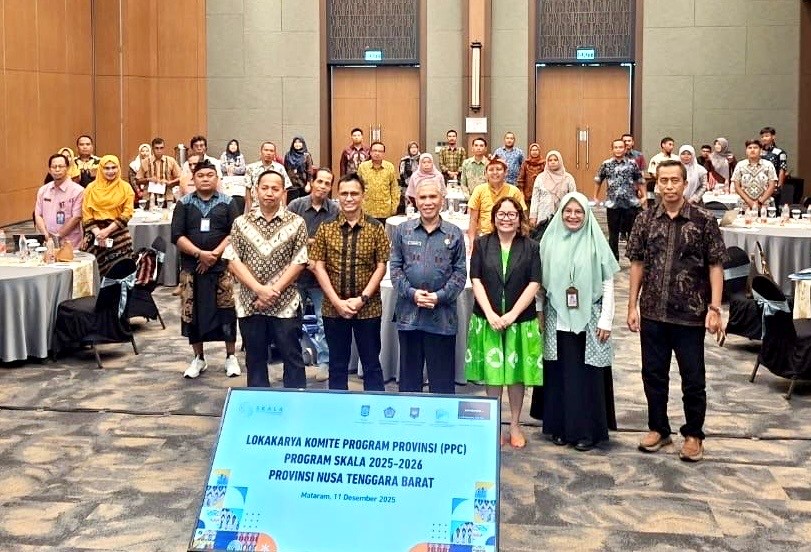
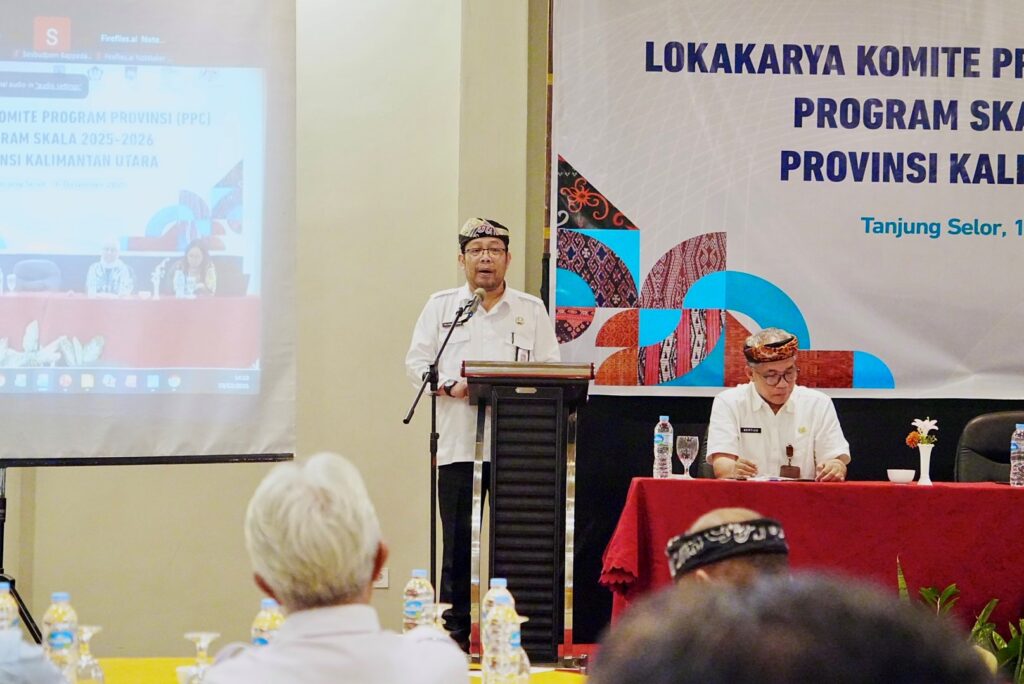
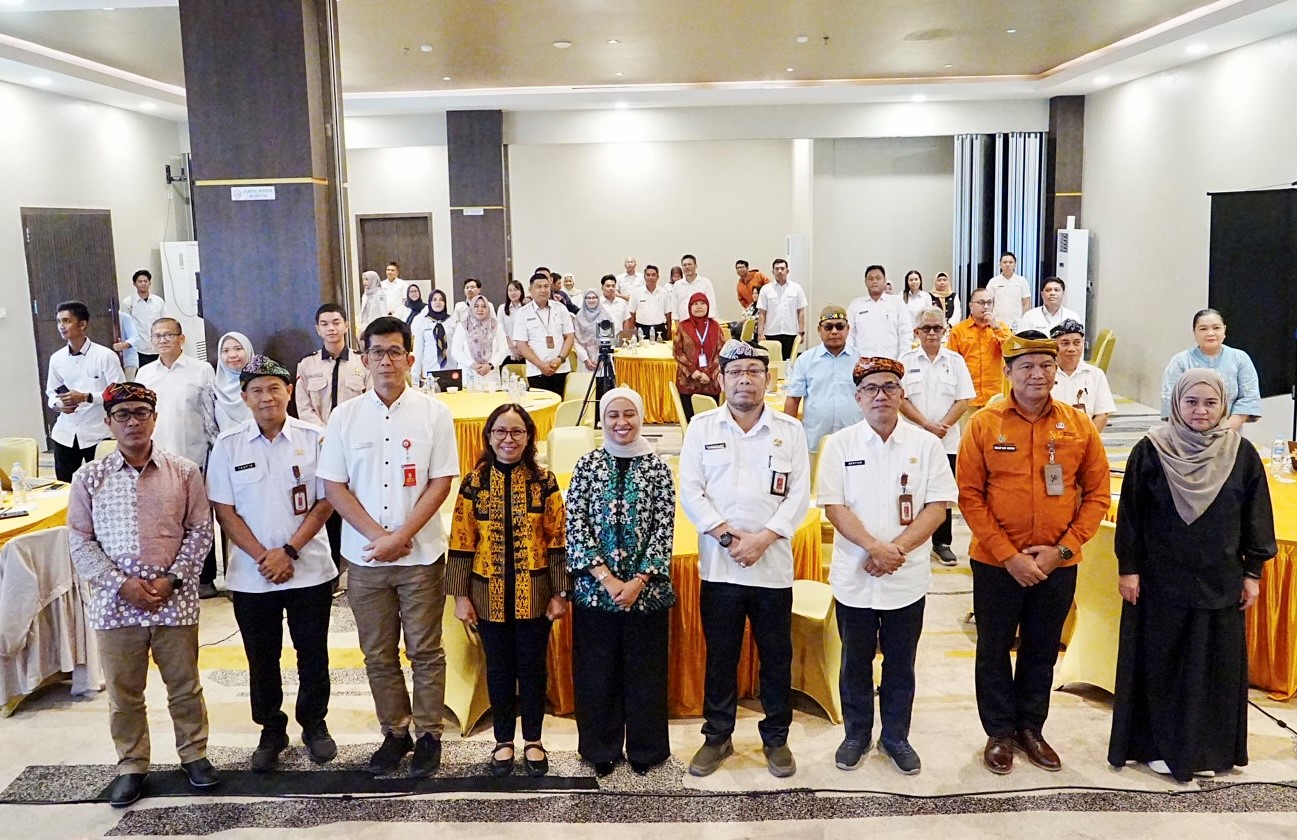
To provide these shared spaces, the provincial governments of West Nusa Tenggara, East Nusa Tenggara, North Kalimantan, Gorontalo, Maluku, and Papua convened a series of Provincial Program Committee (PPC) workshops under the SKALA Program (Sinergi dan Kolaborasi untuk Akselerasi Layanan Dasar). Held in 8-12 December 2025, the workshops provided an opportunity to report on results, reflect on lessons learned, identify implementation challenges, and agree on follow-up actions.
The PPC meetings provided a forum for coordination across a range of national and subnational institutions. Participants included representatives from the Ministry of National Development Planning (Badan Perencanaan Pembangunan Nasional), secretariats and subnational development planning agencies (Badan Perencanaan Pembangunan Daerah and Badan Perencanaan Pembangunan, Riset, dan Inovasi Daerah), and technical line agencies. Representatives from the Australian Embassy and the SKALA team also participated.
In each province, PPC discussions began with reflections on progress in implementing subnational policies, particularly in meeting Minimum Service Standards (SPM – Standar Pelayanan Minimal), strengthening public financial management, and advancing data-driven planning. Many provinces acknowledged that tightening fiscal space requires sharper development priorities, so that public spending delivers real outcomes rather than being spent ineffectually, especially for vulnerable groups.
SPM emerged as a common theme across all regions. Participants emphasised that governance improvements must go beyond the preparation of documents and regulations. The ultimate goal is to ensure that education, health, and social protection services reach communities fairly and inclusively.
At the Gorontalo PPC, a member of the Provincial Parliament, Syamsir Djafar Kyai, emphasised the importance of strengthening data systems and involving vulnerable groups in program evaluation.
‘Strengthening data and the inclusion of vulnerable groups must be the basis for evaluating development programs. Coordination across government agencies needs to be reinforced so that planning responds to the real needs of communities,’ Syamsir Djafar Kyai said.
The need to strengthen development data was echoed across many provinces. Several highlighted the importance of up-to-date, disaggregated, and integrated socioeconomic data to improve planning, budgeting, and beneficiary targeting, particularly for those most in need.
In Papua, variations in the quality of sectoral data and limited data on Indigenous Papuans continue to constrain effective targeting of beneficiaries under Papua’s Special Autonomy framework. Data collection instruments have not yet consistently captured and updated information from the village level through to regencies, cities, and provinces.
In North Kalimantan, commitments to social justice are reflected in efforts to strengthen the role of people with disabilities and other vulnerable groups in development planning. The Provincial Government of North Kalimantan has established a Communication Forum for People with Disabilities, Vulnerable Groups, Women, and Children (Forum Komunikasi Disabilitas, Kelompok Rentan, Perempuan, dan Anak). The forum brings together 12 civil society organisations as active partners in planning processes.
This institutional arrangement ensures that vulnerable groups have a formal mechanism to submit program proposals independently and to participate at every stage of the planning process. The Assistant for Administration at the Provincial Secretariat of North Kalimantan, Pollymart Sijabat, described this as a tangible step forward in inclusive development practice.
‘This empowerment is not merely symbolic, but structural. It ensures that the voices and needs of vulnerable groups are integrated into subnational government work plans,’ Pollymart Sijabat said.
Strengthening the role of people with disabilities in subnational planning aligns with Law No. 8 of 2016 on Persons with Disabilities and with national commitments to Gender Equality, Disability, and Social Inclusion under the National Medium-Term Development Plan (Rencana Pembangunan Jangka Menengah Nasional).
To support cross-provincial consolidation and shared learning, the SKALA Program acts as a partner to provincial governments in sharpening priorities and aligning work plans with national policy directions, governors’ visions, and subnational fiscal capacity. In North Kalimantan, collaboration with SKALA has supported a range of strategic initiatives, including capacity strengthening of civil servants, policy development and implementation to increase Own-Source Revenue (PAD – Pendapatan Asli Daerah), development of the online One Data Indonesia ‘my-data’ portal, and preparation of the Subnational Action Plan for Gender Equality Development (Rencana Aksi Daerah Percepatan Pengarusutamaan Gender).
According to Pollymart Sijabat, this support has enabled provincial governments to work more strategically and with greater focus.
‘With SKALA’s support, we have accelerated governance reform and improved basic service delivery. Through technical facilitation, capacity support, and better use of data, SKALA has helped us work more strategically,’ he said.
Similar lessons emerged in other provinces. West Nusa Tenggara, East Nusa Tenggara, and Maluku highlighted fiscal capacity constraints and the importance of improving the quality of subnational spending, better utilising studies on PAD potential, and strengthening civil servants’ capacity for local tax and levy collection. Gorontalo underscored the value of meaningful participation by vulnerable groups in planning, while Papua emphasised the need for integrated planning and budgeting systems to ensure that strategic priorities are consistently reflected in plans and budgets.
Participants noted that the PPC is not merely a reporting forum, but also a strategic space for aligning perspectives and maintaining shared focus. Governance improvements, they stressed, must always be measured by their impact on communities. The daily experience of citizens in accessing basic services is the primary measure of development success, particularly for those who have long been most vulnerable.
The PPC series produced a shared understanding that the remaining implementation period must be used more strategically. Participants identified sharpening work plans for the second half of the year, strengthening cross-sector coordination, and addressing less relevant activities as collective priorities. These discussions will also inform the upcoming Mid-Term Review, helping ensure that future program support is more focused and impactful.
Looking ahead, provincial governments and development partners, including the SKALA Program, have reaffirmed their commitment to sustaining this collaborative momentum. In the face of increasingly complex challenges, forums such as the PPC underscore that inclusive and fair development can only be achieved through careful planning, reliable data, and a willingness to learn continuously and adapt to subnational dynamics and community needs.